Category: Travel & Leisure

  • How to Reach Banda Islands for a Private Yacht Charter: A Banda Sea Sailing Tour Guide

    How to Reach Banda Islands for a Private Yacht Charter: A Banda Sea Sailing Tour Guide

    Knowing how to reach Banda Islands is the first step toward experiencing one of Indonesia’s most remote and historically significant sailing destinations. Located in Maluku and once known worldwide as the Spice Islands, this volcanic archipelago rewards the extra travel time with historic forts, nutmeg plantations, coral-rich waters, and uncrowded anchorages. For travellers planning a private yacht journey, the most practical route normally combines a domestic flight to Ambon with a private transfer to the yacht’s embarkation port.

    What Is the Best Way to Reach the Banda Islands?

    The simplest route can be summarized as:

    International gateway → Jakarta, Bali, or Makassar → Ambon → yacht embarkation port → Banda Islands

    Ambon is the principal gateway because Pattimura International Airport, identified by the airport code AMQ, receives domestic connections from major Indonesian cities. Indonesia’s Ministry of Tourism recommends travelling through Ambon as the quickest route toward the Banda Archipelago.

    Travellers arriving from Europe, Australia, the United States, or other international markets will usually enter Indonesia through Jakarta or Bali. From there, they can take a domestic connection to Ambon, sometimes with a transfer in Makassar depending on their date and airline.

    Once in Ambon, private yacht guests are normally met by a driver and transferred to the departure harbour. Some Spice Islands itineraries embark from Tulehu or nearby ports on Ambon Island. One published yacht itinerary estimates that the combined road and boat transfer from Pattimura Airport to Tulehu takes approximately two to three hours.

    Step One: Fly to Ambon

    For most international guests researching how to reach Banda Islands, flying to Ambon is the most efficient starting point.

    Pattimura Airport is located outside central Ambon and operates as a domestic gateway. Indonesia’s official tourism website lists connections from cities including Jakarta, Surabaya, Makassar, and Kupang, although routes and frequencies can change.

    When organizing the journey, consider these practical steps:

    • Arrive in Ambon at least one day before embarkation.
    • Avoid relying on a tight same-day international-to-yacht connection.
    • Confirm domestic baggage allowances, especially when carrying dive equipment.
    • Keep essential medication, documents, and one change of clothing in hand luggage.
    • Ask the charter company whether airport transfers are included.

    Adding a buffer night protects the itinerary from delays caused by weather, schedule changes, baggage handling, or missed domestic connections. It also gives guests time to rest before boarding.

    For travelers comparing options for a Yacht charter Indonesia journey, this additional night should be treated as part of the expedition rather than an inconvenience.

    Step Two: Transfer from Ambon Airport to the Yacht

    After landing in Ambon, the next stage depends on the yacht’s departure port. The charter operator may organize a private vehicle, tender transfer, or a combination of road and sea transport.

    Many Spice Islands voyages begin around Tulehu, on the eastern side of Ambon Island. Guests are usually driven from the airport or hotel to the harbor, where the yacht team assists with luggage and embarkation.

    This is one reason booking a luxury yacht charter simplifies the journey. Instead of arranging several separate transport providers, travellers can have flights, hotel recommendations, road transfers, harbour assistance, and yacht boarding coordinated around one itinerary.

    Before confirming the booking, ask for:

    1. The exact embarkation port
    2. The recommended arrival flight
    3. The meeting time and location
    4. Transfer duration from the airport
    5. Emergency contact details
    6. Baggage and dive-equipment limits

    A well-organized operator should provide these details before departure.

    Can You Take a Public Ship to Banda Neira?

    Public passenger ships are another answer to how to reach Banda Islands, although they are generally less convenient for travelers joining a time-sensitive yacht itinerary.

    PELNI operates routes that call at Banda Neira from Ambon and other eastern Indonesian ports. In October 2025, the company reported that Banda Neira was served by three passenger vessels and one pioneer vessel. Routes included Ambon–Banda services as well as longer connections linking Jakarta, Surabaya, Makassar, Baubau, Tual, Fakfak, and Kaimana.

    PELNI also reported that 49,529 passengers disembarked in Banda during 2024, while another 42,200 arrivals were recorded between January and September 2025. These figures illustrate the continuing importance of sea transport for both residents and visitors.

    However, public ship schedules do not always align with yacht embarkation dates. Voyages may also be adjusted because of operational requirements or weather. Tickets and current schedules should therefore be checked directly through official PELNI channels.

    Public transport may suit independent travelers with flexible dates, but guests joining a private yacht charter will usually find it more practical to fly to Ambon and board the yacht there.

    Why Start the Yacht Journey in Ambon?

    Starting in Ambon allows the voyage itself to become part of the destination. Instead of flying directly into Banda Neira and seeing only the central islands, guests can cross the Banda Sea while visiting smaller islands, isolated reefs, coastal villages, and historic trading routes.

    A typical banda sea sailing tour may include Run Island, Ai Island, Banda Besar, Hatta Island, Pulau Suanggi, Nusa Laut, and Saparua. Published sample routes range from eight days and seven nights to longer twelve-day itineraries.

    This gradual approach provides time to understand why the archipelago became so influential. Banda Neira is one of ten volcanic islands in the Banda Archipelago, where indigenous nutmeg and mace once played a major role in global trade.

    For guests interested in sailing around Indonesia, the Banda route combines cultural history with diving, snorkeling, hiking, village visits, and long passages through rarely visited waters.

    Private Charter or Shared Voyage?

    The right format depends on budget, preferred dates, group size, and the level of flexibility required.
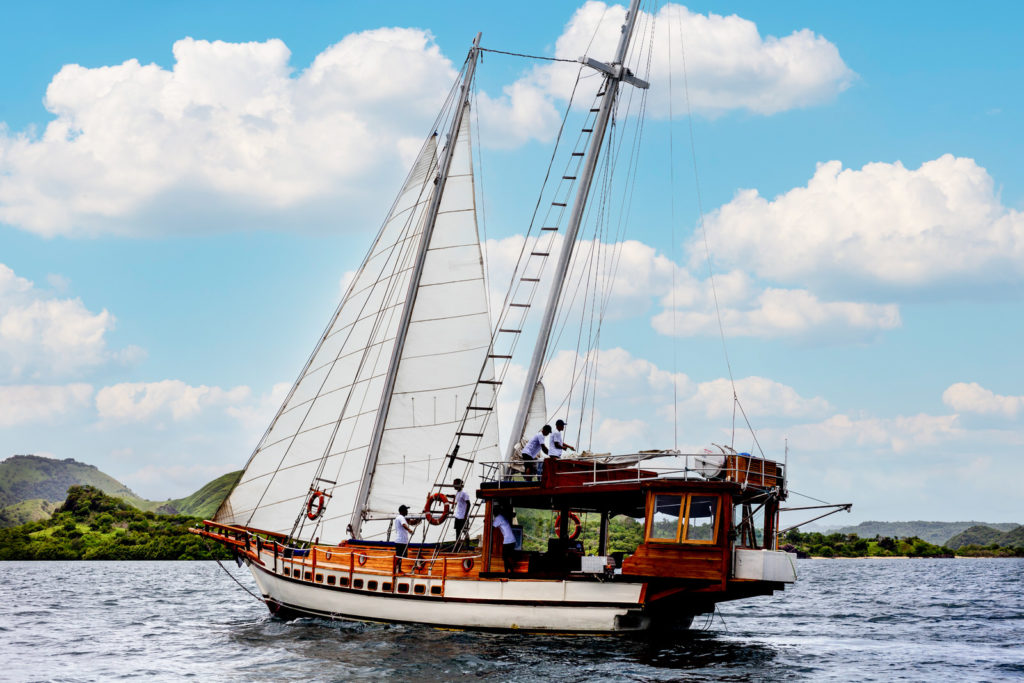
    Komodo liveaboard

    A private charter reserves the entire yacht for one group. Guests generally have greater control over meals, activities, pace, cabin allocation, and daily priorities. This option works particularly well for families, groups of friends, celebrations, photographers, and dedicated diving parties.

    A shared voyage sells individual cabins on a fixed departure. It can provide access to the same region at a lower total cost, but dates, routes, and daily schedules are predetermined.

    A private Banda Sea yacht charter may be the better choice when guests want to:

    • Spend more time at selected dive sites
    • Include cultural or historical visits
    • Adjust activities for children or non-divers
    • Celebrate a honeymoon or milestone
    • Charter multiple cabins for a private group
    • Customize meals and onboard services

    Both options can deliver a memorable Spice island expedition, but the private format provides greater control over how the available days are used.

    When Should You Travel?

    Seasonality matters when deciding how to reach Banda Islands and when to schedule the yacht.

    The Yacht Club Indonesia presents November and December as a preferred period for its Spice Islands itineraries, citing calmer seas and favorable sailing and diving conditions. Exact operating windows may differ by vessel, weather pattern, and repositioning schedule, so travelers should confirm availability before purchasing domestic flights.

    Because Banda voyages operate within relatively specific seasonal periods, the yacht should normally be confirmed before booking non-refundable travel.

    How Far in Advance Should You Book?

    For a multi-stage journey, planning six to twelve months ahead provides more choice, particularly for larger groups requiring a particular yacht size or cabin configuration.

    A practical booking sequence is:

    1. Select preferred travel dates.
    2. Confirm the number of guests and cabins.
    3. Choose the yacht and itinerary.
    4. Pay the required charter deposit.
    5. Book international flights.
    6. Book domestic flights to Ambon.
    7. Add an arrival buffer night.
    8. Confirm transfers and embarkation instructions.

    Avoid purchasing restrictive domestic tickets before the yacht’s departure date and port have been finalized.

    Frequently Asked Questions

    Can you fly directly to the Banda Islands?

    Small regional air services may operate to Banda Neira, but schedules and reliability can vary. Most private yacht guests use Ambon as the gateway and embark from an Ambon-area harbor.

    Is Ambon or Banda Neira the better embarkation point?

    Ambon generally provides stronger flight connectivity and easier charter logistics. Banda Neira may work for selected itineraries, but guests should confirm the exact embarkation point with their yacht operator.

    How many days are recommended for a Banda Islands yacht trip?

    Eight days can cover several principal islands, while ten to twelve days provide more time for diving, cultural visits, remote anchorages, and schedule flexibility.

    Should flights or the yacht be booked first?

    Confirm the yacht first. Charter availability, seasonal positioning, embarkation ports, and itinerary dates should determine which domestic flights and hotel nights you purchase.

    Final Planning Advice

    The most dependable approach is to fly through a major Indonesian gateway, continue to Ambon, stay overnight, and use a pre-arranged transfer to the yacht. This route reduces unnecessary uncertainty while allowing the sailing experience to begin from the moment guests leave Ambon.

    Understanding how to reach the Banda Islands is not simply about finding the shortest transport connection. It is about coordinating flights, transfers, seasonal conditions, and the right yacht so that the journey across the historic Banda Sea becomes an essential part of the experience.
  • Lembongan Beach Villas for Australians: The Easy Island Escape from Bali

    Lembongan Beach Villas for Australians: The Easy Island Escape from Bali

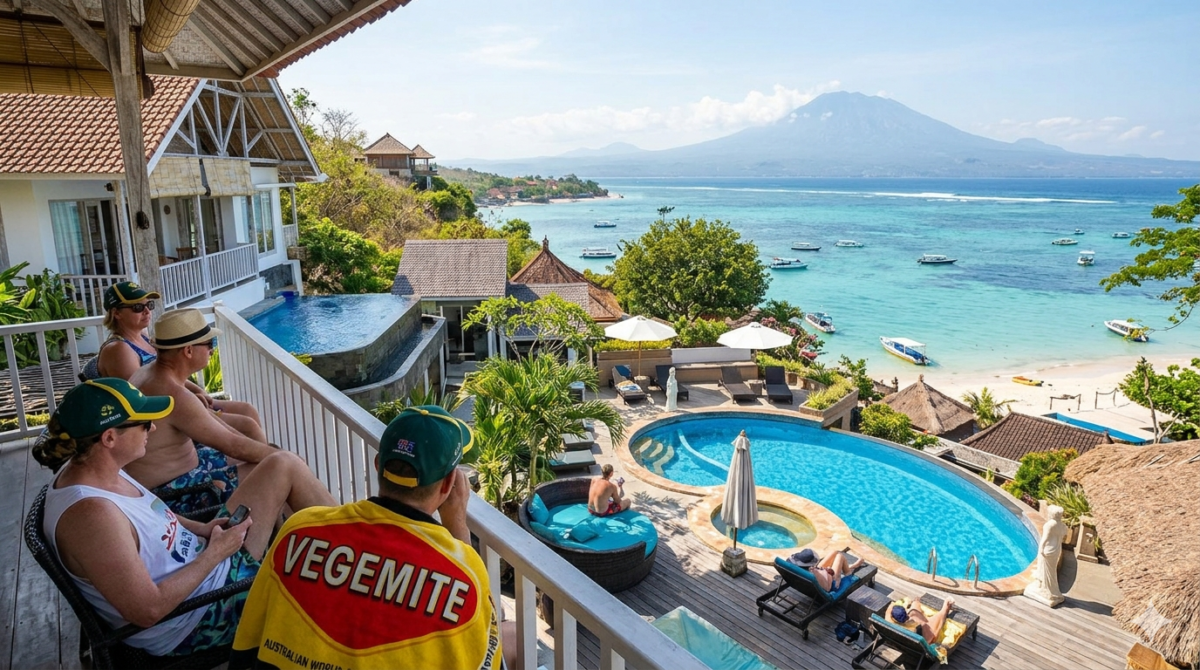
    Lembongan beach villas for Australians have become a natural choice for travellers who want a short island escape without going too far from Bali. For Australian and New Zealand visitors, Nusa Lembongan offers the right balance of easy boat access, beachside accommodation, family-friendly stays, private villas, and relaxed island holidays.

    Why Do Australian Travellers Love Nusa Lembongan?

    Nusa Lembongan feels close, simple, and different enough to make a Bali holiday feel fresh again. Many Australian travellers already know Bali well, but after a few days in Seminyak, Canggu, Ubud, or Sanur, they often want somewhere slower, smaller, and more beach-focused.

    That is where Lembongan stands out. The island has no heavy traffic, a laid-back coastal rhythm, and a strong holiday feeling from the moment visitors arrive. It is suitable for couples, families, groups of friends, surfers, divers, and travellers who want ocean views without the busier pace of mainland Bali.

    For New Zealand travellers, the appeal is similar. Lembongan offers warm weather, clear water, and a tropical island setting that feels easy to include in a wider Bali itinerary.

    Why Lembongan Is Easy to Reach from Bali

    One of the biggest reasons travellers choose Nusa Lembongan is convenience. The island is commonly reached by fast boat from Sanur, with some crossings taking around 30 minutes depending on the operator, schedule, and sea conditions. This makes it realistic for a short break, long weekend, or add-on stay after a few nights in Bali.

    A Nusa Lembongan boat transfer can usually be arranged with hotel pickup, luggage support, and onward coordination on arrival. Travellers who want more flexibility can also arrange a private boat to Nusa Lembongan, especially for families, groups, or guests with tight schedules.

    This easy access is one reason why Lembongan works so well for Australians. It feels like a true island escape, but it does not require a complicated flight connection or long travel day.

    Best Accommodation Style for a Short Island Escape

    Choosing the right stay is one of the most important parts of the trip. Many travellers look for Nusa Lembongan accommodation that is close to the beach, restaurants, boat arrival points, and swimming spots. Others prefer quieter hillside villas with views across the channel.

    The best place to stay in Nusa Lembongan depends on the style of holiday. Families may prefer practical layouts, multiple bedrooms, pools, kitchens, and easy beach access. Couples may prefer a boutique villa in Nusa Lembongan with sunset views. Groups may search for a villa for rent Nusa Lembongan that gives everyone space to relax together.

    For curated options, explore Lembongan beach villas for Australians to compare stays that suit beach holidays, family trips, and private island escapes.

    Why Villas Work So Well for Families

    Families from Australia and New Zealand often prefer villas because they offer more freedom than a standard hotel room. A private pool, living area, kitchen, and multiple bedrooms can make the holiday easier, especially for parents travelling with children.

    Nusa Lembongan family accommodation is also useful for multi-generational travel. Grandparents, parents, and children can stay together while still having enough private space. This makes the island ideal for school holidays, birthdays, reunions, and relaxed family getaways.

    Travellers searching for villas in Lembongan Island often want comfort, location, and support. Trusted accommodation help matters because the logistics on the island can feel different from those on mainland Bali. Having someone assist with transfers, villa matching, check-in details, and local recommendations can make the stay smoother.

    Beachside Holidays with Room to Breathe

    The island is known for its coastal lifestyle. Jungutbatu, Mushroom Bay, Tamarind Bay, and Sandy Bay each offer a different mood, from relaxed beachfront dining to sunset drinks and quiet villa stays.

    Lembongan beach villas are especially attractive for travellers who want to wake up near the ocean, walk to breakfast, swim during the day, and enjoy the sunset without needing long transport. Some guests prefer a villa stay in Nusa Lembongan, Bali, with views, while others want direct access to casual beach cafes and island activities.

    The best villa in Nusa Lembongan is about more than luxury. It is about matching the guest’s holiday style. For some, that means a modern pool villa. For others, it means a relaxed beach house close to the sand.

    What Can Travellers Do on Nusa Lembongan?

    Nusa Lembongan is small, but it offers plenty to fill a short holiday. Snorkeling in Nusa Lembongan is one of the most popular activities, with boat trips often visiting clear-water sites around Lembongan, Ceningan, and nearby Penida waters. Travellers can also book a Nusa Lembongan snorkeling tour for a guided experience.

    For ocean lovers, Nusa Lembongan diving and surfing in Nusa Lembongan add another layer to the trip. Experienced surfers often look for a Nusa Lembongan surf spot depending on the swell, while divers enjoy access to reefs, drift sites, and seasonal marine encounters.

    The island is also good for wellness and simple routines. Visitors can find yoga, a gym, and spa treatments in Nusa Lembongan for slower holiday days. Many travellers also ask about the best spa in Nusa Lembongan for a recovery afternoon after time in the sun.

    Food, Bars, and Island Evenings

    Food is another reason Australians enjoy Lembongan. The island has casual beachfront venues, seafood spots, cafes, sunset bars, and relaxed restaurants suitable for families and groups.

    Lembongan island restaurants range from simple local warungs to stylish dining spots. Travellers often search for the best places to eat in Nusa Lembongan, the best food in Nusa Lembongan, and the best lunch in Nusa Lembongan before they arrive. This is helpful because planning a few meals in advance can make a short stay feel more relaxed.

    For evenings, the best bars in Nusa Lembongan often mean sunset views, cocktails, live music, or a casual drink by the water. The nightlife is not as intense as mainland Bali, which is part of the island’s charm.

    Is Lembongan Good for Weddings and Special Trips?

    Yes. A Nusa Lembongan wedding can feel intimate, tropical, and easier to manage than a larger destination event. Villas are useful for wedding groups because guests can stay close together, enjoy private gatherings, and combine the event with a beach holiday.

    Some travellers also compare Lembongan beach villas resort options with private villas, depending on guest numbers and the level of service needed. Others look at Lembongan island beach villas for a more coastal celebration.

    For guests wanting to extend their trip, accommodation on Ceningan Island can also be considered, especially for travellers who want a quieter island feel nearby.

    Final Thoughts

    Nusa Lembongan remains one of the easiest island escapes from Bali for Australian and New Zealand travellers. It is close enough for a short break, relaxed enough for families, and beautiful enough for beachside holidays, villas, surfing, snorkeling, diving, weddings, and wellness-focused stays.

    That is why Lembongan beach villas continue to be such a strong fit for Australians. They offer comfort, space, a convenient location, and trusted local support in a destination that feels peaceful yet easy to reach. For travellers who want access to Bali with a softer island rhythm, Nusa Lembongan is one of the best choices.

  • Komodo Liveaboard in Rainy Season: Is It a Mistake?

    Komodo Liveaboard in Rainy Season: Is It a Mistake?

    Planning a Komodo Liveaboard between December and March, and wondering if it’s a bad idea? You’re not alone. The rainy season in Komodo National Park raises many questions: rough seas, cancelled dives, cloudy skies. But is it actually a mistake?

    The short answer: not necessarily. For budget-conscious travelers and last-minute planners, the rainy season can actually offer surprising advantages if you know what to expect.

    Let’s break it down realistically.

    What is the rainy season in Komodo?

    The rainy season typically runs from December through March, with January and February being the wettest months.

    Important to understand:

    • It does not rain all day, every day.
    • Showers are often short and tropical.
    • The weather can shift quickly.

    Many travelers imagine constant storms. In reality, you’ll often get sunny mornings followed by passing afternoon showers.

    Read Also Can Komodo Tour Package Operators Help Protect Labuan Bajo’s Marine Views from Excessive Jetties?

    Realistic Sea Conditions (What Nobody Sugarcoats)

    The west monsoon winds influence sea conditions during the rainy season.

    Here’s what that means:

    • Northern routes may experience more wind exposure.
    • Some crossings can be bumpier than the peak dry season.
    • Visibility may drop slightly after heavy rain.
    • Currents remain strong (this doesn’t change seasonally).

    However:

    • Professional crews adjust routes daily.
    • Boats rarely cancel unless safety demands it.
    • Modern vessels are designed for these conditions.

    If you’re prone to seasickness, bring medication. But for most guests, the experience remains comfortable.

    This is especially true on a well-operated Komodo Liveaboard, where captains adapt itineraries to prioritize safety and dive quality.

    What Changes in the Itinerary?

    Rainy season doesn’t mean “less Komodo.” It just means flexibility.

    Possible changes include:

    • Adjusting from North to Central sites
    • Swapping exposed dive sites for sheltered reefs
    • Modifying sunset hike timing
    • Shortening long open-water crossings

    Instead of sticking rigidly to one route, captains may explore:

    • More protected bays
    • Alternative manta cleaning stations
    • Less crowded reef systems

    This adaptability can create a more personalised experience than fixed peak-season schedules.

    The Big Advantage: Fewer Crowds

    Here’s where the rainy season shines.

    Between December and March:

    • Fewer boats operate
    • Dive sites feel quieter
    • Viewpoints like Padar Island are less crowded
    • Beaches feel more exclusive

    If you’re comparing a rainy-season liveaboard to a standard Komodo boat tour, the difference in crowd levels is dramatic.

    Less competition at dive sites means:

    • Longer, more relaxed dives
    • Better wildlife encounters
    • Cleaner photo opportunities

    For photographers and serious divers, this is a huge plus.

    Better Manta Ray Encounters?

    Many divers don’t realise this: manta sightings often improve during the rainy season.

    Why?

    • Plankton increases with seasonal changes.
    • Nutrient-rich waters attract feeding mantas.
    • Cleaning stations remain active.

    December to February can be excellent for manta encounters — sometimes even better than dry season months.

    If your dream Komodo trip includes manta rays, the rainy season may actually work in your favor.

    Pricing & Availability Benefits

    The rainy season is attractive for:

    • Budget-conscious travelers
    • Last-minute planners
    • Flexible remote workers

    You’ll often find:

    • Promotional pricing
    • More cabin availability
    • Easier booking windows
    • Potential upgrades

    Compared to peak-season komodo yacht charter pricing, rainy season rates can be significantly lower while delivering similar dive quality.

    For travelers planning a broader Indonesia journey, combining a Flores tour before boarding this season offers better logistical flexibility as well.

    Is It Safe to go during the rainy season?

    Safety standards remain consistent year-round.

    What matters more than season:

    • Crew experience
    • Boat maintenance
    • Safety equipment
    • Dive briefings
    • Oxygen availability
    • Weather monitoring systems

    A professionally operated Komodo Liveaboard will always prioritize safety over schedule.

    Storm forecasts are monitored daily, and itineraries are adjusted accordingly.

    Who Should Go During the Rainy Season?

    The rainy season is ideal if you:

    • Want fewer crowds
    • Prefer better pricing
    • Have flexible travel dates
    • Don’t mind occasional tropical showers
    • Care more about diving than perfect Instagram skies

    It may not be ideal if:

    • You are extremely prone to seasickness
    • You require perfectly calm seas
    • You want guaranteed blue-sky photography daily

    But for many travelers, it’s far from a mistake.

    Rainy Season vs Dry Season: Quick Comparison

    FactorRainy Season (Dec–Mar)Dry Season
    CrowdsLowHigh
    PricingLowerPremium
    Sea ConditionsVariableMore stable
    Manta SightingsExcellentVery good
    AvailabilityFlexibleLimited

    Final Verdict: Is It a Mistake?

    No — it’s a strategic choice.

    The rainy season in Komodo is not about compromise. It’s about trade-offs.

    You exchange:

    • Perfectly calm seas

    For:

    • Fewer boats
    • Better pricing
    • Strong manta activity
    • Greater flexibility

    If you approach it with realistic expectations, the experience can be equally unforgettable.

    Before booking any Komodo tour, always ask operators about seasonal route adjustments and weather contingency plans.

    Because the truth is, Komodo’s underwater world doesn’t shut down when the rain starts.

    It simply becomes quieter.

  • Can Komodo Tour Package Operators Help Protect Labuan Bajo’s Marine Views from Excessive Jetties?

    Can Komodo Tour Package Operators Help Protect Labuan Bajo’s Marine Views from Excessive Jetties?

    Labuan Bajo’s popularity as the gateway to Komodo Island has spiked in recent years, thanks to its status as a National Tourism Strategic Area and a hub for Komodo tour package offerings that combine wildlife encounters with marine adventures. However, as more hotels and private operators build jetties and coastal infrastructure to cater to visitors, local authorities and community advocates are questioning whether these developments are compromising the area’s scenic marine views, a key draw for visitors booking Komodo liveaboard cruises, Komodo boat tour experiences, and broader Flores tour itineraries.

    In this context, Komodo tour package operators have a unique opportunity to promote sustainable coastal planning that preserves the very aesthetics that make these packages attractive in the first place.

    The Rise of Coastal Infrastructure and Aesthetic Concerns

    Labuan Bajo’s rapid transformation from a fishing port to a tourism powerhouse has driven accelerated infrastructure development, including hotels, docks, and marinas to support an influx of international travellers. While this expansion attracts investment and boosts local revenue, it also raises legitimate concerns about overtourism and environmental impact. Excessive private jetties, for example, may disrupt public coastal access and detract from the natural beauty guests expect when booking a Komodo tour package.

    Visual pollution along the shoreline beachfront structures, piers jutting into the sea, and poorly coordinated boat facilities can diminish a visitor’s experience long before they reach the iconic sights of Komodo Island or embark on a Komodo liveaboard adventure. This visual fragmentation also stands in contrast to Labuan Bajo’s designation in national tourism strategies that emphasise sustainable development and the preservation of scenic values.

    Tour Operators as Steward Advocates

    Tourism operators serving guests on Komodo tour packages are uniquely positioned to champion coastal protection. Many companies rely on the region’s natural beauty, clear waters, dramatic seascapes, and unspoiled vistas to sell experiences such as daily snorkeling excursions, diving cruises, and Komodo boat tours. By advocating for planning practices that limit haphazard jetty construction and ensure visually sensitive infrastructure design, operators can protect their business’s long‑term prospects while strengthening their environmental credentials.

    This advocacy can take tangible forms:

    • Industry Partnerships for Scenic Guidelines: Local operators can collaborate to develop voluntary standards for dock and jetty aesthetics that align with regional planning policies and tourism branding. Doing so helps ensure that facilities enhance, rather than intrude upon, coastal views.
    • Community Engagement Initiatives: Operators can facilitate forums where residents, business owners, and authorities discuss coastal development concerns and promote solutions that balance economic and aesthetic interests.
    • Sustainable Tour Messaging: By integrating environmental stewardship into marketing materials, tour guides, and boarding protocols, companies can raise visitor awareness about responsible enjoyment of marine environments.

    Boosting Conservation Through Responsible Tourism

    Responsible tourism frameworks increasingly recognize that protecting scenery is not just cosmetic, it’s economical. Clean, attractive marine vistas directly contribute to longer stays, repeat bookings, and positive travel reviews, all of which are critical for Komodo liveaboard operators and Komodo tour package providers. This aligns with broader national goals that position areas like Labuan Bajo as super‑priority tourist regions under development plans.

    Moreover, sustainable coastal planning strengthens the appeal of growth sectors such as Flores tour offerings and diving cruises that explore healthy reef systems and vibrant marine biodiversity. A visible commitment to environmental protection can also help differentiate locally rooted operators from unscrupulous agents or unlicensed activities, which have at times raised safety and ecological concerns in the region.

    Actionable Steps for Operators and Partners

    At the bottom of the funnel, where travelers decide which Komodo experience to book, environmental leadership can become a competitive advantage. Hello Flores, for example, is among the local services that highlight responsible travel options and community engagement as part of its booking and experience design, ensuring that tourism growth supports both ecological integrity and visitor satisfaction.

    Tour operators and local stakeholders can push for municipal regulations that:

    • Incentivize aesthetic design standards for coastal developments.
    • Restrict construction that blocks public views or limits access.
    • Promote shared dock facilities rather than fragmented private jetties.
    • Integrate scenic protection measures into maritime development plans.

    By doing so, the tourism sector not only preserves the beauty that draws travelers but also protects the long‑term viability of Komodo tour packages, Komodo liveaboard, and Komodo boat tour experiences that depend on unspoiled seascapes.

  • Top Reasons Divers Choose Fenides Liveaboard for Their Indonesia Adventure

    Top Reasons Divers Choose Fenides Liveaboard for Their Indonesia Adventure

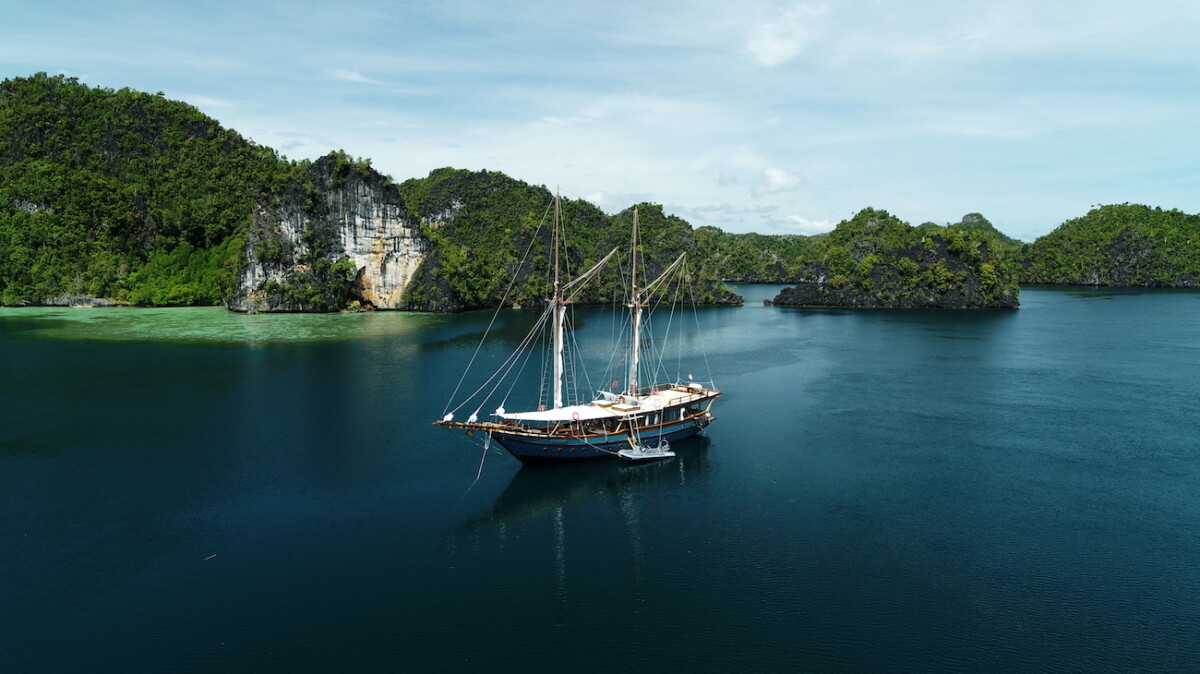
    Indonesia is home to some of the world’s most extraordinary dive sites, such as Raja Ampat, Komodo, the Banda Sea, and beyond. For divers who want to experience these marine wonders in both comfort and style, Fenides Liveaboard has become a top choice. This luxury phinisi yacht blends traditional craftsmanship with modern amenities, offering guests more than just diving; it provides a full-scale adventure at sea.

    Here are the top reasons why divers choose Fenides Liveaboard for their Indonesia journey.

    1. Spacious Luxury with Fewer Guests Onboard

    One of the standout features of Fenides Liveaboard is its exclusivity. With just five cabins, the yacht accommodates around 10 to 11 guests at a time. This limited capacity ensures a more intimate atmosphere, far from the crowded feel of larger liveaboards. Divers enjoy personalized attention, more space in common areas, and the freedom to relax without competing for comfort. For those seeking privacy and exclusivity, Fenides is the perfect fit.

    2. Curated Dive Itineraries Across Iconic Destinations

    Indonesia’s marine biodiversity is second to none, and Fenides Liveaboard takes guests directly to the heart of it. The yacht offers curated itineraries through world-class destinations such as:

    • Raja Ampat – Known as the global epicentre of marine biodiversity, home to vibrant coral reefs and over 1,300 species of fish.
    • Komodo National Park – Famous for thrilling currents, manta rays, sharks, and dramatic underwater landscapes.
    • The Banda Sea – Renowned for its hammerhead shark encounters and untouched dive sites.
    • Alor and Halmahera – Remote regions where divers can enjoy rich marine life with minimal crowds.

    Each trip is designed to maximize underwater exploration while leaving time for relaxation, land excursions, and even water sports like kayaking or paddleboarding.

    3. Unlimited Adventure with Nitrox Included

    For experienced divers, Nitrox (enriched air) is a major benefit. Fenides Liveaboard includes Nitrox in its dive packages, allowing guests to extend bottom times, shorten surface intervals, and reduce fatigue. With multiple dives offered each day, including dawn and night dives, having Nitrox available ensures divers can fully enjoy the rich underwater offerings of Indonesia while maintaining safety and energy levels.

    4. High Crew-to-Guest Ratio for Personalized Service

    Service is where Fenides truly shines. The yacht operates with a high crew-to-guest ratio, meaning every detail of your trip is carefully managed. From dive guides and chefs to cabin attendants and boat tenders, the team ensures that all needs are met promptly and professionally. Divers benefit from attentive dive briefings, assistance with gear, and seamless logistics between sites. Outside the water, guests enjoy curated dining experiences, comfortable cabin service, and expert guidance for excursions.

    5. Comfort Beyond Diving: Cabins, Lounges, and Dining

    While diving is the main attraction, Fenides makes sure that life onboard is equally memorable. The cabins are spacious, air-conditioned, and equipped with en-suite bathrooms, creating a boutique hotel feel at sea. Common areas include a stylish indoor lounge with media facilities, open-air dining spaces, and sun decks perfect for stargazing after a long day of diving. Meals are crafted by skilled chefs, often blending Western favorites with Indonesian flavors, ensuring every dining experience is a highlight.

    6. Dedicated Space for Photographers

    Underwater photographers will find Fenides particularly appealing. The yacht provides a dedicated camera and editing room, complete with charging stations and workspace. With such a high level of biodiversity in Indonesia’s waters, ranging from pygmy seahorses to whale sharks, having a professional setup onboard makes capturing the perfect shot easier and more enjoyable.

    7. Beyond Diving: Surfing, Kayaking, and Island Adventures

    Fenides isn’t just about scuba diving. Guests often enjoy additional activities such as surfing in remote Indonesian breaks, kayaking through calm lagoons, or exploring uninhabited islands. Beach barbecues, cultural excursions, and yoga sessions can also be part of the itinerary. This variety makes the liveaboard appealing to divers traveling with non-diving partners or those who want a balance between underwater exploration and topside adventure.

    8. Eco-Conscious and Sustainable Voyages

    As luxury as Fenides is, it also emphasizes sustainability. By supporting marine park fees and promoting responsible tourism practices, the yacht contributes to the preservation of Indonesia’s fragile ecosystems. Divers can feel confident knowing their adventure supports conservation while they explore the world’s most biodiverse waters.

    The Perfect Blend of Diving and Luxury

    Choosing Fenides Liveaboard means more than booking a dive trip it’s opting for an immersive adventure that blends luxury, exclusivity, and world-class service. With Nitrox included, fewer guests onboard, curated itineraries, and a dedicated crew, divers can focus on what matters most: exploring Indonesia’s spectacular underwater world. For those planning their next dive holiday, Fenides offers the perfect balance of adventure and indulgence.

  • The Appeal of Mute Retreats in a Noisy World

    The Appeal of Mute Retreats in a Noisy World

    In today’s hyper-connected, noisy world, mute retreats are emerging as a powerful antidote to sensory overload. These silent travel experiences, such as Japan’s tranquil forest walking tours or meditation retreats in remote Bhutan, offer a unique escape. They prioritize mental health, mindfulness, and a deeper connection with oneself and nature, appealing to those seeking respite from constant stimulation.

    Why Mute Retreats Are Gaining Popularity

    The modern world bombards us with notifications, urban noise, and an endless stream of digital chatter. Mute retreats counter this by offering silence as a luxury. Silent walking tours in Japan’s ancient forests, rooted in shinrin-yoku (forest bathing), encourage participants to immerse themselves in nature without speaking a word. Similarly, Bhutan’s secluded meditation retreats draw travelers to its serene monasteries. These experiences cater to a growing demand for wellness-focused travel, with studies showing that silence can reduce stress, lower cortisol levels, and improve focus.

    Mental Health Benefits of Silent Travel

    Silent retreats provide profound mental health benefits. By stepping away from noise, participants report enhanced clarity and emotional resilience. Research from the University of Sussex suggests that silence boosts brain cell regeneration in the hippocampus, aiding memory and emotional regulation. In Japan, silent forest walks promote mindfulness, helping travelers combat anxiety. Bhutan’s retreats, often guided by Buddhist monks, foster introspection, offering tools to manage stress long after the trip ends.

    Unique Appeal of Mute Retreats

    What sets mute retreats apart is their immersive, distraction-free environments. In Japan, silent walks through cedar forests, such as Yakushima’s Shiratani Unsuikyo, engage the senses without verbal interruption. Bhutan’s retreats, nestled in the Himalayas, blend spiritual teachings with solitude, appealing to those seeking purpose. These destinations attract diverse travelers—solo adventurers, burnt-out professionals, and spiritual seekers—united by a desire for peace. The absence of chatter fosters a rare connection to the present moment.

    How to Choose the Right Mute Retreat

    Selecting a mute retreat depends on personal goals. Japan’s forest tours cater to nature lovers, offering guided or self-guided options that last from a few hours to several days. Bhutan’s retreats, often multi-day, require a commitment to silence and meditation, making them ideal for those seeking spiritual growth and personal transformation. Research reputable organizers, check retreat durations, and consider accessibility. Bhutan’s remote locations may require more planning. Most retreats enforce strict no-device policies, ensuring an authentic experience.

    The Future of Silent Travel

    As mental health awareness grows, mute retreats are poised to expand. Destinations like Iceland and New Zealand are developing silent hiking trails, while wellness centres in Europe offer urban silent retreats. This trend reflects a broader shift toward intentional, restorative travel. By embracing silence, travelers find a powerful way to reconnect with themselves in a noisy world.

    Silent retreats, whether in Japan’s forests or Bhutan’s mountains, offer a sanctuary for the mind. Their rise signals a cultural pivot toward valuing quiet, proving that sometimes, the most profound experiences are found in silence.

  • Fishing Fee Controversy in Komodo National Park: Labuan Bajo Tour Operators Voice Opposition

    Fishing Fee Controversy in Komodo National Park: Labuan Bajo Tour Operators Voice Opposition

    Tourism operators in Labuan Bajo have voiced strong objections to the Komodo National Park authorities’ newly introduced fishing fee of IDR 5 million. The fee applies to fishing activities within the park’s waters. It has sparked heated debates, with many stakeholders arguing that the regulation is poorly conceived and harmful to the local economy. Suppose you’re thinking about going on a tour to Labuan Bajo. In that case, this debate brings up important worries about how affordable and accessible the main attractions in the area are.

    The fee was introduced to enhance environmental conservation and regulate fishing in Komodo National Park, a UNESCO World Heritage Site recognized for its biodiversity and marine life. Authorities claim the measure is necessary to mitigate overfishing, which threatens the ecosystem. However, tourism operators believe the policy needs more fairness and proper consultation, leaving them blindsided by its implementation.

    Impact on Labuan Bajo Tourism

    Labuan Bajo, located on Flores Island, is the primary gateway to Komodo National Park. The area’s economy heavily relies on tourism, including fishing excursions, liveaboard trips, and other marine-based activities. With the introduction of the IDR 5 million fee, operators fear a significant decline in tourist interest in fishing tours, which are among the most popular activities for visitors. Those embarking on a tour to Labuan Bajo may now reconsider certain activities due to the increased costs.

    “This regulation is not realistic for us,” said one local operator. “Fishing tours are an integral part of what attracts tourists to Labuan Bajo. Such high fees will discourage visitors and make it harder for us to compete with other destinations.”

    Small-scale tourism operators are particularly concerned, as many depend on affordable, accessible fishing tours to sustain their businesses. They argue that the fee could disproportionately affect them, driving up prices and alienating budget-conscious travelers. The impact could extend to other offerings, such as a sailing trip to Labuan Bajo, which often includes fishing activities as part of the itinerary.

    Also, read Traditional Fishing Lessons During Your Komodo Tour

    Calls for Dialogue and Revisions

    In response to the fee, tourism operators have urged the government and park authorities to reconsider the policy. Many have suggested alternative solutions, such as implementing stricter fishing guidelines or introducing lower permit fees that support conservation efforts without jeopardizing livelihoods.

    Stakeholders have also criticized the need for more transparency and consultation during the policy’s development. “We were not informed or involved in discussions before this decision was made,” said a representative from the local tourism association. “Conservation is important, but it must be done in a way that supports sustainable tourism and involves those who are directly impacted.”

    Government’s Stance

    Officials defending the regulation argue that stricter control of overfishing is essential to protect the marine ecosystem, a cornerstone of Komodo National Park’s appeal. The park features colorful underwater coral reefs and a variety of fish, attracting many visitors. However, it also faces challenges from illegal fishing activities. Authorities believe the new fee will help reduce pressure on the ecosystem while generating funds for conservation projects.

    However, critics argue that conservation goals can be achieved through more collaborative and inclusive measures. Stakeholders suggest enhancing oversight of fishing practices, implementing educational initiatives for tourists, and enforcing penalties for illegal fishing activities. They believe these measures are preferable to blanket fees that could negatively affect tourism in the region.

    Seeking a Compromise

    Discussions between local tourism operators, park authorities, and government representatives are ongoing. Both sides aim to find a balanced solution that ensures environmental preservation while supporting the economic well-being of Labuan Bajo’s community. Komodo Island, a central attraction for travelers, remains at the heart of these discussions. The controversy also affects Komodo liveaboard experiences, which rely heavily on inclusive access to the park’s waters.

    This controversy underscores the difficulty of balancing conservation efforts with tourism growth in Labuan Bajo. In this region, livelihoods and natural heritage are closely connected. If you’re thinking about a tour to Labuan Bajo, the results of these talks will be very important in influencing future travel experiences.

  • How To Stay Active When You Are Not Motivated

    How To Stay Active When You Are Not Motivated

    It is important to stay active so your immune system is always in its prime shape. That way, your body will not be vulnerable to germs, viruses, and bacteria. Staying active is also one of the most effective ways to maintain mental health. However, there are times when you don’t want to do anything. Lack of motivation to move makes you feel burdened to do your workout routines. 

    Staying active when your mental health at the lowest

    It is perfectly normal to feel like you don’t want to do anything especially when your mental health is not at its best condition. However, it won’t make you feel better by putting a stop to your workout routine entirely. In fact, it may worsen your mood because you keep those toxic hormones piling up. 

    Set small, achievable goals

    When you are not at your best either physical or mentally, try not to push yourself too hard to maintain your workout routines. Instead, you can aim small, achievable goals. For example, you usually do a workout routine for 30 minutes straight every day. Now, you can do it for 15 minutes instead. It’s much better than stopping your workout routines at all. 

    Read More

    Take it easy

    When you feel like it’s hard to getting up and doing your routines, give yourself permission to put all hardcore routines to rest and opt for moderate ones. Consider doing something simple but still impactful to your body. For example, instead of running 10 km just you usually do, you can switch to swimming, yoga, or walking. Those are great activities to do when you are on low-energy days. 

    Find something to motivate you

    Finding motivation can be in a form of remembering why you want to stay active in the first place. It could be something that keep you going when nothing else will. You might have specific goals or reasons why you do your routines every day. Make it as your motivation to stay active even when you don’t feel like it. 

    Give yourself credit

    Be more respectful to yourself by giving yourself credit for each time you get moving. It gives you a sense of accomplishment which can help you keep going day by day. You can track your progress and reward yourself for even small successes. You can treat activities during your low-energy days as ways for your body restore its energy for tomorrow. 

  • Explore the Haunting Beauty of Bali’s Abandoned Taman Festival

    Explore the Haunting Beauty of Bali’s Abandoned Taman Festival

    Exploring Bali often brings to mind luxury hotels, waterfalls, trendy cafes, and lush green rice fields. However, just north of Sanur, in southern Bali, lies an unexpected sight: an abandoned theme park overtaken by the jungle. Taman Festival, which closed over 20 years ago, now stands as an eerie site with derelict buildings covered in street art. Nature has begun reclaiming the park, and graffiti artists have left their marks. The park remains relatively undiscovered by tourists and is considered cursed by locals. During our visit, we encountered only a few people.

    The History of Taman Festival Bali

    Taman Festival opened in 1997, featuring Bali’s largest swimming pool, a 3D theatre, and a laser show with a budget of over 5 million dollars. The total construction cost reached around 100 million dollars. However, the theme park soon faced challenges. On March 13th, a lightning strike hit the laser show, leading locals to believe the park was cursed. Combined with Indonesia’s economic crisis, visitor numbers plummeted. The owner struggled financially and, after a significant legal dispute over land usage, closed the park permanently. Nature has since reclaimed the area, and locals and travelers share stories of demons, crocodiles, and giant bats rumored to inhabit the site. Today, it offers a unique adventure for explorers.

    How to Get to Taman Festival

    From Bali airport, Taman Festival is about a 30-minute drive. If you stay near the airport on your last night, it makes for a worthwhile stop. It’s also convenient if you’re heading to Nusa Lembongan by boat, as the park is north of Sanur, where the boats depart. At the entrance, some individuals might request 20,000 IDR (€1.20) per person. Although this is not an official fee, paying this small amount can help avoid any hassle.

    Read more

    Finding Accommodations for Your Trip to Taman Festival

    When planning your visit to Taman Festival, choosing the right accommodation is crucial for a comfortable and enjoyable experience. Bali offers many options, from luxury resorts to cozy homestays, ensuring you find a place that suits your preferences and budget. Additionally, exploring Bali property for sale could be exciting if you’re considering a more permanent stay.

    Many travelers opt to stay in Sanur or nearby areas to maintain proximity to Taman Festival. Sanur provides a relaxing atmosphere with its beachfront hotels, charming cafes, and local markets. Staying here not only gives you easy access to Taman Festival but also allows you to enjoy Sanur’s laid-back vibe.

    For those looking to extend their stay or even relocate, the idea of buying property in Bali is increasingly appealing. Whether you’re interested in a vacation home, an investment property, or a permanent residence, the Bali property market offers diverse options. From stunning villas with ocean views to serene homes nestled in the lush countryside, there is a property in Bali to buy that meets various needs and tastes.

    Why Consider Buying Bali Property?

    Investing in Bali property can be both a lifestyle choice and a financial decision. The island’s growing popularity among tourists and expatriates has led to a booming real estate market. Buying Bali property allows you to immerse yourself in the island’s culture, enjoy its natural beauty, and potentially generate rental income from tourists. Moreover, owning property in Bali provides a unique opportunity to have a personal retreat in one of the world’s most sought-after destinations.

    Navigating the process of buying property in Bali involves understanding local regulations and seeking reliable guidance. It’s essential to work with reputable real estate agents who can help you find the perfect property and navigate the legalities involved in the purchase. When looking to buy property in Bali, consider factors such as location, property type, and long-term investment potential.

    Enjoying Your Stay

    Whether you’re visiting Taman Festival for a short adventure or contemplating a long-term stay, Bali’s charm and allure are undeniable. By carefully selecting your accommodations and exploring the possibilities of owning property, you can enhance your experience and make the most of your time on this enchanting island.

  • Exploring The World Through Solo Travel Groups

    Exploring The World Through Solo Travel Groups

    Lots of travelers are more interested in joining solo travel groups. Watching the sunrise with a group of newfound friends or enjoying bustling markets with fellow adventurers must be fun. Of course, traveling solo is rewarding. However, consider joining a solo travel group to experience something different. You are still traveling solo but with a bunch of fellow solo travelers. 

    New experiences from joining solo travel groups

    There are many ways to explore the world, and the options are endless, but one of the best ways is through solo travel groups. There are many benefits to this.

    Ensure your safety

    Traveling solo can be dangerous, especially when you travel to a place with high risk in its safety. Travelling in groups offers more safety as there are always people around watching your back. They can assist when you need it as well. Navigating unfamiliar paths and dealing with unforeseen issues become more reassuring when you have companions.

    Share meaningful experience

    Your travel experience will be much more meaningful when you have people to share it with, especially when they understand precisely what you feel. It just makes the experience ten times better. 

    Also read: Travel Hacks: 15 Tips to Make Your Journey Stress-Free

    Navigate language barriers

    You may visit a place where English is not widely spoken, making you unable to maximize your interaction with the locals. Joining a solo travel group, you are likely to encounter someone fluent in the local language and help deal with language barriers. Linguistic diversity is one of the most valuable benefits you can get from a solo travel group. It opens the door to better communication and enriches your travel experience to the next level. 

    Cut down travel expenses.

    Traveling solo can be costly because you have to pay for everything yourself. However, joining a solo travel group will likely cut down some of your travel expenses because it often brings about discounts on meals, accommodation, and activities. 

    Choose the right solo travel group.

    To know which solo travel group to join, you must know what you want from this adventure. Only then will you find the one that makes you feel comfortable and safe? You can also consider the size of the group. Pick a smaller group if you prefer a more personalized experience. Choose a bigger group if you look forward to an inclusive environment from meeting diverse people.