Category: Indonesia Travel

  • Behind the Scenes of Diving Safety 1000: Training for a Safer Raja Ampat Diving Industry

    Behind the Scenes of Diving Safety 1000: Training for a Safer Raja Ampat Diving Industry

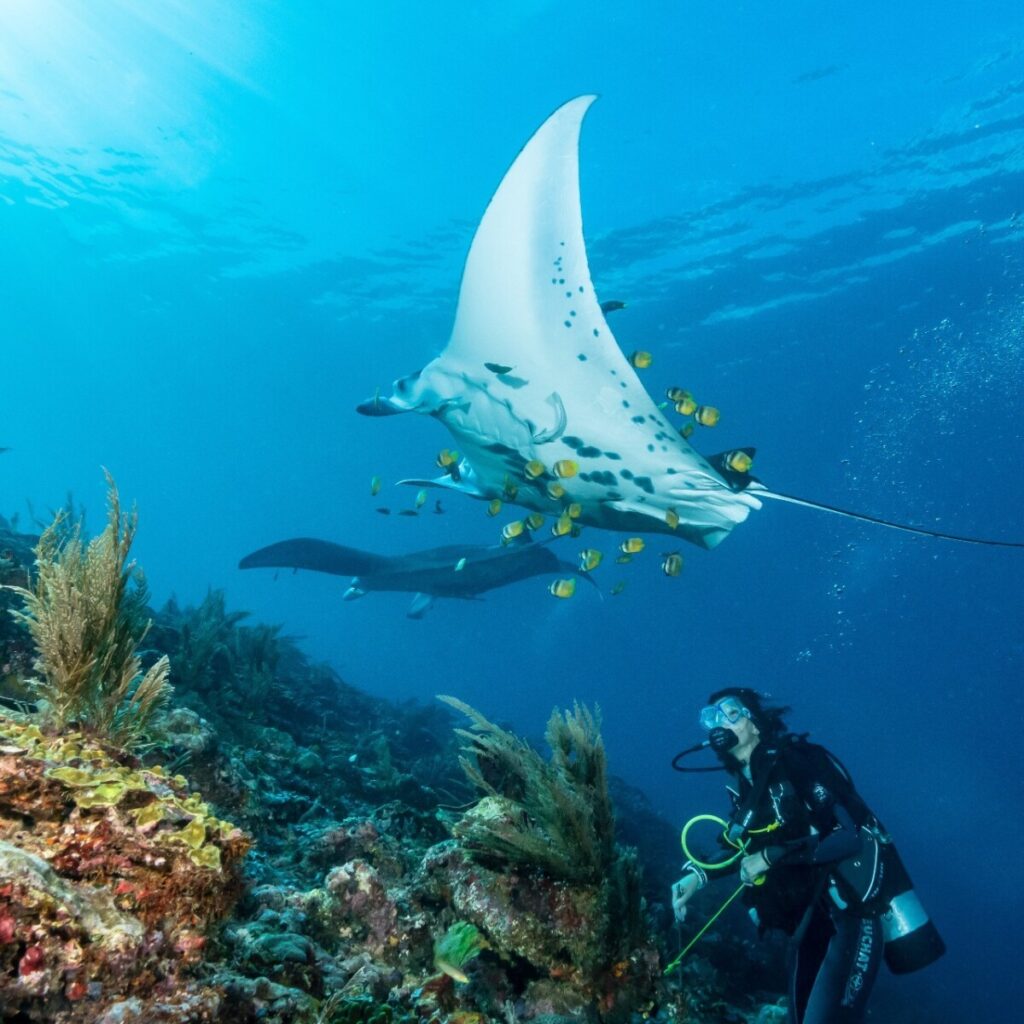
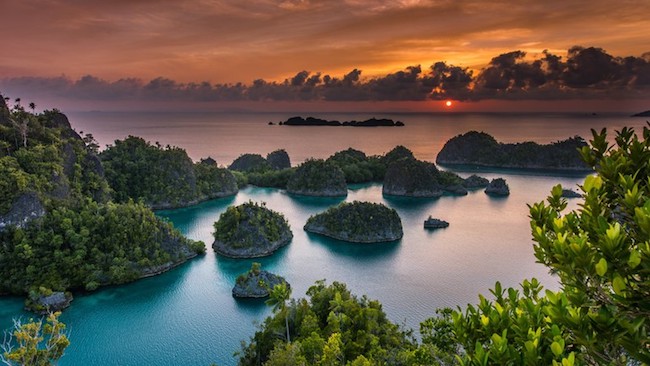
    The pristine waters of Raja Ampat, Indonesia, are a diver’s paradise, renowned for their vibrant coral reefs and unparalleled marine biodiversity. However, the growing popularity of Raja Ampat diving demands robust safety measures to protect both divers and this delicate ecosystem. The Diving Safety 1000 Initiatives, held from August 4-6, 2025, in Raja Ampat, marked a pivotal step toward ensuring safer diving practices. Organized by the Indonesian Ministry of Tourism in collaboration with Divers Alert Network (DAN) and the Professional Association of Diving Instructors (PADI), this three-day event offered intensive training to enhance dive safety standards. This article delves into the training programs, their real-world applications, and their transformative impact on the local dive industry, drawing insights from participants and trainers.

    The Core of Diving Safety 1000: Training Programs Unveiled

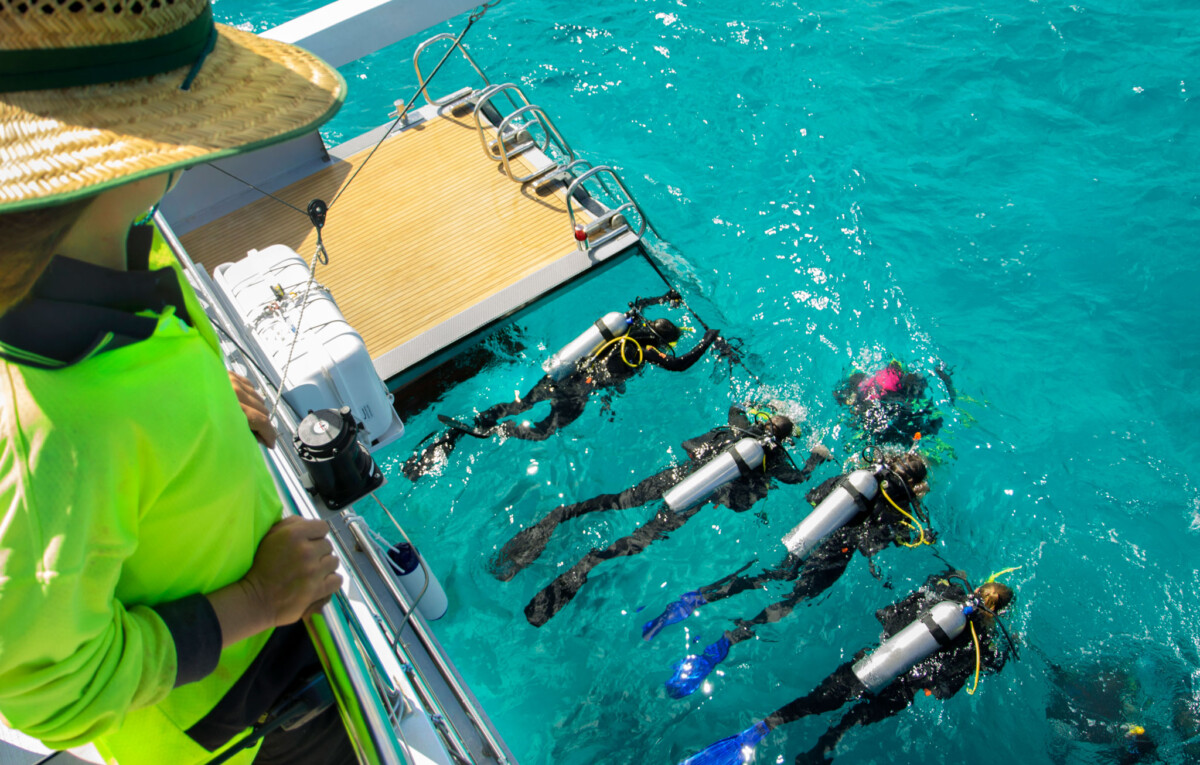
    The Diving Safety 1000 Initiatives focused on equipping dive professionals with skills to mitigate risks and respond effectively to emergencies. The training encompassed three key areas: risk management, emergency response, and international safety protocols. Risk management sessions taught participants to identify potential hazards, such as equipment failures or environmental challenges, before they escalate. Trainers emphasized proactive measures, like thorough pre-dive checks and dive site assessments, to prevent incidents. Emergency response training covered critical skills, including administering oxygen, first aid, and managing decompression illness, ensuring divers could act swiftly in crises. International safety protocols, aligned with PADI and DAN standards, provided a framework for maintaining consistency in safety practices across global dive destinations.

    A trainer from PADI, I Made Putra, shared, “Our goal was to empower local operators with tools to handle real-world scenarios. Raja Ampat diving is world-class, but safety must match that standard.” The hands-on workshops simulated real dive emergencies, allowing participants to practice techniques in controlled settings, reinforcing their confidence and preparedness.

    Also read Join an Open Trip to Labuan Bajo & Stay in Wae Rebo’s Stunning Traditional Houses!

    Real-World Applications: Enhancing Raja Ampat Diving Safety

    The skills taught during Diving Safety 1000 have direct applications in Raja Ampat’s unique diving environment. Known for its strong currents and remote dive sites, Raja Ampat diving requires meticulous planning and rapid response capabilities. For instance, risk management training enables dive operators to assess currents and weather conditions, ensuring safer dive planning. Emergency response skills are vital in remote areas where medical facilities are limited. Participants learned to use portable oxygen kits and coordinate evacuations, reducing response times in critical situations.

    One participant, a local dive guide named Sari, highlighted the practical impact: “Before this training, I wasn’t confident handling emergencies like decompression sickness. Now, I know how to stabilize a diver and get help fast.” These skills not only protect divers but also enhance the reputation of Raja Ampat diving as a safe destination, attracting more visitors and supporting sustainable tourism.

    Local Involvement: BLUD UPTD’s Role in Dive Safety

    The involvement of local organizations, such as BLUD UPTD Pengelolaan Kawasan Konservasi di Perairan Kepulauan Raja Ampat, was instrumental in the event’s success. BLUD UPTD sent six representatives to the training and facilitated the use of Dolphin Cottage’s aula in Waisai as the primary venue. This collaboration underscores the commitment to building a competent and professional dive industry in Raja Ampat. By integrating local stakeholders, the initiative ensured that training was tailored to the region’s specific needs, such as navigating its complex marine conservation zones.

    A BLUD UPTD representative noted, “Our participation in Diving Safety 1000 shows our dedication to making Raja Ampat a global leader in safe and sustainable diving.” This synergy between local and international partners fosters a unified approach to dive safety, benefiting both operators and the marine ecosystem.

    Impact on Local Dive Operators: A Path to Professionalism

    The training’s impact on local dive operators is profound. By adopting international safety standards, operators can elevate their services, making Raja Ampat diving more competitive on the global stage. The program also addressed the need for consistent training across dive centers, reducing variability in safety practices. Operators who participated reported increased confidence in handling diverse diving scenarios, from guiding novice divers to managing advanced expeditions in challenging conditions.

    Moreover, the initiative supports economic growth by empowering local dive professionals. As Raja Ampat diving grows in popularity, trained operators can attract more tourists, boosting local businesses and employment. The program’s emphasis on sustainability ensures that safety measures align with conservation goals, preserving Raja Ampat’s marine biodiversity for future generations.

    Looking Ahead: A Safer Future for Raja Ampat Diving

    The Diving Safety 1000 Initiatives have set a precedent for dive safety in Indonesia, with Raja Ampat leading the way. By equipping local operators with world-class training, the program strengthens Indonesia’s position as a premier diving destination. Plans to expand similar initiatives to other regions, such as Bali and Komodo, are already underway, promising a nationwide impact. For divers, this means greater confidence in exploring Indonesia’s underwater wonders, knowing that safety is prioritized.

    For dive professionals, instructors, and aspiring divers, the Diving Safety 1000 training offers a blueprint for excellence. It emphasizes the importance of continuous learning and adherence to global standards, ensuring that Raja Ampat diving remains synonymous with safety and professionalism. As one trainer aptly put it, “Safe divers are happy divers, and that’s what keeps Raja Ampat thriving.”

    In conclusion, the Diving Safety 1000 Initiatives represent a milestone in transforming Raja Ampat diving into a safer, more sustainable industry. Through rigorous training, local collaboration, and a commitment to international standards, this program paves the way for a brighter future for Indonesia’s dive tourism.

  • Fishing Fee Controversy in Komodo National Park: Labuan Bajo Tour Operators Voice Opposition

    Fishing Fee Controversy in Komodo National Park: Labuan Bajo Tour Operators Voice Opposition

    Tourism operators in Labuan Bajo have voiced strong objections to the Komodo National Park authorities’ newly introduced fishing fee of IDR 5 million. The fee applies to fishing activities within the park’s waters. It has sparked heated debates, with many stakeholders arguing that the regulation is poorly conceived and harmful to the local economy. Suppose you’re thinking about going on a tour to Labuan Bajo. In that case, this debate brings up important worries about how affordable and accessible the main attractions in the area are.

    The fee was introduced to enhance environmental conservation and regulate fishing in Komodo National Park, a UNESCO World Heritage Site recognized for its biodiversity and marine life. Authorities claim the measure is necessary to mitigate overfishing, which threatens the ecosystem. However, tourism operators believe the policy needs more fairness and proper consultation, leaving them blindsided by its implementation.

    Impact on Labuan Bajo Tourism

    Labuan Bajo, located on Flores Island, is the primary gateway to Komodo National Park. The area’s economy heavily relies on tourism, including fishing excursions, liveaboard trips, and other marine-based activities. With the introduction of the IDR 5 million fee, operators fear a significant decline in tourist interest in fishing tours, which are among the most popular activities for visitors. Those embarking on a tour to Labuan Bajo may now reconsider certain activities due to the increased costs.

    “This regulation is not realistic for us,” said one local operator. “Fishing tours are an integral part of what attracts tourists to Labuan Bajo. Such high fees will discourage visitors and make it harder for us to compete with other destinations.”

    Small-scale tourism operators are particularly concerned, as many depend on affordable, accessible fishing tours to sustain their businesses. They argue that the fee could disproportionately affect them, driving up prices and alienating budget-conscious travelers. The impact could extend to other offerings, such as a sailing trip to Labuan Bajo, which often includes fishing activities as part of the itinerary.

    Also, read Traditional Fishing Lessons During Your Komodo Tour

    Calls for Dialogue and Revisions

    In response to the fee, tourism operators have urged the government and park authorities to reconsider the policy. Many have suggested alternative solutions, such as implementing stricter fishing guidelines or introducing lower permit fees that support conservation efforts without jeopardizing livelihoods.

    Stakeholders have also criticized the need for more transparency and consultation during the policy’s development. “We were not informed or involved in discussions before this decision was made,” said a representative from the local tourism association. “Conservation is important, but it must be done in a way that supports sustainable tourism and involves those who are directly impacted.”

    Government’s Stance

    Officials defending the regulation argue that stricter control of overfishing is essential to protect the marine ecosystem, a cornerstone of Komodo National Park’s appeal. The park features colorful underwater coral reefs and a variety of fish, attracting many visitors. However, it also faces challenges from illegal fishing activities. Authorities believe the new fee will help reduce pressure on the ecosystem while generating funds for conservation projects.

    However, critics argue that conservation goals can be achieved through more collaborative and inclusive measures. Stakeholders suggest enhancing oversight of fishing practices, implementing educational initiatives for tourists, and enforcing penalties for illegal fishing activities. They believe these measures are preferable to blanket fees that could negatively affect tourism in the region.

    Seeking a Compromise

    Discussions between local tourism operators, park authorities, and government representatives are ongoing. Both sides aim to find a balanced solution that ensures environmental preservation while supporting the economic well-being of Labuan Bajo’s community. Komodo Island, a central attraction for travelers, remains at the heart of these discussions. The controversy also affects Komodo liveaboard experiences, which rely heavily on inclusive access to the park’s waters.

    This controversy underscores the difficulty of balancing conservation efforts with tourism growth in Labuan Bajo. In this region, livelihoods and natural heritage are closely connected. If you’re thinking about a tour to Labuan Bajo, the results of these talks will be very important in influencing future travel experiences.

  • Labuan Bajo Trip: More Than Just Komodo Dragons

    Labuan Bajo Trip: More Than Just Komodo Dragons

    Labuan Bajo, a stunning town on the western tip of Flores Island in Indonesia, has become synonymous with one awe-inspiring creature: the Komodo dragon. While encountering these prehistoric giants is undoubtedly a highlight of any Labuan Bajo trip, the region boasts a treasure trove of experiences waiting to be discovered. Labuan Bajo offers something for every kind of traveler, from volcanic landscapes and pristine beaches to vibrant coral reefs and rich cultural heritage.

    Unveiling the Wonders Beyond the Dragons

    Island Hopping Adventures

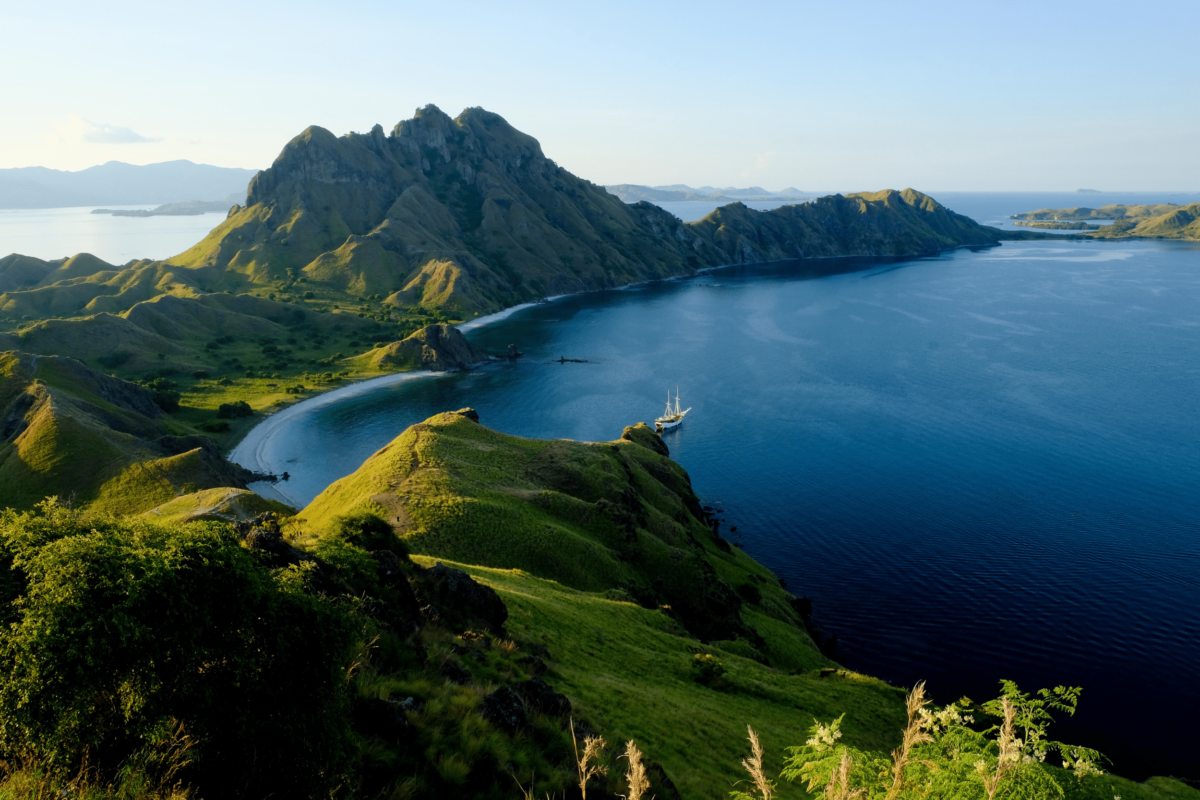
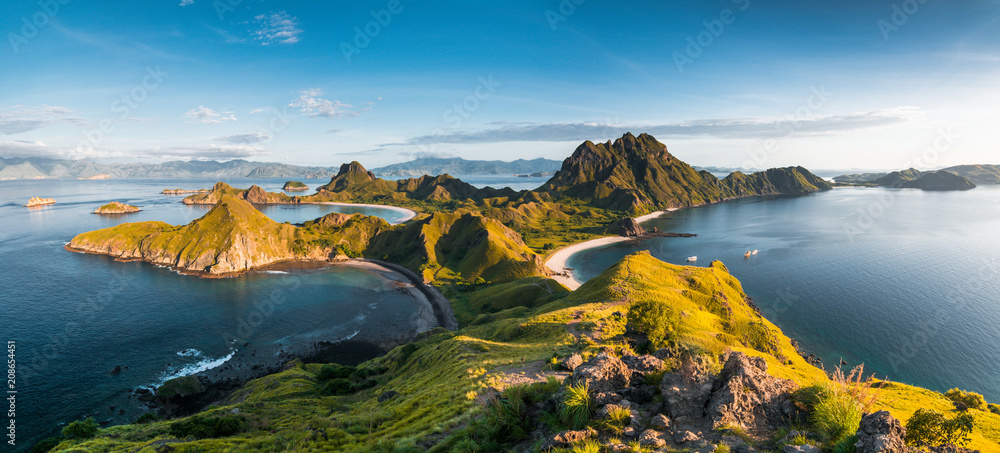
    A Labuan Bajo trip would only be complete with exploring the archipelago’s breathtaking islands. Embark on a sailing trip to Labuan Bajo, weaving between emerald islets and dramatic volcanic formations. Padar Island beckons with its iconic three bays offering panoramic vistas. At the same time, the delicate pink sands of Pink Beach on Komodo Island itself are a sight to behold. Kanawa Island provides a tranquil haven with crystal-clear turquoise waters, perfect for snorkelling amongst colourful coral reefs teeming with marine life.

    Trekking and Hiking

    Lace-up your boots and explore the diverse landscapes surrounding Labuan Bajo. The ascent to the peak of Kelor Island rewards you with a breathtaking 360-degree panoramic of the surrounding islands and the azure expanse of the ocean. For a more challenging hike, tackle the slopes of Mount Poco, an extinct volcano offering stunning panoramas and a glimpse into the island’s unique flora and fauna.

    Snorkeling and Diving Paradise

    Labuan Bajo boasts some of Indonesia’s most spectacular coral reefs, teeming with a kaleidoscope of marine life. Manta Point is a world-renowned diving spot where graceful manta rays glide effortlessly through the crystal-clear waters. Taka Makassar, a remote sandbar, offers incredible snorkeling opportunities amidst vibrant coral gardens and playful schools of tropical fish. Explore the underwater world at your own pace, or join a guided snorkeling or diving tour for a truly unforgettable experience.

    snorkeling and diving at Labuan Bajo trip

    Also read: Traditional Fishing Lessons During Your Komodo Tour

    Unveiling the Local Charm

    Labuan Bajo Town

    Labuan Bajo offers a vibrant charm beyond the gateway to Komodo National Park. Explore the lively harbour, where traditional fishing boats bob gently on the turquoise waters. Walk along the waterfront promenade, immersing in the stunning sunsets and enjoying fresh seafood at local restaurants. Immerse yourself in the local culture by browsing the colorful markets brimming with handcrafted souvenirs and local textiles.

    Cultural Encounters

    A private trip to Labuan Bajo allows you to delve deeper into the region’s rich cultural tapestry. Visit the traditional villages of Manggarai, where locals still follow their ancestral customs. Witness the intricate ikat weaving techniques passed down through generations and admire the beautifully crafted textiles. Learn about the unique beliefs and traditions of the Manggarai people, gaining a deeper appreciation for their way of life.

    Planning Your Dream Labuan Bajo Trip

    Choosing Your Adventure

    With such diverse activities, planning your Labuan Bajo trip can be an exciting adventure. Decide whether you prefer a fast-paced exploration or a more relaxed itinerary. Consider your interests, fitness level, and travel style when choosing your activities.

    Finding the Perfect Tour

    For a hassle-free experience, opt for a pre-packaged Labuan Bajo tour package. Many tour operators offer various itineraries catering to different interests and budgets. For a more personalized experience, consider a private trip to Labuan Bajo. This allows you to tailor the itinerary to your desires, ensuring an unforgettable adventure.

    Essential Considerations

    Be sure to consider the best time to visit Labuan Bajo. The dry season (April to October) offers sunny skies and calm seas, while the wet season (November to March) boasts lush greenery and fewer crowds. Pack light, breathable clothing, comfortable shoes for exploring, and reef-safe sunscreen for snorkeling and diving activities. Remember a camera to capture the stunning scenery and unique encounters on your Labuan Bajo trip.

    A Once-in-a-Lifetime Experience Awaits:

    A Labuan Bajo trip promises an adventure beyond encountering the prehistoric Komodo dragons. From exploring diverse landscapes and vibrant coral reefs to experiencing the rich local culture, Labuan Bajo offers an unforgettable journey for every traveler. So, bring your bags, adopt the spirit of adventure, and prepare to find the hidden wonders that await you in this appealing corner of Indonesia.

  • Uncover Merapi’s Beauty: Volcano Tourism

    Uncover Merapi’s Beauty: Volcano Tourism

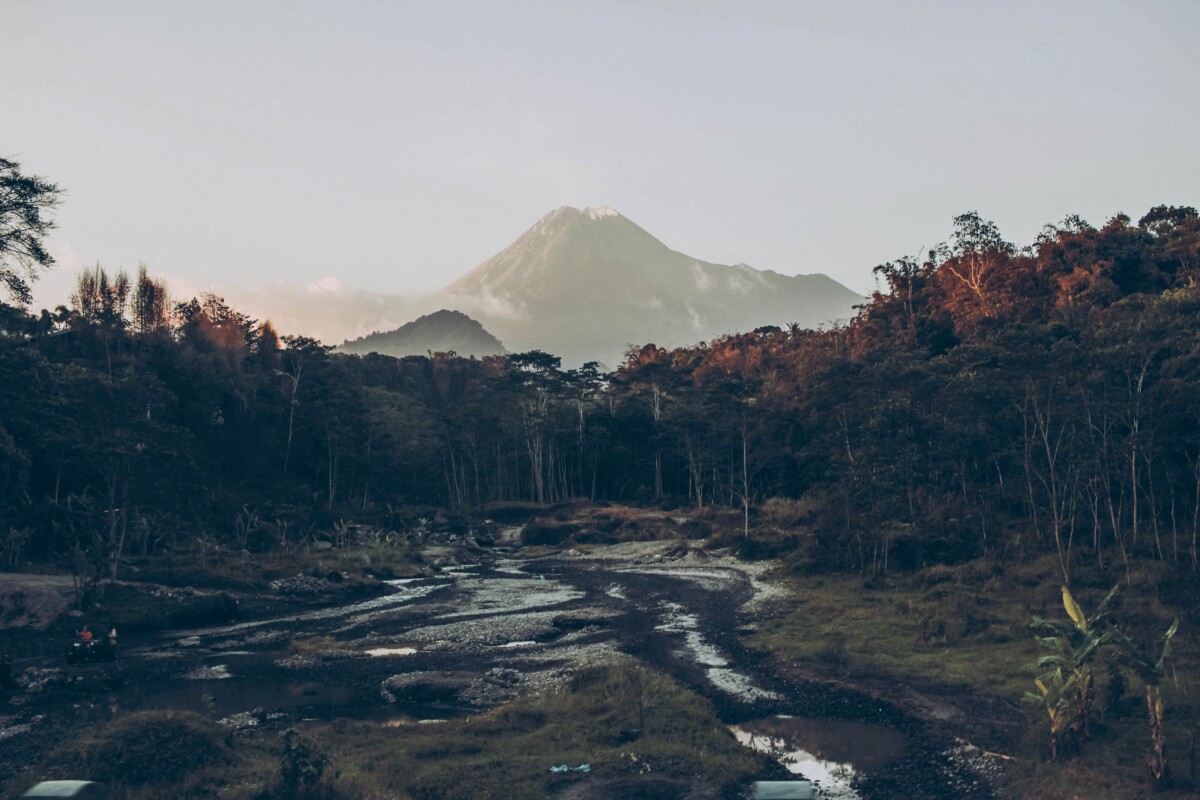
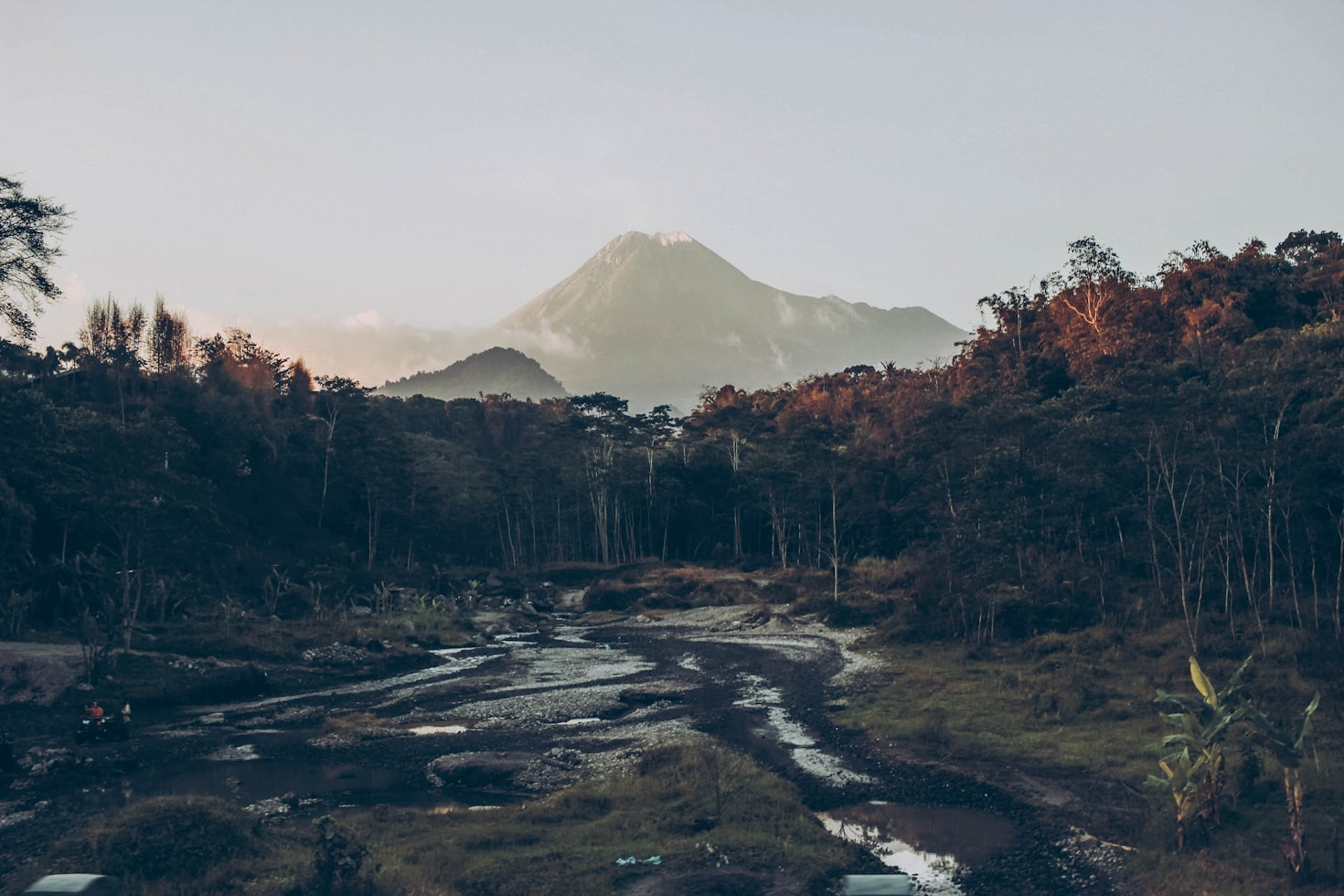
    A valley near Merapi

    The majestic Merapi volcano on the Indonesian island of Java stands as an iconic symbol of the earth’s raw power and beauty. With its awe-inspiring eruptions and fertile landscapes, Merapi attracts tourists and adventurers from all over the globe.  

    This article will take you on an exciting journey to explore the majestic and awe-inspiring sights this iconic volcano offers. From its rich geological history to the vibrant cultural experiences surrounding it, Merapi stands as a testament to the beauty and power of nature.

    Merapi Volcano Tourism: A Geologic Wonder

    Merapi, situated in Indonesia, is one of the world’s most active and formidable volcanoes. Known for its frequent eruptions, the volcano has shaped the landscape of Central Java over thousands of years. The region surrounding Merapi offers breathtaking views of lush valleys and terraced fields, with the volcano dominating the horizon.

    Volcano tourism has recently gained popularity among adventurous travelers and nature enthusiasts. People from all over the globe flock to witness the beauty and dynamism of volcanic landscapes, and Merapi is a prime destination for this unique experience.

    Merapi’s allure extends beyond its geological wonders. The surrounding communities have developed a deep-rooted culture that revolves around the volcano. Engaging with the local communities offers a chance to learn about their customs, traditions, and spiritual beliefs tied to Merapi.

    Merapi also holds an important place in Javanese mythology, with many captivating legends associated with its eruptions and formation. Locals believe that the volcano’s spirit must be respected and appeased, making offerings and ceremonies a common sight.

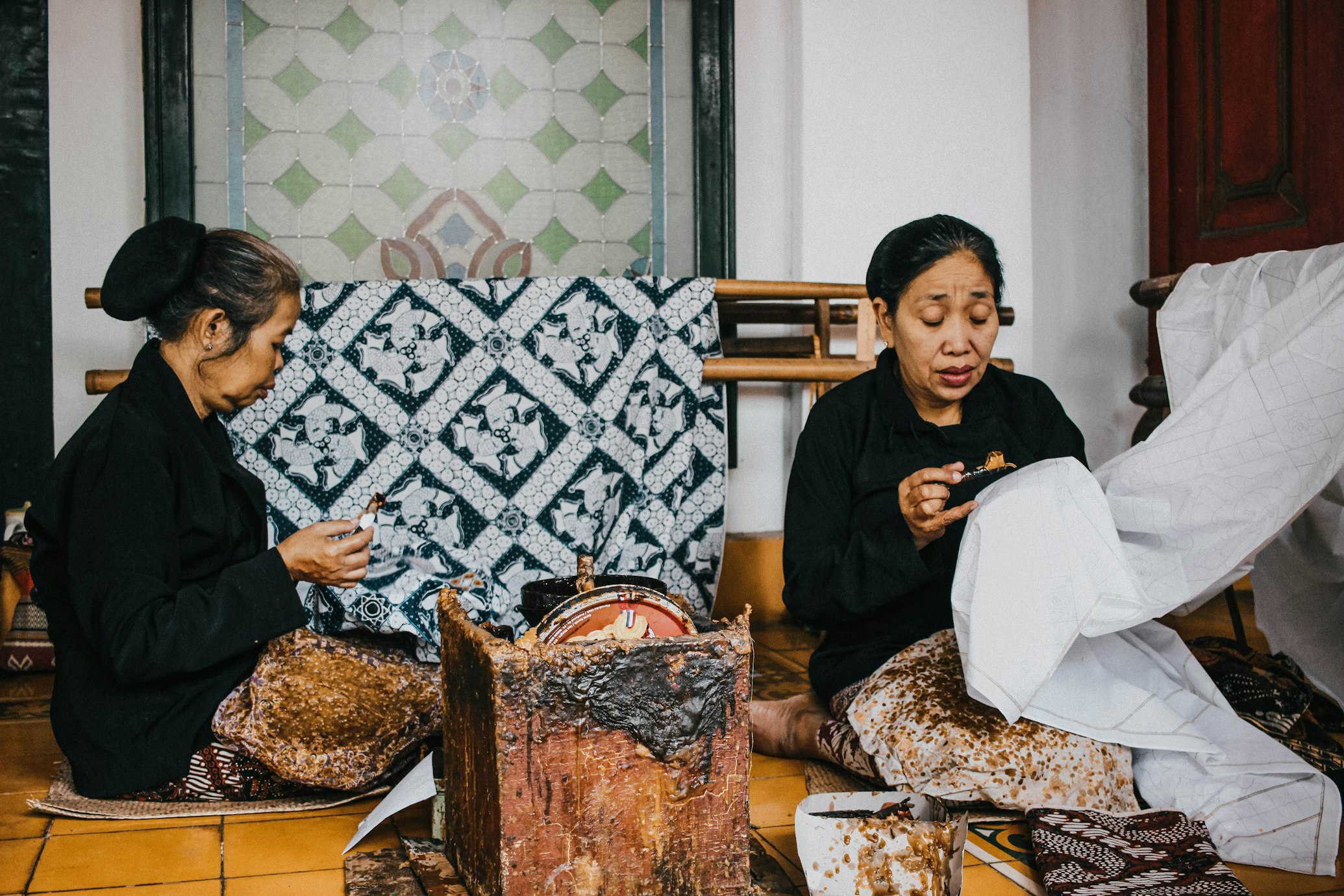
    The people living around Merapi are renowned for their exceptional craftsmanship. Traditional art forms, such as batik and wood carving, thrive in the region, providing visitors with a chance to take home unique souvenirs that reflect the local culture.

    two ladies doing batik

    A visit to Merapi wouldn’t be complete without indulging in the delectable local cuisine. Traditional Javanese dishes, bursting with flavors and aromatic spices, leave an everlasting impression on visitors’ taste buds.

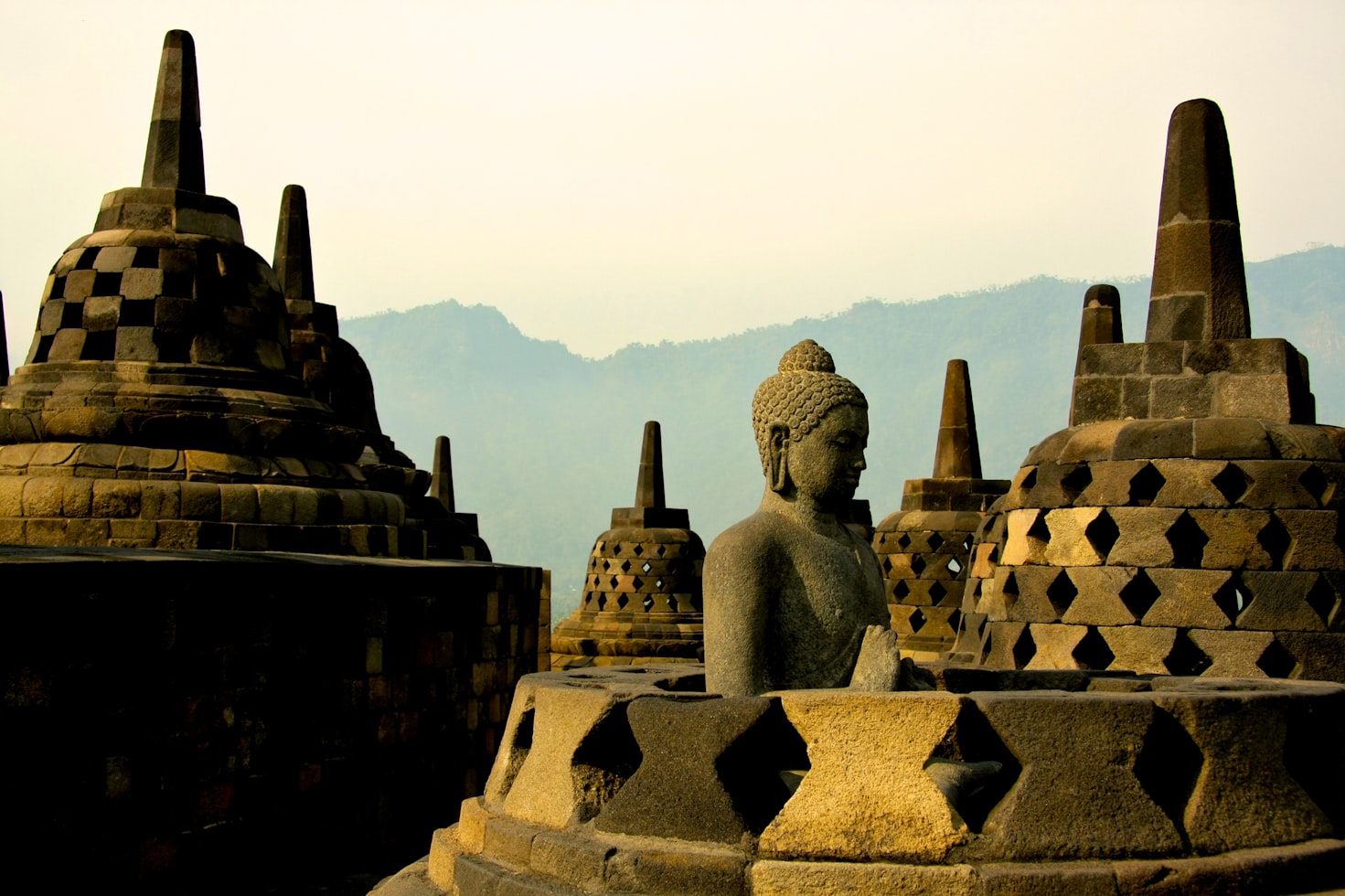
    A short distance from Merapi lies the magnificent Borobudur Temple, a UNESCO World Heritage Site. This ancient Buddhist temple is an architectural marvel and offers an unforgettable glimpse into Indonesia’s rich history.

    Borobudur temple near Merapi

    Also Read:

    Preparing for Your Journey

    Now that you’re captivated by the allure of Merapi, it’s essential to prepare for your journey properly.

    Choosing the Right Time to Visit

    Due to Merapi’s unpredictable nature, planning your trip requires careful consideration. Make sure to check for any activity alerts issued by local authorities to ensure your safety during the visit.

    Accommodation Options

    The region offers a variety of accommodation options, ranging from luxurious resorts to budget-friendly guesthouses. Choose accommodation that suits your preferences and budget, ensuring a comfortable and enjoyable stay.

    Guided Tours

    For a truly immersive experience, consider opting for guided tours led by experienced locals. These tours provide valuable insights into the region’s culture, history, and geology, making your journey all the more enriching.

    Safety Precautions

    As with any adventure, safety should always be a top priority. Follow the instructions of your guides, avoid prohibited areas, and be well-prepared for any weather conditions.

    Conclusion

    Merapi’s beauty is a sight to behold, and volcano tourism offers a unique and unforgettable experience for travelers seeking both adventure and cultural enrichment. From witnessing its awe-inspiring eruptions to immersing yourself in the rich local culture, Merapi promises to leave you with cherished memories that last a lifetime.

    So, what are you waiting for? Embark on this journey of a lifetime and uncover the hidden beauty of Merapi, the volcanic wonder of Indonesia.

  • Experience Ultimate Paradise in Bali with Luxury Villas

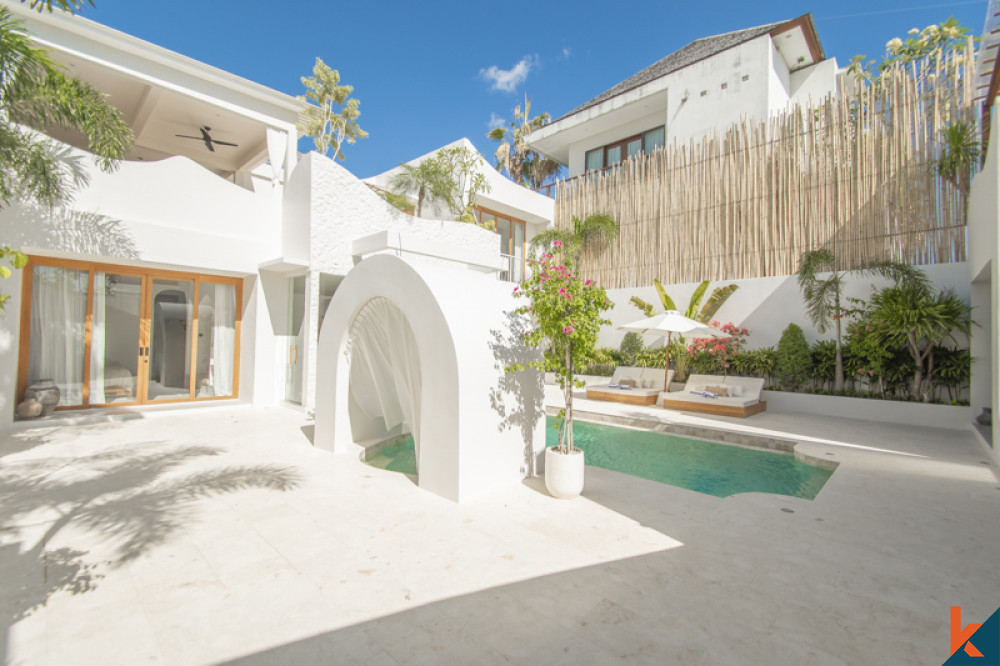
    Bali luxury villas for sale

    Bali, often referred to as the “Island of the Gods,” is a magical paradise nestled in the heart of Indonesia. It’s a destination renowned for its stunning beaches, vibrant culture, and picturesque landscapes. 

    While Bali has a wealth of accommodations, nothing compares to the extravagance and exclusivity of luxury villas. In this article, we’ll take you on a journey to explore the world of Bali luxury villas and provide you with the ultimate guide to experiencing unparalleled luxury and serenity.

    Bali Luxury Villas: Where Paradise Meets Luxury

    Indulge in the opulence of Bali luxury villas, where every moment is a celebration of life. These exquisite private villas offer a retreat like no other, combining lavish amenities with the beauty of nature. They also offer personalized service, elegant furnishings, and mesmerizing views while immersing yourself in Bali’s rich culture and tranquility.

    The Unparalleled Amenities of Bali Luxury Villas

    • Private Pools: Most luxury villas come with private pools, offering you the luxury of taking a refreshing dip at any time of the day.
    • Personalized Service: A dedicated team of staff is at your service, ensuring that your every need is met with utmost care and attention.
    • Spa and Wellness: Indulge in rejuvenating spa treatments and wellness therapies without stepping outside your villa.
    • Gourmet Dining: Enjoy exquisite culinary experiences prepared by talented chefs featuring local and international cuisines.

    The Cost of Bali Luxury Villas

    Staying in a luxury Bali villa is undoubtedly a once-in-a-lifetime experience, but it’s essential to understand the investment required for this lavish indulgence. 

    The cost of staying in a luxury villa in Bali can vary significantly based on several factors, including the location, size, amenities, and the time of year you plan to visit. Here, we break down the main components that influence the cost of your dream vacation:

    • Location

    The location of the villa is vital in determining the overall cost. Villas located in popular tourist hotspots like Seminyak and Uluwatu tend to be more expensive due to their proximity to the beach and major attractions. On the other hand, villas situated in more secluded areas like Ubud or Canggu might offer a more tranquil setting at a slightly lower price.

    • Villa Size and Capacity

    The size of the villa and its capacity to accommodate guests are crucial cost factors. Larger villas with more bedrooms and extensive living spaces will generally come with a higher price tag. If you’re traveling with a group or family, splitting the cost among the guests can make luxury villa stays more affordable.

    • Amenities and Services

    Luxury villas in Bali offer an array of amenities and services designed to pamper guests. Villas equipped with private pools, spa facilities, personal chefs, and 24/7 concierge services will typically be priced at a premium compared to those with more basic offerings.

    • Seasonal Demand

    Bali experiences peak tourist seasons during certain months, such as July and August, as well as around Christmas and New Year. During these times, the demand for luxury villas is at its highest, leading to higher rates. If you want to save on costs, consider visiting during the shoulder or off-peak seasons when rates are more competitive.

    • Duration of Stay

    How long you stay can also impact the overall cost. Many luxury villas offer discounted rates for longer bookings, so staying for a week or more might be more cost-effective than a shorter stay.

    Top Destinations in Bali

    1. Seminyak – The Epicenter of Luxury: Experience Seminyak’s chic ambiance and trendy vibes while staying in a luxury villa. Renowned for its stylish boutiques, upscale restaurants, and vibrant nightlife, Seminyak offers a perfect blend of modernity and Balinese culture.
    2. Ubud – Cultural Haven: Immerse yourself in Bali’s cultural heart by choosing a luxury villa in Ubud. Surrounded by lush rice terraces and ancient temples, Ubud is a sanctuary for art lovers and seekers of spiritual enlightenment.
    3. Canggu – Serene Seclusion: Canggu is the place to be if you seek tranquility and seclusion. This laid-back coastal village is a haven for surfers and those looking for a quieter escape.
    4. Uluwatu – Cliffside Charm: Perched atop majestic cliffs, Uluwatu offers breathtaking vistas of the Indian Ocean. Choose a luxury villa here for a truly awe-inspiring experience.
    5. Nusa Dua – Beachfront Luxury: Experience the pinnacle of beachfront luxury in Nusa Dua, known for its pristine beaches and world-class resorts.

    Insider Tips for the Ultimate Bali Experience

    1. Book in Advance: Bali luxury villas are highly sought after, so booking well in advance is essential, especially during peak seasons.
    2. Explore Local Cuisine: Take the chance to savor Balinese delicacies and immerse yourself in the island’s culinary wonders.
    3. Embrace the Culture: Participate in local ceremonies, visit traditional markets, and appreciate the rich cultural heritage of Bali.
    4. Sunrise and Sunset: Witness the magical sunrises and sunsets of Bali from the comfort of your villa.
    5. Engage in Water Sports: Bali offers a plethora of water sports, from surfing to snorkeling. Take advantage of the coastal paradise around you.
    6. Connect with Nature: Take guided nature walks and explore the natural beauty of Bali.

    Bali offers a dreamlike escape to a world of unparalleled beauty and serenity. Every moment spent in Bali, especially if you stay in a luxury villa, is an unforgettable experience. You can embrace the tranquility, immerse yourself in Balinese culture, and let the personalized service pamper you throughout your stay. Whether you seek adventure or seek to unwind, Bali luxury villas have it all.

  • Finding the Perfect Time to Diving in Komodo

    Finding the Perfect Time to Diving in Komodo

    Exploring the underwater world is a truly magnificent experience, and what better way to do so than diving in the Komodo National Park in Indonesia? The crystal-clear waters, vibrant marine life, and stunning coral reefs make it a popular destination for divers worldwide. However, before you pack your bags and head out, knowing the best time to dive in Komodo is important. In this article, we’ll discuss the ideal time to plan your diving adventure so that you can make the most of your trip.

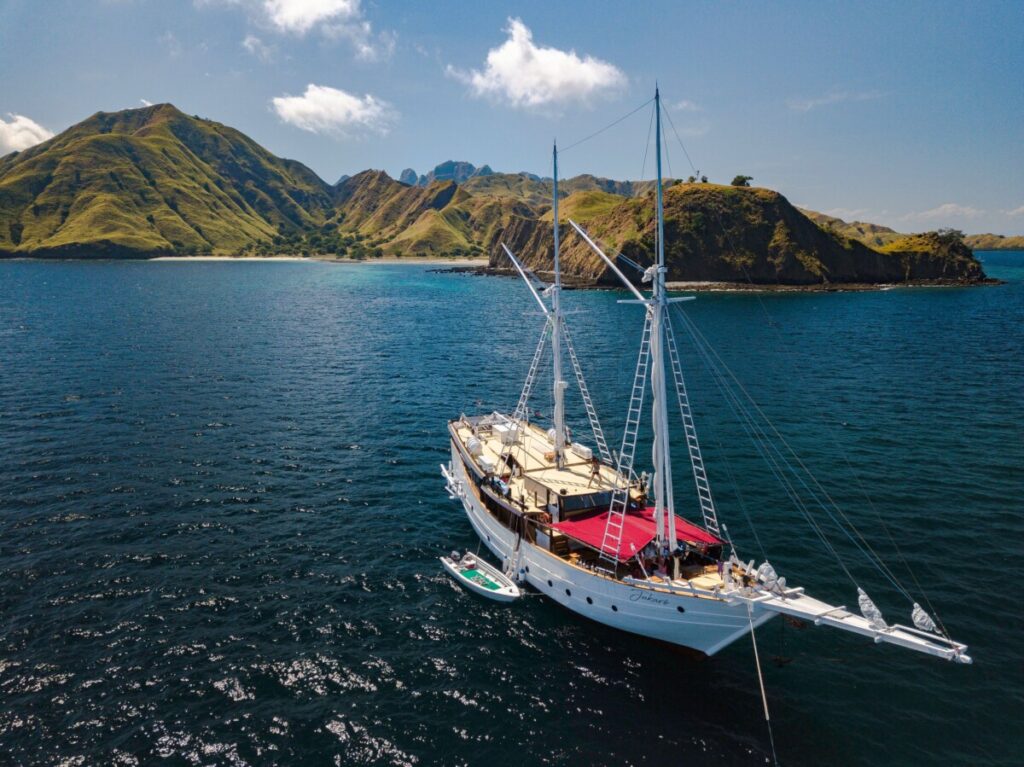
    luxury cruise at komodo island

    The Best Time to Diving in Komodo

    Komodo National Park is open to divers all year round, but the best time to diving Komodo Island is during the dry season, which runs from April to December. During this time, the weather is dry and sunny, the water is calm and clear, and the marine life is abundant. This is also when the water temperature is at its warmest, ranging from 26 to 29 degrees Celsius, making it perfect for long dives without needing a wetsuit.

    While diving is still possible during the rainy season from January to March, it’s not ideal. The weather can be unpredictable, and strong currents can make diving difficult and dangerous. The water visibility can also be affected by heavy rains and rough seas, which can make it difficult to spot diverse marine life.

    In addition to the weather, the best time to dive in Komodo also depends on what you want to see. Some species of marine life are more active or visible at different times of the year, so it’s worth considering what you hope to see before planning your trip.

    manta rays dive

    Manta Rays

    Manta rays are one of the main attractions in Komodo, and the best time to see them is from May to November. During this time, the water is warm and plankton-rich, which attracts these graceful creatures in large numbers. They often congregate around cleaning stations, where smaller fish clean their gills and skin. It’s an awe-inspiring sight to watch them glide through the water with their enormous wingspan.

    Whale Sharks

    Whale sharks are another popular species to see in Komodo, and they can be spott all year round. However, they are most commonly seen from October to December when they migrate to the area to feed on the spawning of bamboo coral. These gentle giants can grow up to 12 meters long and are a must-see for any diver.

    Muck Diving

    If you’re interested in the smaller, more unusual marine life, then muck diving is for you. The best time for muck diving in Komodo is during the rainy season from January to March, as the heavy rains bring nutrients to the water, attracting various fascinating creatures. From tiny nudibranchs to mimic octopuses, you never know what you’ll find on a muck dive.


    Read more article :

    Maximizing Your Komodo Liveaboard Experience: Tips and Tricks to Know Before You Go

    Diving With Giants: Komodo Diving Season For Manta Ray Lovers


    Final Thoughts

    Diving in dragon island is an unforgettable experience, and the best time to do so is during the dry season from April to December. Not only is the weather ideal, but it’s also the best time to see the incredible manta rays and whale sharks. However, if you’re interest in the more unusual marine life, the rainy season from January to March is the time to go.

    No matter when you plan your trip, Komodo underwater is an adventure you won’t forget. With crystal-clear waters, diverse marine life, and stunning coral reefs, it’s no wonder it’s consider one of the best diving destinations in the world.

  • Best Destinations for Diving In Indonesia

    Indonesia consists of thousands islands you can visit and explore to your heart content. Thus, water activities are encouraged when you visit Indonesia. There are many ways you can enjoy clear, beautiful waters in Indonesia. Diving is absolutely one of the most recommended. This way, you will get to see the real underwater world where there are so many diverse creatures living in. Indonesia has more than 17,000 islands and only 13,000 are reported. The remaining 4,000 islands are still unnamed. Only 6,000 of islands are inhibited. Not to mention that Indonesia houses 25% of all fish species in the world. 

    Recommended diving spots in Indonesia

    Furthermore, diving during your visit in Indonesia is truly encourage especially if you love water activity for a trip. Here are most recommended spots for diving in Indonesia worth travelling for:

    Raja Ampat

    Raja Ampat can be considered as the highly recommended diving spot in Indonesia. It is like the highlight of all. It is the archipelago of more than 1,500 small islands. There are more than 1,200 fish species living peacefully. Not to mention that this is where you will get to see the most beautiful coral reef biodiversity. It is because the location of Raja Ampat is found within The Coral Triangle including Papua New Guinea, Philippines, Malaysia, East Timor, and Solomon Island. You can even call it as the riches coral reef ecosystem on earth. During particular season, you can even get to see the rare whale sharks when diving. 

    raja ampat diving

    Komodo National Park

    Komodo Island is popular place because of its beauty. It is the only habitat of Komodo Dragons. Giant lizard with deathly tongues and bites. Another attraction of this island is the diving spot. It is already popular among international, seasoned divers. Komodo Island is UNESCO World Heritage Site full of glorious coral reefs, deep walls, and pinnacles. Diving spot in this island has rough currents. Thus, it is more recommended for experienced, advanced divers. You may get the highest chance to meet manta rays especially if you visit between December to February. 

    Also read:

    Bali

    Bali Island is like the icon of Indonesia tourism. It is a paradise for those who seek for enjoyable vacation. Bali island has everything you need for memorable trip. Aside from shopping and food hunting, Bali Island is recommended spot for diving. The access is very easy and the diving spots are available for beginner or advanced divers. The currents are pretty light and less intense so beginner divers can have their moments. Most recommended spots include Padang Bay, Amed, and Pulau Menjangan.

    Wakatobi

    Wakatobi Island is also on the top list of recommended diving spot in Indonesia. This is the place where you get to enjoy the rich marine life. This is also great diving destination for beginner diverse due to less intense currents. Several recommended diving spot in Wakatobi Island include Kaledupa, Wangki, Tomea, and Binongki. Those have relatively gentle currents safe for inexperienced divers. Best time to dive in Wakatobi Island is from March to December. Beware of the peak season which is from April to May and September to November.

  • How Komodo Diving Liveaboard Will Kickstart Healthy Lifestyle

    Komodo diving liveaboard is not just a way to escape to the breathtaking tropics. Aside from getting to experience the astounding nature of the legendary Komodo National Park and the surrounding islands, do you know that cruises have its own way of kickstarting a healthy lifestyle? Life onboard is something that would leave an impression on you.

    komodo diving liveaboard

    Food on Komodo Diving Liveaboard

    Floating atop water the whole time sometimes make you question whether you’ll get good food at all. Are you even going to get fresh food? Stores are miles away and you’re in the middle of the oceans! Contrary to that notion, the food served in Komodo diving liveaboard are as healthy as it could get.

    komodo cruise

    Not only you’ll be served by a professional chef onboard – which means mouthwatering menu served in the most delectable way possible – you’re going to eat plenty of healthy stuff as well. The fruits served onboard are usually “hard fruits”. Not fruits that are hard to eat, but they’re fruits that last long even without refrigerators. These include grapes, apples, watermelons (unopened, of course). Add a refreshing coconut to that equation. Your food consist of the perfect tropical bliss!

    Yoga atop Komodo Diving Cruise

    yoga cruise komodo

    Yoga atop Komodo diving cruise is akin to an ideal journey for retreat lovers and wellness enthusiasts. Many cruises do offer this as one of the features of their cruise activities. Make sure that you ask your cruise provider for better details. It’s imperative that you note these sort of activities likely won’t be available in Komodo liveaboard budget as it would be served more towards the luxury boat experience.

    If you’d like to find a liveaboard with a yoga intensive program, then specifically search for “Floating Yoga and Wellness School”. There have been several cruises emerging that cater to the niche. Everything is designed for those who care about the healthy ways of life and of course, much of the highlight of their program center on yoga and meditation.

    komodo liveaboard

    Guided meditation onboard

    A lot of the yoga cruises that serve the Komodo diving liveaboard route also include guided meditation as well. The frequency of it varies from one cruise to another. But you can expect that most cruises will provide daily guided meditation. If you’ve been thinking to start your routine of meditating but you don’t know where to start, joining a yoga cruise is actually a great way to kick it off.

    Read more on Komodo Flores:

    Life onboard does not automatically translate to everyday life

    It’s true that going on a Komodo diving liveaboard will kickstart all of the healthy activities. But remember that health is a lifestyle. Your life during your cruise might just be left there on the cruise if you don’t put in the effort to integrate it to your everyday life at home. Lifestyle is basically a culmination of habits. And habits start small. Can’t go on a yoga class every other day? Then don’t force yourself, if it’s not practical. Do it for five minutes at home. Take away the things you love on your liveaboard and apply them during your everyday life.