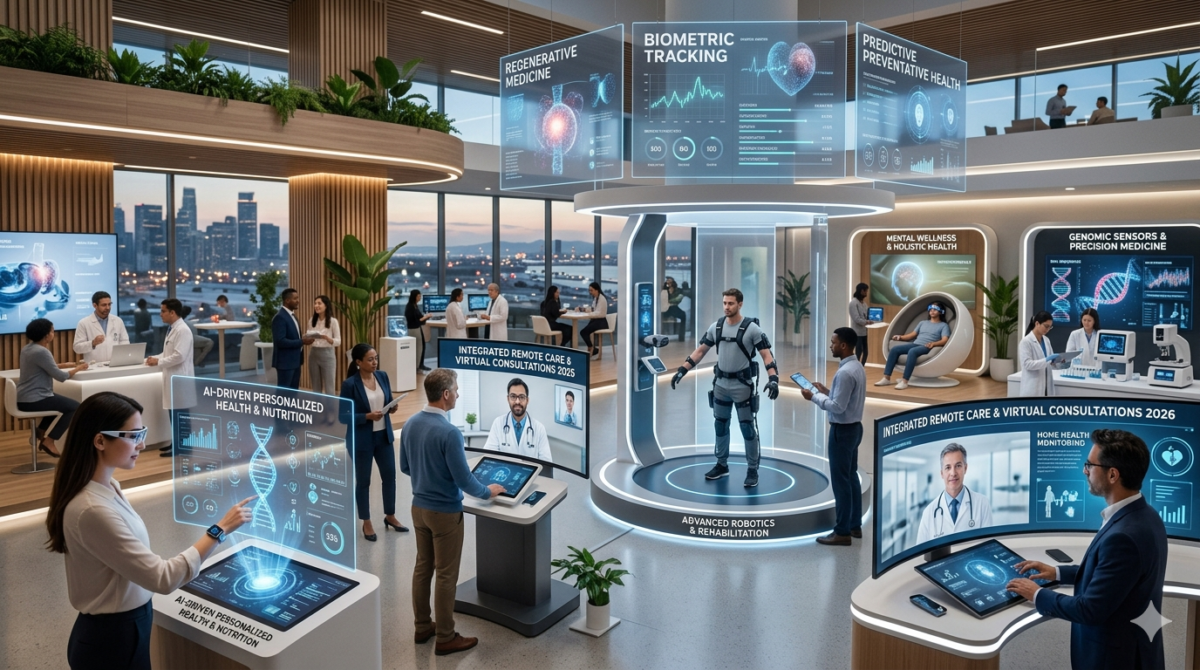
The landscape of health and wellness is evolving rapidly, with significant shifts anticipated by 2026. Advances in technology, shifts in policy, and innovative approaches to wellness communication are reshaping how health initiatives are planned and executed. Understanding these trends is crucial for policymakers, health professionals, and business stakeholders aiming to navigate this dynamic environment effectively. This article explores the future outlook of health and wellness, examining strategic innovations, the impact of health campaigns, expert insights, and regional comparisons to provide a comprehensive view of what lies ahead.
Future Outlook and Strategies in Health and Wellness
The future of health and wellness is marked by increasing integration of digital health tools and data-driven approaches. As healthcare systems strive for more personalised and preventative measures, strategic frameworks are adapting to incorporate technologies such as artificial intelligence, telemedicine, and wearable health devices. These innovations support more efficient monitoring, early disease detection, and tailored treatment plans.
Moreover, sustainability and mental wellness have become prominent pillars within health strategies. The growing recognition of the importance of mental health alongside physical health has spurred comprehensive programs that address holistic well-being. Integrating mental health support into primary care services and workplace wellness programs illustrates a broader strategic shift toward more inclusive health frameworks.
Policy frameworks are also evolving to emphasise collaborative, cross-sector partnerships. Governments and private sectors are increasingly working together to deploy community-based programs and health promotion initiatives, broadening the reach and impact of wellness campaigns.
Detailed Analysis of Health Strategies and Campaign Impact
Evaluating the effectiveness of health strategies and campaigns involves assessing both quantitative outcomes and qualitative feedback. Recent analyses indicate that multi-channel campaigns that leverage social media, traditional media, and community engagement tend to achieve higher levels of awareness and behavioural change.
Campaigns focusing on preventative care, such as vaccination drives and chronic disease management, demonstrate significant reductions in healthcare burdens when paired with effective communication strategies. Data suggests that campaigns tailored to specific demographics and cultural contexts yield stronger engagement and adherence.
Profiles and Interviews with Event Organisers and Health Experts
Key insights from health experts and organisers emphasise the importance of adaptability and audience engagement in health campaigns. Interviews reveal that successful campaigns often rely on clear messaging, data analytics for targeting, and continuous monitoring of campaign progress. Event organisers highlight the role of virtual platforms in expanding reach and fostering interactive experiences, especially amid recent global health challenges.
These experts advocate integrating community feedback mechanisms to refine ongoing initiatives. Their perspectives reinforce the idea that strategy effectiveness is enhanced when campaigns evolve in response to participants’ experiences and emerging health trends.
Innovations in Wellness Communication and Engagement
Innovations in communication are vital to engaging diverse populations effectively. Emerging technologies such as augmented reality (AR) and artificial intelligence (AI)-powered chatbots are being piloted to deliver personalized wellness information and support.
Gamification techniques have gained traction in wellness programs, encouraging participation through rewards and interactive challenges. These approaches have shown promise in increasing motivation for healthy behaviours, particularly among younger demographics.
Evaluation of Wellness Communication Effectiveness
Measuring the impact of these innovative communication methods involves analysing engagement metrics, user feedback, and health outcomes. Studies indicate that personalised, technology-driven communication tends to improve knowledge retention and encourages proactive health management.
Furthermore, there is growing emphasis on culturally sensitive messaging to address health disparities and ensure inclusivity in wellness promotion. Communication strategies integrating local languages, customs, and values have demonstrated higher acceptance and participation rates.
Expert Opinions on Health and Wellness Trends
Health experts forecast that future wellness trends will prioritise integrative approaches combining physical, emotional, and social health dimensions. Advances in genomics and personalised medicine are expected to play a significant role in customising health plans.
Additionally, experts highlight the growing importance of data security and ethical considerations in the deployment of health technology. Transparent data management practices and patient consent will be essential to maintaining trust in digital health solutions.
Long-Term Strategic Implications of Announced Plans
The strategic plans announced by health organisations over the next five years suggest a push toward sustainable health ecosystems that balance innovation with accessibility. Experts agree that long-term success will depend on continuous investment in research, workforce training, and infrastructure to support evolving health technologies.
Policymakers and health leaders are urged to adopt flexible strategy models that can adapt to emerging challenges and scientific breakthroughs, ensuring resilience and improved health outcomes.
Comparative Context of Health Initiatives Across Regions
Health and wellness strategies vary significantly across regions due to differing cultural, economic, and infrastructural factors. Comparative analyses reveal that high-income countries often lead in technological adoption and large-scale data utilisation, while low- and middle-income regions focus more on basic access and community-based programs.
However, global collaboration and knowledge exchange have increased, enabling the adaptation of successful strategies to local contexts. Regional partnerships facilitate resource sharing and joint initiatives, enhancing the overall effectiveness of health campaigns.
Case Studies of Successful Health and Wellness Campaigns
Examining past successful campaigns offers valuable lessons for future initiatives. For example, campaigns that combined digital tools with grassroots mobilisation have achieved notable improvements in vaccination coverage and chronic disease awareness.
One case study highlights a campaign that used mobile health applications to track and encourage physical activity, resulting in measurable increases in population-level fitness indicators. Another example involves multi-sector collaborations for mental health awareness, demonstrating the power of integrated approaches.
These case studies underscore the importance of innovation, strategic partnership, and culturally resonant messaging in driving health improvements.
Conclusion
The future of health and wellness in 2026 is characterised by dynamic innovation, strategic evolution, and greater integration of technology and personalised care. Robust health campaigns, guided by expert insights and data, will play pivotal roles in enhancing public health outcomes globally. By embracing new communication techniques and fostering regional collaboration, health initiatives can achieve sustainability and inclusivity. Understanding these emerging trends and strategies provides a foundation for stakeholders aiming to shape a healthier future.