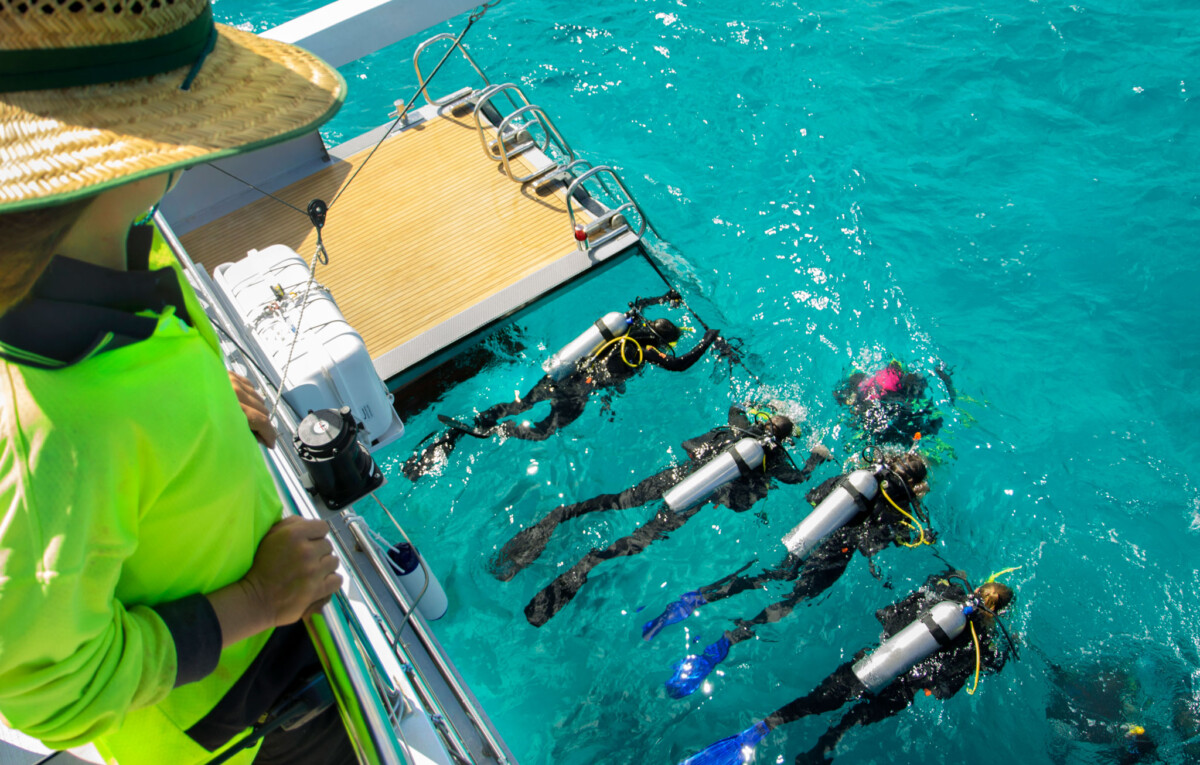
The pristine waters of Raja Ampat, Indonesia, are a diver’s paradise, renowned for their vibrant coral reefs and unparalleled marine biodiversity. However, the growing popularity of Raja Ampat diving demands robust safety measures to protect both divers and this delicate ecosystem. The Diving Safety 1000 Initiatives, held from August 4-6, 2025, in Raja Ampat, marked a pivotal step toward ensuring safer diving practices. Organized by the Indonesian Ministry of Tourism in collaboration with Divers Alert Network (DAN) and the Professional Association of Diving Instructors (PADI), this three-day event offered intensive training to enhance dive safety standards. This article delves into the training programs, their real-world applications, and their transformative impact on the local dive industry, drawing insights from participants and trainers.
The Core of Diving Safety 1000: Training Programs Unveiled
The Diving Safety 1000 Initiatives focused on equipping dive professionals with skills to mitigate risks and respond effectively to emergencies. The training encompassed three key areas: risk management, emergency response, and international safety protocols. Risk management sessions taught participants to identify potential hazards, such as equipment failures or environmental challenges, before they escalate. Trainers emphasized proactive measures, like thorough pre-dive checks and dive site assessments, to prevent incidents. Emergency response training covered critical skills, including administering oxygen, first aid, and managing decompression illness, ensuring divers could act swiftly in crises. International safety protocols, aligned with PADI and DAN standards, provided a framework for maintaining consistency in safety practices across global dive destinations.
A trainer from PADI, I Made Putra, shared, “Our goal was to empower local operators with tools to handle real-world scenarios. Raja Ampat diving is world-class, but safety must match that standard.” The hands-on workshops simulated real dive emergencies, allowing participants to practice techniques in controlled settings, reinforcing their confidence and preparedness.
Also read Join an Open Trip to Labuan Bajo & Stay in Wae Rebo’s Stunning Traditional Houses!
Real-World Applications: Enhancing Raja Ampat Diving Safety
The skills taught during Diving Safety 1000 have direct applications in Raja Ampat’s unique diving environment. Known for its strong currents and remote dive sites, Raja Ampat diving requires meticulous planning and rapid response capabilities. For instance, risk management training enables dive operators to assess currents and weather conditions, ensuring safer dive planning. Emergency response skills are vital in remote areas where medical facilities are limited. Participants learned to use portable oxygen kits and coordinate evacuations, reducing response times in critical situations.
One participant, a local dive guide named Sari, highlighted the practical impact: “Before this training, I wasn’t confident handling emergencies like decompression sickness. Now, I know how to stabilize a diver and get help fast.” These skills not only protect divers but also enhance the reputation of Raja Ampat diving as a safe destination, attracting more visitors and supporting sustainable tourism.
Local Involvement: BLUD UPTD’s Role in Dive Safety
The involvement of local organizations, such as BLUD UPTD Pengelolaan Kawasan Konservasi di Perairan Kepulauan Raja Ampat, was instrumental in the event’s success. BLUD UPTD sent six representatives to the training and facilitated the use of Dolphin Cottage’s aula in Waisai as the primary venue. This collaboration underscores the commitment to building a competent and professional dive industry in Raja Ampat. By integrating local stakeholders, the initiative ensured that training was tailored to the region’s specific needs, such as navigating its complex marine conservation zones.
A BLUD UPTD representative noted, “Our participation in Diving Safety 1000 shows our dedication to making Raja Ampat a global leader in safe and sustainable diving.” This synergy between local and international partners fosters a unified approach to dive safety, benefiting both operators and the marine ecosystem.
Impact on Local Dive Operators: A Path to Professionalism
The training’s impact on local dive operators is profound. By adopting international safety standards, operators can elevate their services, making Raja Ampat diving more competitive on the global stage. The program also addressed the need for consistent training across dive centers, reducing variability in safety practices. Operators who participated reported increased confidence in handling diverse diving scenarios, from guiding novice divers to managing advanced expeditions in challenging conditions.
Moreover, the initiative supports economic growth by empowering local dive professionals. As Raja Ampat diving grows in popularity, trained operators can attract more tourists, boosting local businesses and employment. The program’s emphasis on sustainability ensures that safety measures align with conservation goals, preserving Raja Ampat’s marine biodiversity for future generations.
Looking Ahead: A Safer Future for Raja Ampat Diving
The Diving Safety 1000 Initiatives have set a precedent for dive safety in Indonesia, with Raja Ampat leading the way. By equipping local operators with world-class training, the program strengthens Indonesia’s position as a premier diving destination. Plans to expand similar initiatives to other regions, such as Bali and Komodo, are already underway, promising a nationwide impact. For divers, this means greater confidence in exploring Indonesia’s underwater wonders, knowing that safety is prioritized.
For dive professionals, instructors, and aspiring divers, the Diving Safety 1000 training offers a blueprint for excellence. It emphasizes the importance of continuous learning and adherence to global standards, ensuring that Raja Ampat diving remains synonymous with safety and professionalism. As one trainer aptly put it, “Safe divers are happy divers, and that’s what keeps Raja Ampat thriving.”
In conclusion, the Diving Safety 1000 Initiatives represent a milestone in transforming Raja Ampat diving into a safer, more sustainable industry. Through rigorous training, local collaboration, and a commitment to international standards, this program paves the way for a brighter future for Indonesia’s dive tourism.