Embark on a cultural journey through Asian UNESCO World Heritage Sites, where history, tradition, and architectural marvels converge to tell stories of ancient civilizations. These iconic landmarks, recognized for their global cultural significance, offer travelers a chance to explore Asia’s rich heritage. From ancient temples to sprawling palaces, this guide dives into the history and importance of these must-visit destinations.
The Great Wall of China: A Timeless Wonder
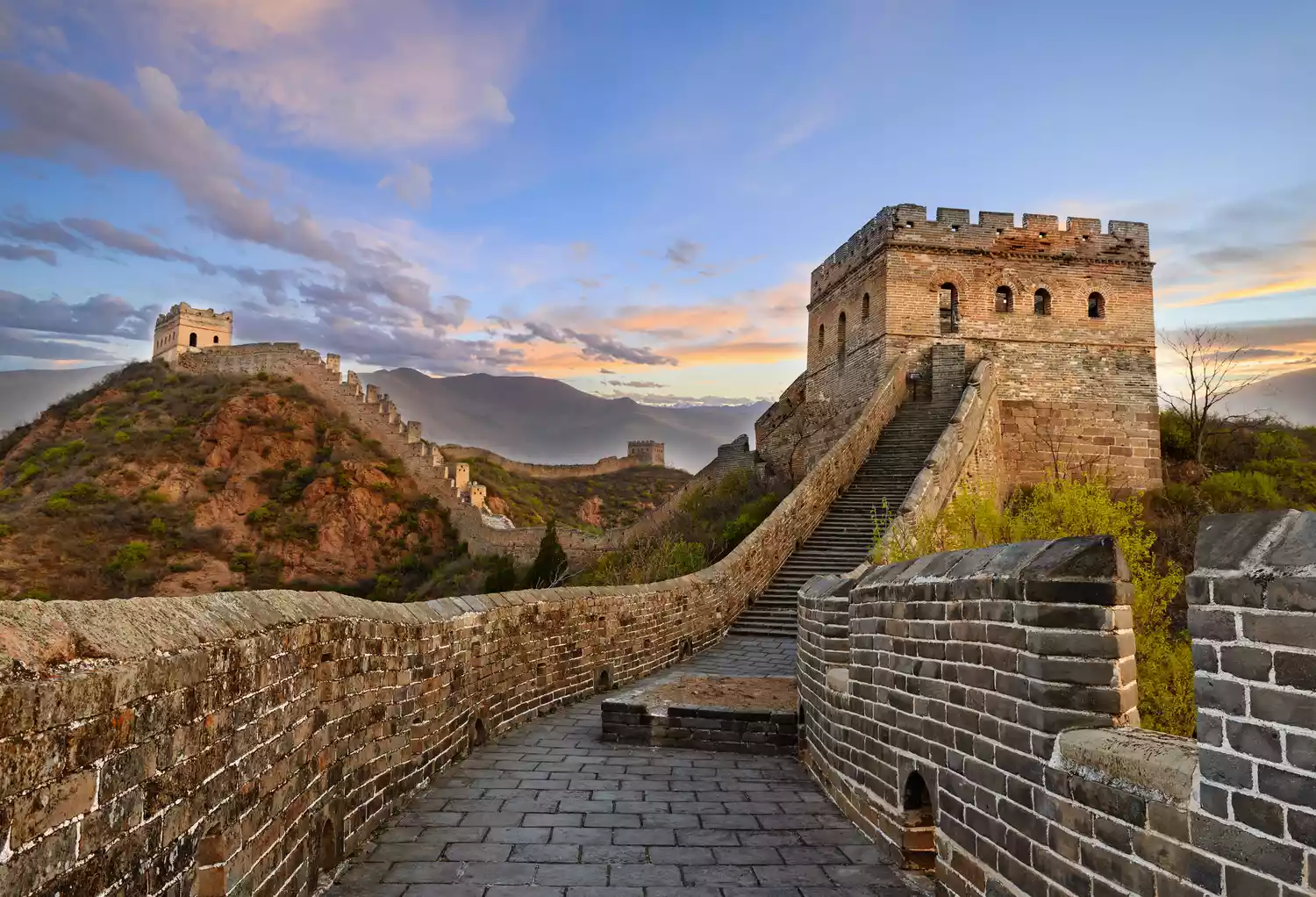
One of the most iconic Asian UNESCO World Heritage Sites, the Great Wall of China stretches over 21,000 kilometers, showcasing ancient engineering prowess. Built to protect against invasions, this 2,000-year-old structure winds through rugged landscapes, with sections like Badaling and Mutianyu offering breathtaking views. Visitors can explore its watchtowers and learn about its role in Chinese history, making it a must-see for history enthusiasts.
Also read The Appeal of Mute Retreats in a Noisy World
Angkor Wat: Cambodia’s Architectural Masterpiece
In Cambodia, Angkor Wat stands as a pinnacle of Khmer architecture and a revered Asian UNESCO World Heritage Site. This 12th-century temple complex, originally dedicated to Vishnu, spans over 400 square kilometers. Its intricate bas-reliefs and towering spires reflect Cambodia’s spiritual and artistic heritage. Sunrise tours offer a magical experience, while nearby temples like Ta Prohm, with its tree-entwined ruins, captivate adventurers.
Himeji Castle: Japan’s White Heron Fortress
Himeji Castle, a pristine example of Japanese feudal architecture, is another gem among Asian UNESCO World Heritage Sites. Known as the “White Heron” for its elegant white exterior, this 14th-century castle in Hyogo Prefecture boasts a complex defensive system and stunning cherry blossom views in spring. Its preservation and historical significance make it a top destination for those exploring Japan’s samurai past.
The Historic City of Ayutthaya: Thailand’s Ancient Capital
Thailand’s Ayutthaya, a UNESCO-listed site, was once a thriving capital of the Siamese Kingdom. Founded in 1350, its ruins, including Wat Phra Si Sanphet and Wat Mahathat, showcase intricate Buddhist architecture and historical resilience. Exploring this Asian UNESCO World Heritage Site by bicycle or boat reveals its serene beauty and tales of trade and conquest, perfect for culture lovers.
Why Visit Asian UNESCO World Heritage Sites?
These sites are more than just landmarks; they’re gateways to understanding Asia’s diverse cultures. Each Asian UNESCO World Heritage Site offers unique insights into ancient traditions, from China’s imperial defenses to Cambodia’s spiritual sanctuaries. Visiting these sites supports their preservation and fosters responsible tourism. Whether you’re drawn to the spiritual aura of Angkor Wat or the grandeur of the Great Wall, these destinations promise unforgettable experiences.
Tips for Visiting Asian UNESCO World Heritage Sites
- Plan Ahead: Check seasonal events, like cherry blossom season at Himeji Castle, for optimal visits.
- Respect Local Customs: Dress modestly and follow guidelines, especially at religious sites like Angkor Wat.
- Hire Local Guides: Expert guides enhance your understanding of each site’s history and significance.
- Travel Sustainably: Opt for eco-friendly tours and support local communities to preserve these treasures.
Exploring Asian UNESCO World Heritage Sites is a journey through time, connecting travelers with the heart of Asia’s cultural legacy. From the Great Wall’s rugged majesty to Ayutthaya’s tranquil ruins, these landmarks offer a blend of history, beauty, and inspiration. Plan your visit to these iconic sites and immerse yourself in the stories that have shaped Asia’s past.