Blog

  • North vs South Komodo Diving: Two Worlds Below

    North vs South Komodo Diving: Two Worlds Below

    0Shares

    Komodo diving can feel like exploring two completely different underwater destinations in a single journey. In the north, divers often find clearer, warmer water, hard-coral reefs, energetic drifts, and large schools of fish. Head south and the mood changes: the water becomes cooler, visibility can drop, soft corals become more dominant, and manta rays and macro life take center stage. That contrast is exactly what makes Komodo National Park so exciting for divers who want variety rather than repetition.

    One National Park, Two Underwater Personalities

    Komodo National Park sits between Sumbawa and Flores and covers 219,322 hectares, according to UNESCO. The park includes Komodo, Rinca, Padar, and numerous smaller volcanic islands, while more than 130,000 hectares of its protected area are marine. Strong currents and an exchange of nutrient-rich water help shape its underwater ecosystems.

    UNESCO notes that Komodo’s rich reefs and strong currents support a diverse marine ecosystem, including turtles, dolphins, whales, and dugongs. For divers, conditions can shift dramatically across relatively short distances.

    A Komodo diving trip is therefore not simply about ticking off famous sites. It is about seeing how geography, temperature, currents, and nutrient flow influence what appears beneath the surface.

    What Makes North Komodo Feel So Different?

    North Komodo is known for clear water, vibrant reefs, and fast-paced dives. Wallacea reports visibility in the northern part of the strait reaching roughly 25–30 meters in good conditions. That clarity is ideal for wide-angle photography and for watching entire reef systems unfold.

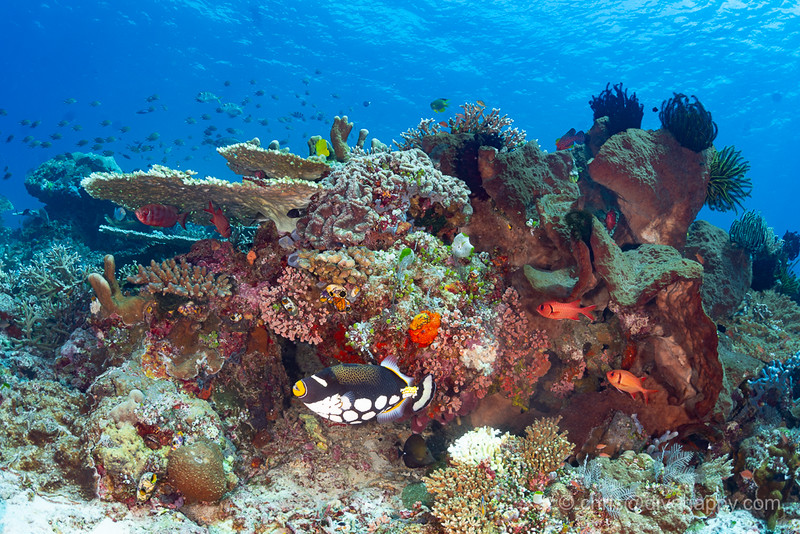
    Hard and soft corals mix across slopes, pinnacles, and walls, while anthias, wrasses, angelfish, reef sharks, tuna, and large predatory fish add movement above the reef. Current can be powerful, so many sites are best experienced as carefully timed drift or current dives.

    This is where an experienced operator matters. A Wallacea Dive Cruise uses current checks and site timing before dives to help guides choose entry points and brief guests according to conditions.

    For travelers comparing an Indonesian liveaboard with a resort stay, North Komodo demonstrates the advantage of mobility: a vessel can reposition between dive sites and respond to tides, rather than relying on a single fixed departure point.

    Why Does South Komodo Feel Cooler and Wilder?

    Travel south, and the character changes noticeably. Wallacea lists Komodo water temperatures between 22°C and 29°C, with southern temperatures capable of dropping to around 22–23°C in July and August. Visibility in the nutrient-rich south is often around 10–15 meters, below the clearest conditions in the north.

    Yet lower visibility does not mean poorer diving. Nutrient-rich water supports abundant soft corals and contributes to the south’s distinctive atmosphere. Manta rays, pygmy seahorses, frogfish, reef sharks, and other macro subjects are among the marine life divers may encounter.

    A Komodo diving liveaboard makes this contrast part of one journey. Moving between northern and southern areas allows divers to experience different environments without choosing only one side of the park.

    For photographers, one day may focus on reef panoramas and pelagic action while another rewards slower observation of soft corals and small marine species. It is one reason diving in Indonesia is defined by regional diversity rather than a single signature experience.

    North or South: Which Is Better for Your Dive Style?

    Neither side is objectively better. Choose North Komodo if you enjoy clear visibility, energetic drifts, schooling fish, reef sharks, pinnacles, and wide-angle photography. Choose South Komodo if you prefer cooler water, soft corals, macro photography, manta encounters, and a moodier underwater landscape.

    Divers who want to explore both should consider a Komodo liveaboard itinerary that covers multiple areas. A liveaboard vessel can make the contrast part of the experience, while a diving yacht provides flexibility to move between sites as conditions change.

    When comparing the best Komodo liveaboard options, look beyond cabin design and vessel size. Ask which regions the itinerary covers, how guides check currents, what temperatures to expect, and how much flexibility exists to adjust the route.

    Why Current and Timing Matter So Much

    Komodo is famous for its current, which helps support productive reefs. Wallacea says its guides conduct current checks before dives and brief guests using current conditions. The same site can therefore feel very different depending on tide, current direction, and time of day.
    Komodo liveaboard

    A Komodo boat tour can provide a snapshot of the park, but a multi-day itinerary gives divers more opportunities to experience changing conditions across regions. For underwater-focused travelers, route planning can matter as much as visiting famous landmarks.

    How to Plan a Trip That Includes Both Regions

    Start by checking seasonality, route, and trip length. Wallacea currently highlights June to September as its best season for Komodo itineraries and lists 10-night expeditions among its offerings. Natural conditions vary, so no itinerary should promise a specific wildlife encounter.

    Ask whether the route includes North, Central, and South Komodo, and check expected temperatures before packing exposure protection. Divers should also be realistic about their experience with current. A reputable crew can plan around conditions, but comfort with drift diving improves the experience.

    The strongest Komodo diving experiences are not about deciding whether north or south wins. They come from understanding why the regions differ and allowing enough time to experience both. Together, clear northern reefs and cooler southern ecosystems reveal how much underwater diversity can exist within a single protected landscape.
  • How to Reach Banda Islands for a Private Yacht Charter: A Banda Sea Sailing Tour Guide

    How to Reach Banda Islands for a Private Yacht Charter: A Banda Sea Sailing Tour Guide

    0Shares

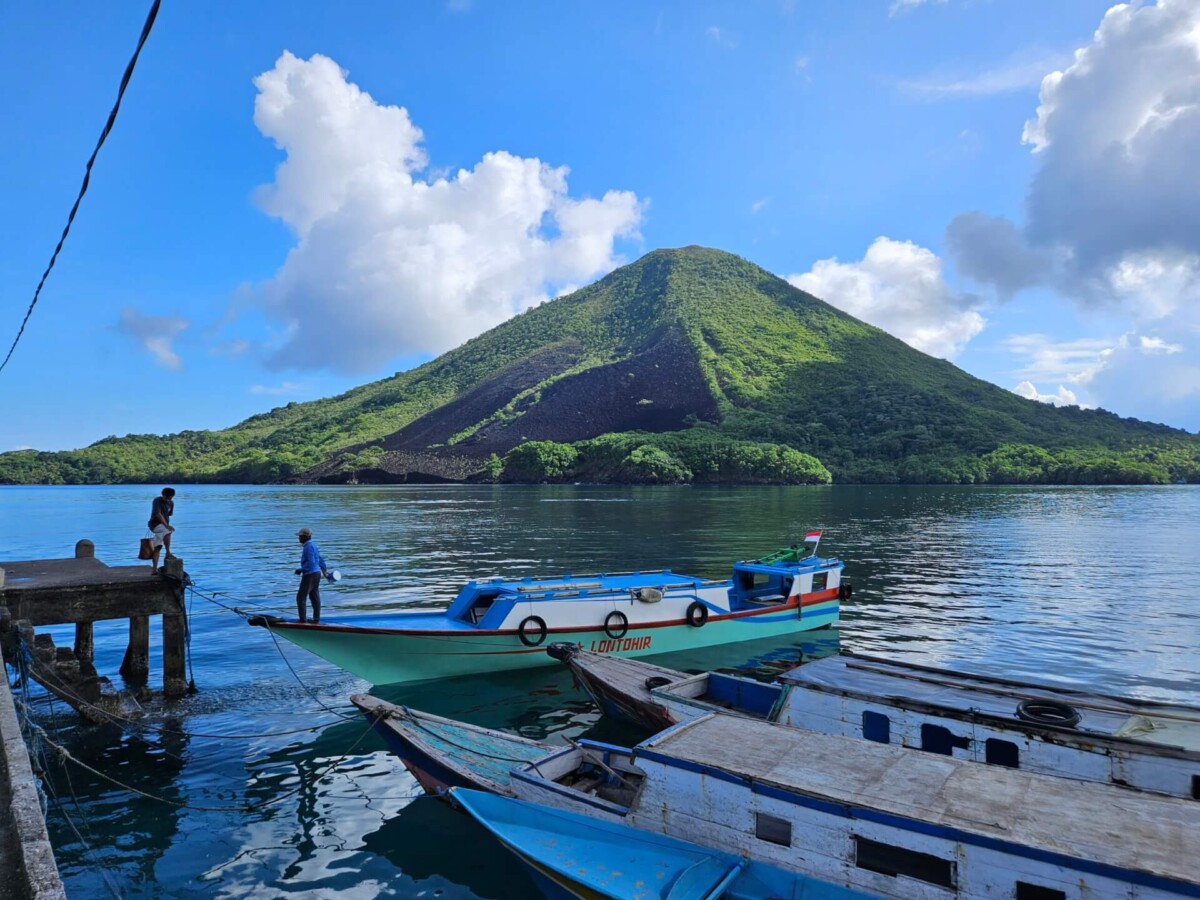
    Knowing how to reach Banda Islands is the first step toward experiencing one of Indonesia’s most remote and historically significant sailing destinations. Located in Maluku and once known worldwide as the Spice Islands, this volcanic archipelago rewards the extra travel time with historic forts, nutmeg plantations, coral-rich waters, and uncrowded anchorages. For travellers planning a private yacht journey, the most practical route normally combines a domestic flight to Ambon with a private transfer to the yacht’s embarkation port.

    What Is the Best Way to Reach the Banda Islands?

    The simplest route can be summarized as:

    International gateway → Jakarta, Bali, or Makassar → Ambon → yacht embarkation port → Banda Islands

    Ambon is the principal gateway because Pattimura International Airport, identified by the airport code AMQ, receives domestic connections from major Indonesian cities. Indonesia’s Ministry of Tourism recommends travelling through Ambon as the quickest route toward the Banda Archipelago.

    Travellers arriving from Europe, Australia, the United States, or other international markets will usually enter Indonesia through Jakarta or Bali. From there, they can take a domestic connection to Ambon, sometimes with a transfer in Makassar depending on their date and airline.

    Once in Ambon, private yacht guests are normally met by a driver and transferred to the departure harbour. Some Spice Islands itineraries embark from Tulehu or nearby ports on Ambon Island. One published yacht itinerary estimates that the combined road and boat transfer from Pattimura Airport to Tulehu takes approximately two to three hours.

    Step One: Fly to Ambon

    For most international guests researching how to reach Banda Islands, flying to Ambon is the most efficient starting point.

    Pattimura Airport is located outside central Ambon and operates as a domestic gateway. Indonesia’s official tourism website lists connections from cities including Jakarta, Surabaya, Makassar, and Kupang, although routes and frequencies can change.

    When organizing the journey, consider these practical steps:

    • Arrive in Ambon at least one day before embarkation.
    • Avoid relying on a tight same-day international-to-yacht connection.
    • Confirm domestic baggage allowances, especially when carrying dive equipment.
    • Keep essential medication, documents, and one change of clothing in hand luggage.
    • Ask the charter company whether airport transfers are included.

    Adding a buffer night protects the itinerary from delays caused by weather, schedule changes, baggage handling, or missed domestic connections. It also gives guests time to rest before boarding.

    For travelers comparing options for a Yacht charter Indonesia journey, this additional night should be treated as part of the expedition rather than an inconvenience.

    Step Two: Transfer from Ambon Airport to the Yacht

    After landing in Ambon, the next stage depends on the yacht’s departure port. The charter operator may organize a private vehicle, tender transfer, or a combination of road and sea transport.

    Many Spice Islands voyages begin around Tulehu, on the eastern side of Ambon Island. Guests are usually driven from the airport or hotel to the harbor, where the yacht team assists with luggage and embarkation.

    This is one reason booking a luxury yacht charter simplifies the journey. Instead of arranging several separate transport providers, travellers can have flights, hotel recommendations, road transfers, harbour assistance, and yacht boarding coordinated around one itinerary.

    Before confirming the booking, ask for:

    1. The exact embarkation port
    2. The recommended arrival flight
    3. The meeting time and location
    4. Transfer duration from the airport
    5. Emergency contact details
    6. Baggage and dive-equipment limits

    A well-organized operator should provide these details before departure.

    Can You Take a Public Ship to Banda Neira?

    Public passenger ships are another answer to how to reach Banda Islands, although they are generally less convenient for travelers joining a time-sensitive yacht itinerary.

    PELNI operates routes that call at Banda Neira from Ambon and other eastern Indonesian ports. In October 2025, the company reported that Banda Neira was served by three passenger vessels and one pioneer vessel. Routes included Ambon–Banda services as well as longer connections linking Jakarta, Surabaya, Makassar, Baubau, Tual, Fakfak, and Kaimana.

    PELNI also reported that 49,529 passengers disembarked in Banda during 2024, while another 42,200 arrivals were recorded between January and September 2025. These figures illustrate the continuing importance of sea transport for both residents and visitors.

    However, public ship schedules do not always align with yacht embarkation dates. Voyages may also be adjusted because of operational requirements or weather. Tickets and current schedules should therefore be checked directly through official PELNI channels.

    Public transport may suit independent travelers with flexible dates, but guests joining a private yacht charter will usually find it more practical to fly to Ambon and board the yacht there.

    Why Start the Yacht Journey in Ambon?

    Starting in Ambon allows the voyage itself to become part of the destination. Instead of flying directly into Banda Neira and seeing only the central islands, guests can cross the Banda Sea while visiting smaller islands, isolated reefs, coastal villages, and historic trading routes.

    A typical banda sea sailing tour may include Run Island, Ai Island, Banda Besar, Hatta Island, Pulau Suanggi, Nusa Laut, and Saparua. Published sample routes range from eight days and seven nights to longer twelve-day itineraries.

    This gradual approach provides time to understand why the archipelago became so influential. Banda Neira is one of ten volcanic islands in the Banda Archipelago, where indigenous nutmeg and mace once played a major role in global trade.

    For guests interested in sailing around Indonesia, the Banda route combines cultural history with diving, snorkeling, hiking, village visits, and long passages through rarely visited waters.

    Private Charter or Shared Voyage?

    The right format depends on budget, preferred dates, group size, and the level of flexibility required.

    Komodo liveaboard

    A private charter reserves the entire yacht for one group. Guests generally have greater control over meals, activities, pace, cabin allocation, and daily priorities. This option works particularly well for families, groups of friends, celebrations, photographers, and dedicated diving parties.

    A shared voyage sells individual cabins on a fixed departure. It can provide access to the same region at a lower total cost, but dates, routes, and daily schedules are predetermined.

    A private Banda Sea yacht charter may be the better choice when guests want to:

    • Spend more time at selected dive sites
    • Include cultural or historical visits
    • Adjust activities for children or non-divers
    • Celebrate a honeymoon or milestone
    • Charter multiple cabins for a private group
    • Customize meals and onboard services

    Both options can deliver a memorable Spice island expedition, but the private format provides greater control over how the available days are used.

    When Should You Travel?

    Seasonality matters when deciding how to reach Banda Islands and when to schedule the yacht.

    The Yacht Club Indonesia presents November and December as a preferred period for its Spice Islands itineraries, citing calmer seas and favorable sailing and diving conditions. Exact operating windows may differ by vessel, weather pattern, and repositioning schedule, so travelers should confirm availability before purchasing domestic flights.

    Because Banda voyages operate within relatively specific seasonal periods, the yacht should normally be confirmed before booking non-refundable travel.

    How Far in Advance Should You Book?

    For a multi-stage journey, planning six to twelve months ahead provides more choice, particularly for larger groups requiring a particular yacht size or cabin configuration.

    A practical booking sequence is:

    1. Select preferred travel dates.
    2. Confirm the number of guests and cabins.
    3. Choose the yacht and itinerary.
    4. Pay the required charter deposit.
    5. Book international flights.
    6. Book domestic flights to Ambon.
    7. Add an arrival buffer night.
    8. Confirm transfers and embarkation instructions.

    Avoid purchasing restrictive domestic tickets before the yacht’s departure date and port have been finalized.

    Frequently Asked Questions

    Can you fly directly to the Banda Islands?

    Small regional air services may operate to Banda Neira, but schedules and reliability can vary. Most private yacht guests use Ambon as the gateway and embark from an Ambon-area harbor.

    Is Ambon or Banda Neira the better embarkation point?

    Ambon generally provides stronger flight connectivity and easier charter logistics. Banda Neira may work for selected itineraries, but guests should confirm the exact embarkation point with their yacht operator.

    How many days are recommended for a Banda Islands yacht trip?

    Eight days can cover several principal islands, while ten to twelve days provide more time for diving, cultural visits, remote anchorages, and schedule flexibility.

    Should flights or the yacht be booked first?

    Confirm the yacht first. Charter availability, seasonal positioning, embarkation ports, and itinerary dates should determine which domestic flights and hotel nights you purchase.

    Final Planning Advice

    The most dependable approach is to fly through a major Indonesian gateway, continue to Ambon, stay overnight, and use a pre-arranged transfer to the yacht. This route reduces unnecessary uncertainty while allowing the sailing experience to begin from the moment guests leave Ambon.

    Understanding how to reach the Banda Islands is not simply about finding the shortest transport connection. It is about coordinating flights, transfers, seasonal conditions, and the right yacht so that the journey across the historic Banda Sea becomes an essential part of the experience.

  • Lembongan Beach Villas for Australians: The Easy Island Escape from Bali

    Lembongan Beach Villas for Australians: The Easy Island Escape from Bali

    0Shares

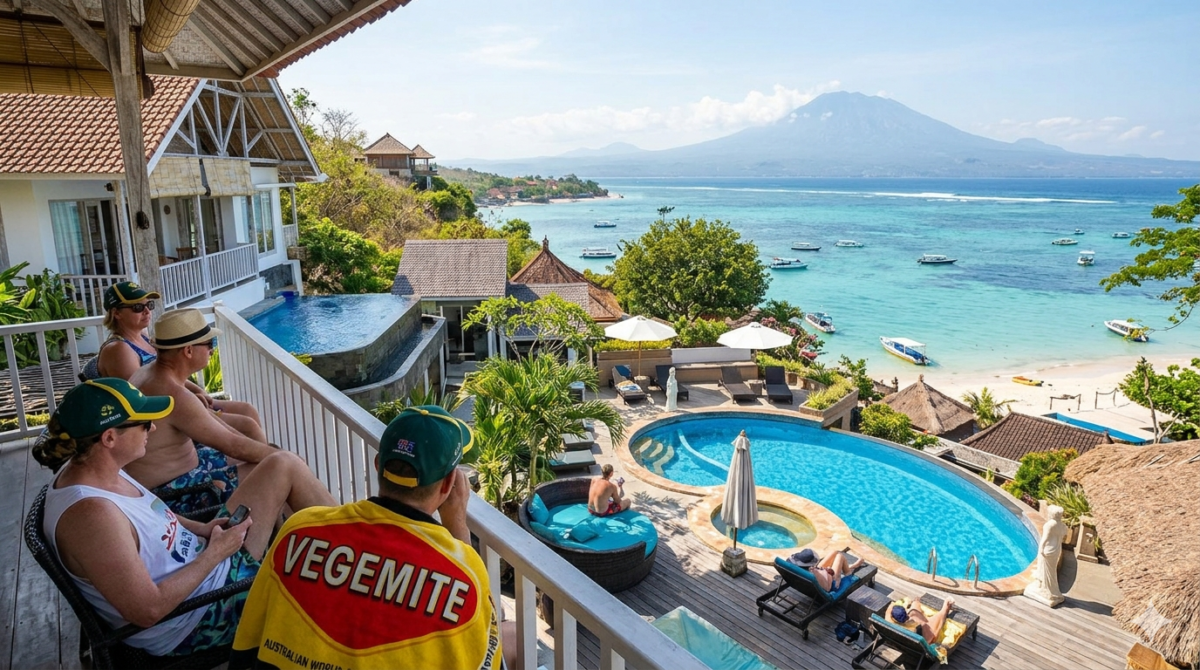
    Lembongan beach villas for Australians have become a natural choice for travellers who want a short island escape without going too far from Bali. For Australian and New Zealand visitors, Nusa Lembongan offers the right balance of easy boat access, beachside accommodation, family-friendly stays, private villas, and relaxed island holidays.

    Why Do Australian Travellers Love Nusa Lembongan?

    Nusa Lembongan feels close, simple, and different enough to make a Bali holiday feel fresh again. Many Australian travellers already know Bali well, but after a few days in Seminyak, Canggu, Ubud, or Sanur, they often want somewhere slower, smaller, and more beach-focused.

    That is where Lembongan stands out. The island has no heavy traffic, a laid-back coastal rhythm, and a strong holiday feeling from the moment visitors arrive. It is suitable for couples, families, groups of friends, surfers, divers, and travellers who want ocean views without the busier pace of mainland Bali.

    For New Zealand travellers, the appeal is similar. Lembongan offers warm weather, clear water, and a tropical island setting that feels easy to include in a wider Bali itinerary.

    Why Lembongan Is Easy to Reach from Bali

    One of the biggest reasons travellers choose Nusa Lembongan is convenience. The island is commonly reached by fast boat from Sanur, with some crossings taking around 30 minutes depending on the operator, schedule, and sea conditions. This makes it realistic for a short break, long weekend, or add-on stay after a few nights in Bali.

    A Nusa Lembongan boat transfer can usually be arranged with hotel pickup, luggage support, and onward coordination on arrival. Travellers who want more flexibility can also arrange a private boat to Nusa Lembongan, especially for families, groups, or guests with tight schedules.

    This easy access is one reason why Lembongan works so well for Australians. It feels like a true island escape, but it does not require a complicated flight connection or long travel day.

    Best Accommodation Style for a Short Island Escape

    Choosing the right stay is one of the most important parts of the trip. Many travellers look for Nusa Lembongan accommodation that is close to the beach, restaurants, boat arrival points, and swimming spots. Others prefer quieter hillside villas with views across the channel.

    The best place to stay in Nusa Lembongan depends on the style of holiday. Families may prefer practical layouts, multiple bedrooms, pools, kitchens, and easy beach access. Couples may prefer a boutique villa in Nusa Lembongan with sunset views. Groups may search for a villa for rent Nusa Lembongan that gives everyone space to relax together.

    For curated options, explore Lembongan beach villas for Australians to compare stays that suit beach holidays, family trips, and private island escapes.

    Why Villas Work So Well for Families

    Families from Australia and New Zealand often prefer villas because they offer more freedom than a standard hotel room. A private pool, living area, kitchen, and multiple bedrooms can make the holiday easier, especially for parents travelling with children.

    Nusa Lembongan family accommodation is also useful for multi-generational travel. Grandparents, parents, and children can stay together while still having enough private space. This makes the island ideal for school holidays, birthdays, reunions, and relaxed family getaways.

    Travellers searching for villas in Lembongan Island often want comfort, location, and support. Trusted accommodation help matters because the logistics on the island can feel different from those on mainland Bali. Having someone assist with transfers, villa matching, check-in details, and local recommendations can make the stay smoother.

    Beachside Holidays with Room to Breathe

    The island is known for its coastal lifestyle. Jungutbatu, Mushroom Bay, Tamarind Bay, and Sandy Bay each offer a different mood, from relaxed beachfront dining to sunset drinks and quiet villa stays.

    Lembongan beach villas are especially attractive for travellers who want to wake up near the ocean, walk to breakfast, swim during the day, and enjoy the sunset without needing long transport. Some guests prefer a villa stay in Nusa Lembongan, Bali, with views, while others want direct access to casual beach cafes and island activities.

    The best villa in Nusa Lembongan is about more than luxury. It is about matching the guest’s holiday style. For some, that means a modern pool villa. For others, it means a relaxed beach house close to the sand.

    What Can Travellers Do on Nusa Lembongan?

    Nusa Lembongan is small, but it offers plenty to fill a short holiday. Snorkeling in Nusa Lembongan is one of the most popular activities, with boat trips often visiting clear-water sites around Lembongan, Ceningan, and nearby Penida waters. Travellers can also book a Nusa Lembongan snorkeling tour for a guided experience.

    For ocean lovers, Nusa Lembongan diving and surfing in Nusa Lembongan add another layer to the trip. Experienced surfers often look for a Nusa Lembongan surf spot depending on the swell, while divers enjoy access to reefs, drift sites, and seasonal marine encounters.

    The island is also good for wellness and simple routines. Visitors can find yoga, a gym, and spa treatments in Nusa Lembongan for slower holiday days. Many travellers also ask about the best spa in Nusa Lembongan for a recovery afternoon after time in the sun.

    Food, Bars, and Island Evenings

    Food is another reason Australians enjoy Lembongan. The island has casual beachfront venues, seafood spots, cafes, sunset bars, and relaxed restaurants suitable for families and groups.

    Lembongan island restaurants range from simple local warungs to stylish dining spots. Travellers often search for the best places to eat in Nusa Lembongan, the best food in Nusa Lembongan, and the best lunch in Nusa Lembongan before they arrive. This is helpful because planning a few meals in advance can make a short stay feel more relaxed.

    For evenings, the best bars in Nusa Lembongan often mean sunset views, cocktails, live music, or a casual drink by the water. The nightlife is not as intense as mainland Bali, which is part of the island’s charm.

    Is Lembongan Good for Weddings and Special Trips?

    Yes. A Nusa Lembongan wedding can feel intimate, tropical, and easier to manage than a larger destination event. Villas are useful for wedding groups because guests can stay close together, enjoy private gatherings, and combine the event with a beach holiday.

    Some travellers also compare Lembongan beach villas resort options with private villas, depending on guest numbers and the level of service needed. Others look at Lembongan island beach villas for a more coastal celebration.

    For guests wanting to extend their trip, accommodation on Ceningan Island can also be considered, especially for travellers who want a quieter island feel nearby.

    Final Thoughts

    Nusa Lembongan remains one of the easiest island escapes from Bali for Australian and New Zealand travellers. It is close enough for a short break, relaxed enough for families, and beautiful enough for beachside holidays, villas, surfing, snorkeling, diving, weddings, and wellness-focused stays.

    That is why Lembongan beach villas continue to be such a strong fit for Australians. They offer comfort, space, a convenient location, and trusted local support in a destination that feels peaceful yet easy to reach. For travellers who want access to Bali with a softer island rhythm, Nusa Lembongan is one of the best choices.

  • Future Outlook and Strategic Innovations in Health and Wellness for 2026

    Future Outlook and Strategic Innovations in Health and Wellness for 2026

    0Shares

    The landscape of health and wellness is evolving rapidly, with significant shifts anticipated by 2026. Advances in technology, shifts in policy, and innovative approaches to wellness communication are reshaping how health initiatives are planned and executed. Understanding these trends is crucial for policymakers, health professionals, and business stakeholders aiming to navigate this dynamic environment effectively. This article explores the future outlook of health and wellness, examining strategic innovations, the impact of health campaigns, expert insights, and regional comparisons to provide a comprehensive view of what lies ahead.

    Future Outlook and Strategies in Health and Wellness

    The future of health and wellness is marked by increasing integration of digital health tools and data-driven approaches. As healthcare systems strive for more personalised and preventative measures, strategic frameworks are adapting to incorporate technologies such as artificial intelligence, telemedicine, and wearable health devices. These innovations support more efficient monitoring, early disease detection, and tailored treatment plans.

    Moreover, sustainability and mental wellness have become prominent pillars within health strategies. The growing recognition of the importance of mental health alongside physical health has spurred comprehensive programs that address holistic well-being. Integrating mental health support into primary care services and workplace wellness programs illustrates a broader strategic shift toward more inclusive health frameworks.

    Policy frameworks are also evolving to emphasise collaborative, cross-sector partnerships. Governments and private sectors are increasingly working together to deploy community-based programs and health promotion initiatives, broadening the reach and impact of wellness campaigns.

    Detailed Analysis of Health Strategies and Campaign Impact

    Evaluating the effectiveness of health strategies and campaigns involves assessing both quantitative outcomes and qualitative feedback. Recent analyses indicate that multi-channel campaigns that leverage social media, traditional media, and community engagement tend to achieve higher levels of awareness and behavioural change.

    Campaigns focusing on preventative care, such as vaccination drives and chronic disease management, demonstrate significant reductions in healthcare burdens when paired with effective communication strategies. Data suggests that campaigns tailored to specific demographics and cultural contexts yield stronger engagement and adherence.

    Profiles and Interviews with Event Organisers and Health Experts

    Key insights from health experts and organisers emphasise the importance of adaptability and audience engagement in health campaigns. Interviews reveal that successful campaigns often rely on clear messaging, data analytics for targeting, and continuous monitoring of campaign progress. Event organisers highlight the role of virtual platforms in expanding reach and fostering interactive experiences, especially amid recent global health challenges.

    These experts advocate integrating community feedback mechanisms to refine ongoing initiatives. Their perspectives reinforce the idea that strategy effectiveness is enhanced when campaigns evolve in response to participants’ experiences and emerging health trends.

    Innovations in Wellness Communication and Engagement

    Innovations in communication are vital to engaging diverse populations effectively. Emerging technologies such as augmented reality (AR) and artificial intelligence (AI)-powered chatbots are being piloted to deliver personalized wellness information and support.

    Gamification techniques have gained traction in wellness programs, encouraging participation through rewards and interactive challenges. These approaches have shown promise in increasing motivation for healthy behaviours, particularly among younger demographics.

    Evaluation of Wellness Communication Effectiveness

    Measuring the impact of these innovative communication methods involves analysing engagement metrics, user feedback, and health outcomes. Studies indicate that personalised, technology-driven communication tends to improve knowledge retention and encourages proactive health management.

    Furthermore, there is growing emphasis on culturally sensitive messaging to address health disparities and ensure inclusivity in wellness promotion. Communication strategies integrating local languages, customs, and values have demonstrated higher acceptance and participation rates.

    Expert Opinions on Health and Wellness Trends

    Health experts forecast that future wellness trends will prioritise integrative approaches combining physical, emotional, and social health dimensions. Advances in genomics and personalised medicine are expected to play a significant role in customising health plans.

    Additionally, experts highlight the growing importance of data security and ethical considerations in the deployment of health technology. Transparent data management practices and patient consent will be essential to maintaining trust in digital health solutions.

    Long-Term Strategic Implications of Announced Plans

    The strategic plans announced by health organisations over the next five years suggest a push toward sustainable health ecosystems that balance innovation with accessibility. Experts agree that long-term success will depend on continuous investment in research, workforce training, and infrastructure to support evolving health technologies.

    Policymakers and health leaders are urged to adopt flexible strategy models that can adapt to emerging challenges and scientific breakthroughs, ensuring resilience and improved health outcomes.

    Comparative Context of Health Initiatives Across Regions

    Health and wellness strategies vary significantly across regions due to differing cultural, economic, and infrastructural factors. Comparative analyses reveal that high-income countries often lead in technological adoption and large-scale data utilisation, while low- and middle-income regions focus more on basic access and community-based programs.

    However, global collaboration and knowledge exchange have increased, enabling the adaptation of successful strategies to local contexts. Regional partnerships facilitate resource sharing and joint initiatives, enhancing the overall effectiveness of health campaigns.

    Case Studies of Successful Health and Wellness Campaigns

    Examining past successful campaigns offers valuable lessons for future initiatives. For example, campaigns that combined digital tools with grassroots mobilisation have achieved notable improvements in vaccination coverage and chronic disease awareness.

    One case study highlights a campaign that used mobile health applications to track and encourage physical activity, resulting in measurable increases in population-level fitness indicators. Another example involves multi-sector collaborations for mental health awareness, demonstrating the power of integrated approaches.

    These case studies underscore the importance of innovation, strategic partnership, and culturally resonant messaging in driving health improvements.

    Conclusion

    The future of health and wellness in 2026 is characterised by dynamic innovation, strategic evolution, and greater integration of technology and personalised care. Robust health campaigns, guided by expert insights and data, will play pivotal roles in enhancing public health outcomes globally. By embracing new communication techniques and fostering regional collaboration, health initiatives can achieve sustainability and inclusivity. Understanding these emerging trends and strategies provides a foundation for stakeholders aiming to shape a healthier future.

  • Exploring the Wonders of Komodo: The Ultimate Yacht Charter Experience

    Exploring the Wonders of Komodo: The Ultimate Yacht Charter Experience

    0Shares

    Exploring the unique and stunning environment of Komodo National Park by sea offers an unmatched travel experience that combines adventure, luxury, and immersive nature. For those considering a Komodo yacht charter, this destination offers remarkable opportunities to discover some of Indonesia’s most pristine islands and vibrant marine ecosystems in unparalleled comfort. As you sail through the calm, clear waters, dramatic island landscapes create memories that last a lifetime.

    From snorkeling among colourful coral reefs to hiking alongside the ancient Komodo dragons, the blend of experiences available here caters to travellers eager for both exploration and relaxation.

    Why Choose Komodo for Your Yacht Charter?

    Komodo National Park is globally renowned for its extraordinary biodiversity, stunning natural beauty, and unique wildlife. Chartering a yacht offers a luxurious and flexible way to explore many of its hidden treasures that are not easily reached by conventional tours, elevating the adventure with exclusive privacy and the freedom to tailor your journey.

    Exploring Komodo’s Marine Biodiversity

    Situated within the Coral Triangle, Komodo’s surrounding waters are a hotspot for marine biodiversity. The area boasts a dazzling variety of life, including vibrant corals, tropical reef fishes, graceful manta rays, and protective sea turtles. Thanks to strong conservation efforts, these underwater ecosystems remain healthy and colourful, offering spectacular snorkeling and diving opportunities. With a yacht charter, guests can access less-visited dive sites and pristine snorkeling spots, enjoying an intimate underwater experience away from tourist crowds.

    Komodo Dragons and Island Treks

    Beyond the remarkable waters, Komodo National Park is famously home to the Komodo dragon, the world’s largest living lizard. Guided treks across Komodo Island and neighbouring islands provide a safe and fascinating chance to observe these ancient creatures in their natural environment. Along the way, visitors encounter diverse terrains, including grassland savannahs and dense mangroves, and these land excursions offer engaging wildlife spotting and breathtaking panoramic scenery. Back on board, guests enjoy the comfort of their yacht.

    Top Destinations and Attractions in Komodo National Park

    The park consists of multiple islands, each offering distinct features and experiences. Pink Beach is a standout attraction, named for its rare pink-hued sand created from crushed red coral fragments. Its gentle shores and clear waters make it ideal for snorkeling and relaxation. Kanawa Island is equally inviting, offering tranquil waters and vibrant coral reefs teeming with marine life for underwater exploration.

    Padar Island features rugged hills that provide some of the most spectacular views in Indonesia, especially during sunrise or sunset hikes. The panoramic vistas of three different colored beaches and the surrounding turquoise ocean are unforgettable. In addition, many itineraries include visits to lesser-known islands where travellers can discover untouched beaches, secret coves, and rich biodiversity in a peaceful setting.

    Travelling to these destinations on a private yacht allows guests to explore at their own pace and enjoy secluded spots off standard tourist routes.

    Sample Yacht Charter Itineraries Around Komodo

    Komodo yacht charters offer flexible trips, often from three days to a full week, so travellers can tailor the adventure. A typical itinerary begins at Labuan Bajo, the gateway town, then heads to Kanawa Island for swimming and snorkeling among colourful reefs. The next day may include trekking on Komodo Island to see the dragons, followed by a relaxing afternoon at Pink Beach.

    Later days often include dives at Manta Point to swim alongside majestic manta rays or leisurely sailing through quiet bays while enjoying deck activities. Itineraries can be customised to suit photography enthusiasts, divers, or guests interested in cultural experiences with nearby island communities, and this flexibility helps every journey feel tailored.

    Seasonal considerations matter as well; peak seasons offer better weather and marine visibility, while off-peak months mean fewer crowds and more tranquillity. Guests can work with operators to adjust plans to their preferences and seasonal conditions, ensuring a personalised and rewarding journey.

    What to Expect Onboard During Your Charter

    Daily Activities and Onboard Amenities

    Luxury yachts in Komodo are fully equipped to ensure both comfort and adventure. Spacious cabins with modern comforts guarantee restful nights, while inviting dining and lounge areas provide beautiful views and social spaces. Guests can often enjoy activities such as kayaking, paddleboarding, and guided snorkeling directly from the yacht, and many vessels also offer gym facilities, spa treatments, and entertainment systems for relaxation between excursions.

    Fresh, locally sourced ingredients are typically featured in the gourmet meals prepared onboard by professional chefs. Menus blend Indonesian flavours with international cuisine, catering to dietary preferences and special requests, making every meal memorable.

    Luxury Service and Crew Expertise

    A knowledgeable, friendly crew enhances the charter experience through attentive service and expert guidance. Skilled captains navigate the archipelago safely while local guides share insights into Komodo’s ecology, culture, and history, enriching every stop with meaningful connections to the environment.

    Crew members often organise daily excursions and keep activities running smoothly, so guests can focus on relaxation and discovery. The personalised service makes the yacht charter more than a standard vacation, creating a seamless blend of luxury and adventure.

    How to Book Your Komodo Yacht Charter with The Yacht Club Indonesia

    Booking a Komodo yacht charter with The Yacht Club Indonesia begins with a consultation to identify preferred travel dates, yacht types, and itinerary goals. This tailored approach ensures the perfect match between client expectations and available options, while transparent communication throughout the planning phase simplifies logistics, including airport transfers, diving certification needs, and any special arrangements.

    Early booking is highly recommended, especially during high season, as the best yachts and itineraries fill quickly. Throughout the process, dedicated customer support remains available to answer questions and make adjustments, keeping the experience clear and confident.

    Once on board, ongoing assistance ensures that every detail is taken care of, allowing travellers to fully immerse themselves in the experience without concern.

    Conclusion

    A Komodo yacht charter lets travellers explore one of Indonesia’s most impressive natural wonders in comfort and exclusivity. Diverse, vibrant marine life, spectacular island landscapes, and bespoke onboard luxury create a travel experience that is both adventurous and sophisticated. From diving among coral reefs to walking alongside Komodo dragons, each day brings new discoveries with personalised service.

    Travellers who choose this journey enjoy access and privacy while also supporting responsible tourism that helps conservation. Whether seeking active exploration or serene relaxation, a yacht charter in Komodo National Park promises unforgettable moments and lasting memories.

  • Komodo Liveaboard in Rainy Season: Is It a Mistake?

    Komodo Liveaboard in Rainy Season: Is It a Mistake?

    0Shares

    Planning a Komodo Liveaboard between December and March, and wondering if it’s a bad idea? You’re not alone. The rainy season in Komodo National Park raises many questions: rough seas, cancelled dives, cloudy skies. But is it actually a mistake?

    The short answer: not necessarily. For budget-conscious travelers and last-minute planners, the rainy season can actually offer surprising advantages if you know what to expect.

    Let’s break it down realistically.

    What is the rainy season in Komodo?

    The rainy season typically runs from December through March, with January and February being the wettest months.

    Important to understand:

    • It does not rain all day, every day.
    • Showers are often short and tropical.
    • The weather can shift quickly.

    Many travelers imagine constant storms. In reality, you’ll often get sunny mornings followed by passing afternoon showers.

    Read Also Can Komodo Tour Package Operators Help Protect Labuan Bajo’s Marine Views from Excessive Jetties?

    Realistic Sea Conditions (What Nobody Sugarcoats)

    The west monsoon winds influence sea conditions during the rainy season.

    Here’s what that means:

    • Northern routes may experience more wind exposure.
    • Some crossings can be bumpier than the peak dry season.
    • Visibility may drop slightly after heavy rain.
    • Currents remain strong (this doesn’t change seasonally).

    However:

    • Professional crews adjust routes daily.
    • Boats rarely cancel unless safety demands it.
    • Modern vessels are designed for these conditions.

    If you’re prone to seasickness, bring medication. But for most guests, the experience remains comfortable.

    This is especially true on a well-operated Komodo Liveaboard, where captains adapt itineraries to prioritize safety and dive quality.

    What Changes in the Itinerary?

    Rainy season doesn’t mean “less Komodo.” It just means flexibility.

    Possible changes include:

    • Adjusting from North to Central sites
    • Swapping exposed dive sites for sheltered reefs
    • Modifying sunset hike timing
    • Shortening long open-water crossings

    Instead of sticking rigidly to one route, captains may explore:

    • More protected bays
    • Alternative manta cleaning stations
    • Less crowded reef systems

    This adaptability can create a more personalised experience than fixed peak-season schedules.

    The Big Advantage: Fewer Crowds

    Here’s where the rainy season shines.

    Between December and March:

    • Fewer boats operate
    • Dive sites feel quieter
    • Viewpoints like Padar Island are less crowded
    • Beaches feel more exclusive

    If you’re comparing a rainy-season liveaboard to a standard Komodo boat tour, the difference in crowd levels is dramatic.

    Less competition at dive sites means:

    • Longer, more relaxed dives
    • Better wildlife encounters
    • Cleaner photo opportunities

    For photographers and serious divers, this is a huge plus.

    Better Manta Ray Encounters?

    Many divers don’t realise this: manta sightings often improve during the rainy season.

    Why?

    • Plankton increases with seasonal changes.
    • Nutrient-rich waters attract feeding mantas.
    • Cleaning stations remain active.

    December to February can be excellent for manta encounters — sometimes even better than dry season months.

    If your dream Komodo trip includes manta rays, the rainy season may actually work in your favor.

    Pricing & Availability Benefits

    The rainy season is attractive for:

    • Budget-conscious travelers
    • Last-minute planners
    • Flexible remote workers

    You’ll often find:

    • Promotional pricing
    • More cabin availability
    • Easier booking windows
    • Potential upgrades

    Compared to peak-season komodo yacht charter pricing, rainy season rates can be significantly lower while delivering similar dive quality.

    For travelers planning a broader Indonesia journey, combining a Flores tour before boarding this season offers better logistical flexibility as well.

    Is It Safe to go during the rainy season?

    Safety standards remain consistent year-round.

    What matters more than season:

    • Crew experience
    • Boat maintenance
    • Safety equipment
    • Dive briefings
    • Oxygen availability
    • Weather monitoring systems

    A professionally operated Komodo Liveaboard will always prioritize safety over schedule.

    Storm forecasts are monitored daily, and itineraries are adjusted accordingly.

    Who Should Go During the Rainy Season?

    The rainy season is ideal if you:

    • Want fewer crowds
    • Prefer better pricing
    • Have flexible travel dates
    • Don’t mind occasional tropical showers
    • Care more about diving than perfect Instagram skies

    It may not be ideal if:

    • You are extremely prone to seasickness
    • You require perfectly calm seas
    • You want guaranteed blue-sky photography daily

    But for many travelers, it’s far from a mistake.

    Rainy Season vs Dry Season: Quick Comparison

    FactorRainy Season (Dec–Mar)Dry Season
    CrowdsLowHigh
    PricingLowerPremium
    Sea ConditionsVariableMore stable
    Manta SightingsExcellentVery good
    AvailabilityFlexibleLimited

    Final Verdict: Is It a Mistake?

    No — it’s a strategic choice.

    The rainy season in Komodo is not about compromise. It’s about trade-offs.

    You exchange:

    • Perfectly calm seas

    For:

    • Fewer boats
    • Better pricing
    • Strong manta activity
    • Greater flexibility

    If you approach it with realistic expectations, the experience can be equally unforgettable.

    Before booking any Komodo tour, always ask operators about seasonal route adjustments and weather contingency plans.

    Because the truth is, Komodo’s underwater world doesn’t shut down when the rain starts.

    It simply becomes quieter.

  • Can Komodo Tour Package Operators Help Protect Labuan Bajo’s Marine Views from Excessive Jetties?

    Can Komodo Tour Package Operators Help Protect Labuan Bajo’s Marine Views from Excessive Jetties?

    0Shares

    Labuan Bajo’s popularity as the gateway to Komodo Island has spiked in recent years, thanks to its status as a National Tourism Strategic Area and a hub for Komodo tour package offerings that combine wildlife encounters with marine adventures. However, as more hotels and private operators build jetties and coastal infrastructure to cater to visitors, local authorities and community advocates are questioning whether these developments are compromising the area’s scenic marine views, a key draw for visitors booking Komodo liveaboard cruises, Komodo boat tour experiences, and broader Flores tour itineraries.

    In this context, Komodo tour package operators have a unique opportunity to promote sustainable coastal planning that preserves the very aesthetics that make these packages attractive in the first place.

    The Rise of Coastal Infrastructure and Aesthetic Concerns

    Labuan Bajo’s rapid transformation from a fishing port to a tourism powerhouse has driven accelerated infrastructure development, including hotels, docks, and marinas to support an influx of international travellers. While this expansion attracts investment and boosts local revenue, it also raises legitimate concerns about overtourism and environmental impact. Excessive private jetties, for example, may disrupt public coastal access and detract from the natural beauty guests expect when booking a Komodo tour package.

    Visual pollution along the shoreline beachfront structures, piers jutting into the sea, and poorly coordinated boat facilities can diminish a visitor’s experience long before they reach the iconic sights of Komodo Island or embark on a Komodo liveaboard adventure. This visual fragmentation also stands in contrast to Labuan Bajo’s designation in national tourism strategies that emphasise sustainable development and the preservation of scenic values.

    Tour Operators as Steward Advocates

    Tourism operators serving guests on Komodo tour packages are uniquely positioned to champion coastal protection. Many companies rely on the region’s natural beauty, clear waters, dramatic seascapes, and unspoiled vistas to sell experiences such as daily snorkeling excursions, diving cruises, and Komodo boat tours. By advocating for planning practices that limit haphazard jetty construction and ensure visually sensitive infrastructure design, operators can protect their business’s long‑term prospects while strengthening their environmental credentials.

    This advocacy can take tangible forms:

    • Industry Partnerships for Scenic Guidelines: Local operators can collaborate to develop voluntary standards for dock and jetty aesthetics that align with regional planning policies and tourism branding. Doing so helps ensure that facilities enhance, rather than intrude upon, coastal views.
    • Community Engagement Initiatives: Operators can facilitate forums where residents, business owners, and authorities discuss coastal development concerns and promote solutions that balance economic and aesthetic interests.
    • Sustainable Tour Messaging: By integrating environmental stewardship into marketing materials, tour guides, and boarding protocols, companies can raise visitor awareness about responsible enjoyment of marine environments.

    Boosting Conservation Through Responsible Tourism

    Responsible tourism frameworks increasingly recognize that protecting scenery is not just cosmetic, it’s economical. Clean, attractive marine vistas directly contribute to longer stays, repeat bookings, and positive travel reviews, all of which are critical for Komodo liveaboard operators and Komodo tour package providers. This aligns with broader national goals that position areas like Labuan Bajo as super‑priority tourist regions under development plans.

    Moreover, sustainable coastal planning strengthens the appeal of growth sectors such as Flores tour offerings and diving cruises that explore healthy reef systems and vibrant marine biodiversity. A visible commitment to environmental protection can also help differentiate locally rooted operators from unscrupulous agents or unlicensed activities, which have at times raised safety and ecological concerns in the region.

    Actionable Steps for Operators and Partners

    At the bottom of the funnel, where travelers decide which Komodo experience to book, environmental leadership can become a competitive advantage. Hello Flores, for example, is among the local services that highlight responsible travel options and community engagement as part of its booking and experience design, ensuring that tourism growth supports both ecological integrity and visitor satisfaction.

    Tour operators and local stakeholders can push for municipal regulations that:

    • Incentivize aesthetic design standards for coastal developments.
    • Restrict construction that blocks public views or limits access.
    • Promote shared dock facilities rather than fragmented private jetties.
    • Integrate scenic protection measures into maritime development plans.

    By doing so, the tourism sector not only preserves the beauty that draws travelers but also protects the long‑term viability of Komodo tour packages, Komodo liveaboard, and Komodo boat tour experiences that depend on unspoiled seascapes.

  • Why the Adastra Luxury Yacht Is the Perfect Example of Futuristic Marine Design

    Why the Adastra Luxury Yacht Is the Perfect Example of Futuristic Marine Design

    0Shares

    In the ever-evolving world of yacht innovation, the Adastra luxury yacht stands as a true marvel of futuristic marine design. Crafted to merge high performance with avant-garde aesthetics, Adastra has redefined what it means to sail in luxury. Its space-age silhouette, cutting-edge technology, and eco-efficient engineering distinguish it from even the most elite vessels on the water. For those seeking a glimpse into the future of ocean travel, Adastra is more than a yacht; it’s a symbol of modern marine mastery.

    Defining Futuristic Design in Yacht Building

    “Futuristic design” in yacht building goes beyond aesthetics; it’s about reimagining functionality, sustainability, and efficiency. Designers today are integrating aerodynamics, lightweight materials, and AI-assisted systems to create yachts that not only look otherworldly but also perform at exceptional levels. The trend focuses on blending artistic innovation with environmental responsibility, ensuring that luxury on the sea can coexist with sustainability.

    Yachts like the Adastra, Aviva, and Dynamiq GTT 160 embody this philosophy sleek, intelligent, and purpose-built for the modern explorer who values performance as much as presence.

    What Makes Adastra Visually and Technically Futuristic

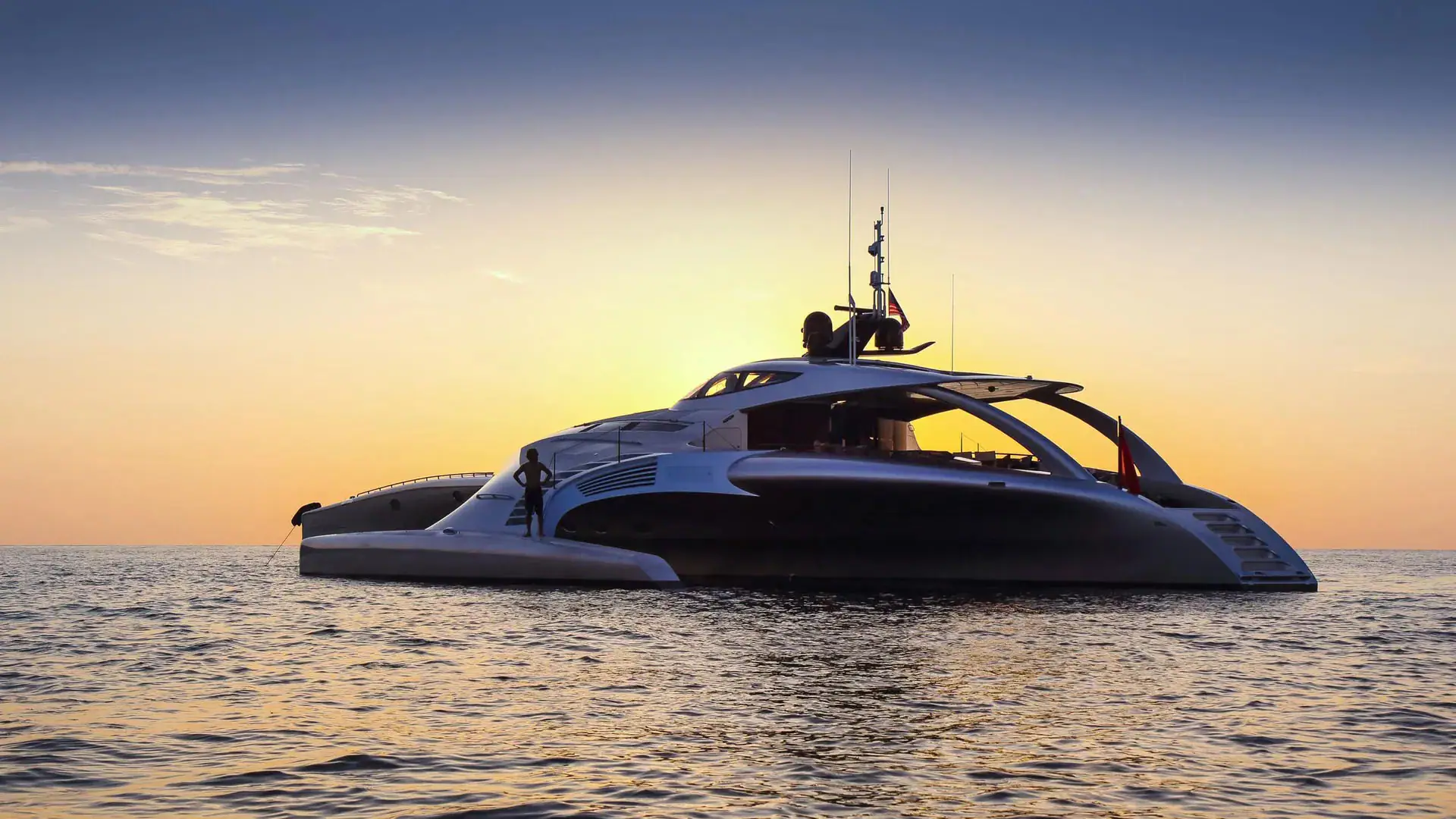
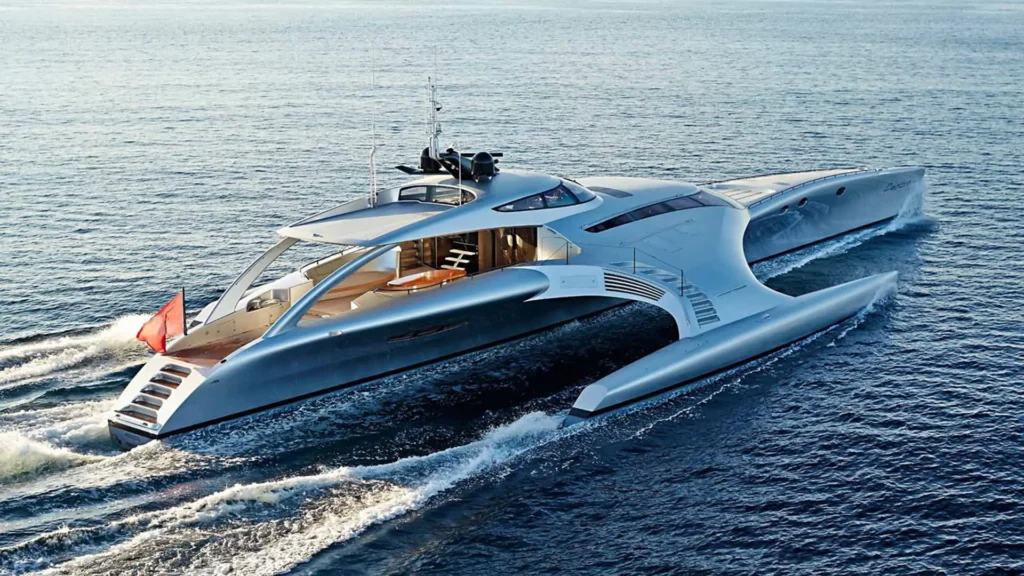
    The Adastra luxury yacht is a 42.5-meter trimaran conceived by McConaghy Boats and designed by John Shuttleworth Yacht Designs. From a visual standpoint, it looks like it belongs in a sci-fi film — an aerodynamic silhouette that seems to glide rather than sail. Built primarily from carbon fibre and Kevlar composites, its lightweight structure delivers exceptional fuel efficiency and reduced drag, enabling it to reach up to 22 knots while consuming significantly less fuel than traditional superyachts.

    Inside, Adastra’s innovation continues. The yacht features advanced automation systems, including remote iPad control, enabling the entire lighting, navigation, and climate system to be operated at the touch of a screen. Its panoramic interior and expansive windows not only create a futuristic ambience but also offer uninterrupted ocean views, seamlessly merging comfort and technology.

    Adastra vs. Other Avant-Garde Yachts: The Competition for the Future

    When compared to other contemporary superyachts like Aviva, Project X, or the Dynamiq GTT 160, Adastra takes a more radical approach to futuristic design.

    • Aviva emphasises luxury and technology integration, with a private padel court and a hybrid propulsion system, while maintaining the traditional monohull aesthetic.
    • Project X showcases architectural sophistication, offering a modern yet classical form factor focused on onboard experience rather than exterior experimentation.
    • The Dynamiq GTT 160, designed in collaboration with Porsche Studio, embodies automotive-inspired elegance with hybrid performance while maintaining a familiar superyacht silhouette.

    In contrast, Adastra challenges convention entirely. Its tri-hull design, aerospace materials, and efficiency-first engineering make it one of the most visually distinct and technically advanced yachts ever created. It prioritises hydrodynamics over traditional form, making it a benchmark for next-generation marine architecture.

    How Innovation Drives Sustainability and Performance

    What sets futuristic yachts like Adastra apart is their commitment to sustainability without sacrificing luxury. The use of lightweight carbon fibre not only improves speed and stability but also minimises fuel consumption. The trimaran hull reduces drag, allowing for long-range travel of up to 10,000 nautical miles — ideal for an Indonesia voyage or transoceanic adventures.

    Yacht design experts from journals like Boat International and SuperYacht Times praise Adastra’s efficiency as “a triumph of hydrodynamic innovation,” proving that environmental awareness can coexist with indulgent design.

    Even within the world of the Yacht Club Indonesia and high-end yacht charter fleets, Adastra’s technology-forward construction has inspired a new wave of luxury yacht engineering—one that values intelligent efficiency as much as opulent comfort.

    Expert Perspective on the Future of Yachting

    In a statement from the Shuttleworth Design Studio, lead designer John Shuttleworth explains,

    “Adastra was built to challenge convention to prove that efficiency and beauty can sail together. We designed her not just for performance, but for endurance, innovation, and the spirit of exploration.”

    His vision reflects a broader movement in the luxury yacht industry, where design is no longer just about aesthetics but about purpose, progress, and planetary consciousness.

    Adastra, the Blueprint for Tomorrow’s Yachts

    The Adastra luxury yacht is not just a vessel; it’s a manifesto of what marine design can become when art, science, and sustainability unite. As the yachting world embraces intelligent engineering and environmental awareness, Adastra stands as the benchmark for innovation, inspiring the next generation of seafarers and designers alike. Whether compared to Aviva, Project X, or Dynamiq, it remains the ultimate symbol of visionary craftsmanship and futuristic elegance.

  • How Community Shapes Your Healthy Lifestyle Choices

    How Community Shapes Your Healthy Lifestyle Choices

    0Shares

    Living a healthy lifestyle goes beyond diet plans and exercise routines. It is also deeply shaped by the people around us. From family and friends to local groups and online communities, your environment and social connections play a significant role in guiding your healthy lifestyle choices. When you surround yourself with supportive people who share similar values, staying consistent with your health goals becomes easier and more enjoyable.

    The Power of Social Influence

    Humans are social creatures, and our habits often mirror those of the people closest to us. If your friends prioritize balanced meals, regular workouts, and mindful living, you are more likely to adopt similar behaviors. On the other hand, being in a group where unhealthy patterns prevail can make it more challenging to adopt good habits. Recognizing this influence helps you make intentional, healthy lifestyle choices by engaging with communities that inspire and motivate you.

    Motivation Through Accountability

    One of the strongest benefits of community is the accountability it fosters. Joining a fitness class, a running club, or even a healthy cooking group creates a sense of responsibility. When you know others are expecting your participation, you are more likely to show up and stay consistent. This accountability system can help transform health practices from short-term goals into sustainable routines.

    Shared Knowledge and Resources

    Communities also provide access to valuable knowledge and expertise. For example, local wellness groups often share recipes, exercise tips, or mindfulness techniques. Online communities allow you to connect with people worldwide who can offer encouragement and new perspectives. By tapping into collective wisdom, you gain practical insights that make healthy lifestyle choices easier to maintain.

    Emotional Support and Connection

    Health is not just physical—it’s also emotional. Being part of a supportive community fosters a sense of belonging, which has a direct impact on your overall well-being. Research indicates that individuals with robust social networks tend to experience lower stress levels, enhanced immune function, and improved mental well-being. Whether it’s celebrating small wins or navigating setbacks, communities provide the emotional support needed to stay resilient.

    Building a Healthy Lifestyle Through Local Engagement

    Engaging with your local community can also promote better health. Farmers’ markets, group yoga sessions in the park, or neighborhood walking clubs encourage both social interaction and healthier habits. When you participate in these activities, you are more likely to naturally integrate wellness into your daily life. Additionally, you’ll be contributing to a culture of health that benefits everyone in the community.

    Choosing the Right Community

    Not every group will support your journey. It’s important to choose communities that align with your values and goals. Seek out those who encourage balance, positivity, and growth. This might mean joining a book club focused on mindfulness, connecting with a cycling group, or engaging with online wellness forums. The right community will inspire and uplift you, making your healthy lifestyle journey more sustainable.

    Your health journey is not meant to be walked alone. Surrounding yourself with supportive people can significantly influence your healthy lifestyle choices. From accountability and shared resources to emotional encouragement, communities offer the foundation for long-term wellness. By intentionally connecting with groups that promote balance and growth, you’ll find that a healthy lifestyle becomes not only achievable but also deeply fulfilling.

  • Top Reasons Divers Choose Fenides Liveaboard for Their Indonesia Adventure

    Top Reasons Divers Choose Fenides Liveaboard for Their Indonesia Adventure

    3Shares

    Indonesia is home to some of the world’s most extraordinary dive sites, such as Raja Ampat, Komodo, the Banda Sea, and beyond. For divers who want to experience these marine wonders in both comfort and style, Fenides Liveaboard has become a top choice. This luxury phinisi yacht blends traditional craftsmanship with modern amenities, offering guests more than just diving; it provides a full-scale adventure at sea.

    Here are the top reasons why divers choose Fenides Liveaboard for their Indonesia journey.

    1. Spacious Luxury with Fewer Guests Onboard

    One of the standout features of Fenides Liveaboard is its exclusivity. With just five cabins, the yacht accommodates around 10 to 11 guests at a time. This limited capacity ensures a more intimate atmosphere, far from the crowded feel of larger liveaboards. Divers enjoy personalized attention, more space in common areas, and the freedom to relax without competing for comfort. For those seeking privacy and exclusivity, Fenides is the perfect fit.

    2. Curated Dive Itineraries Across Iconic Destinations

    Indonesia’s marine biodiversity is second to none, and Fenides Liveaboard takes guests directly to the heart of it. The yacht offers curated itineraries through world-class destinations such as:

    • Raja Ampat – Known as the global epicentre of marine biodiversity, home to vibrant coral reefs and over 1,300 species of fish.
    • Komodo National Park – Famous for thrilling currents, manta rays, sharks, and dramatic underwater landscapes.
    • The Banda Sea – Renowned for its hammerhead shark encounters and untouched dive sites.
    • Alor and Halmahera – Remote regions where divers can enjoy rich marine life with minimal crowds.

    Each trip is designed to maximize underwater exploration while leaving time for relaxation, land excursions, and even water sports like kayaking or paddleboarding.

    3. Unlimited Adventure with Nitrox Included

    For experienced divers, Nitrox (enriched air) is a major benefit. Fenides Liveaboard includes Nitrox in its dive packages, allowing guests to extend bottom times, shorten surface intervals, and reduce fatigue. With multiple dives offered each day, including dawn and night dives, having Nitrox available ensures divers can fully enjoy the rich underwater offerings of Indonesia while maintaining safety and energy levels.

    4. High Crew-to-Guest Ratio for Personalized Service

    Service is where Fenides truly shines. The yacht operates with a high crew-to-guest ratio, meaning every detail of your trip is carefully managed. From dive guides and chefs to cabin attendants and boat tenders, the team ensures that all needs are met promptly and professionally. Divers benefit from attentive dive briefings, assistance with gear, and seamless logistics between sites. Outside the water, guests enjoy curated dining experiences, comfortable cabin service, and expert guidance for excursions.

    5. Comfort Beyond Diving: Cabins, Lounges, and Dining

    While diving is the main attraction, Fenides makes sure that life onboard is equally memorable. The cabins are spacious, air-conditioned, and equipped with en-suite bathrooms, creating a boutique hotel feel at sea. Common areas include a stylish indoor lounge with media facilities, open-air dining spaces, and sun decks perfect for stargazing after a long day of diving. Meals are crafted by skilled chefs, often blending Western favorites with Indonesian flavors, ensuring every dining experience is a highlight.

    6. Dedicated Space for Photographers

    Underwater photographers will find Fenides particularly appealing. The yacht provides a dedicated camera and editing room, complete with charging stations and workspace. With such a high level of biodiversity in Indonesia’s waters, ranging from pygmy seahorses to whale sharks, having a professional setup onboard makes capturing the perfect shot easier and more enjoyable.

    7. Beyond Diving: Surfing, Kayaking, and Island Adventures

    Fenides isn’t just about scuba diving. Guests often enjoy additional activities such as surfing in remote Indonesian breaks, kayaking through calm lagoons, or exploring uninhabited islands. Beach barbecues, cultural excursions, and yoga sessions can also be part of the itinerary. This variety makes the liveaboard appealing to divers traveling with non-diving partners or those who want a balance between underwater exploration and topside adventure.

    8. Eco-Conscious and Sustainable Voyages

    As luxury as Fenides is, it also emphasizes sustainability. By supporting marine park fees and promoting responsible tourism practices, the yacht contributes to the preservation of Indonesia’s fragile ecosystems. Divers can feel confident knowing their adventure supports conservation while they explore the world’s most biodiverse waters.

    The Perfect Blend of Diving and Luxury

    Choosing Fenides Liveaboard means more than booking a dive trip it’s opting for an immersive adventure that blends luxury, exclusivity, and world-class service. With Nitrox included, fewer guests onboard, curated itineraries, and a dedicated crew, divers can focus on what matters most: exploring Indonesia’s spectacular underwater world. For those planning their next dive holiday, Fenides offers the perfect balance of adventure and indulgence.