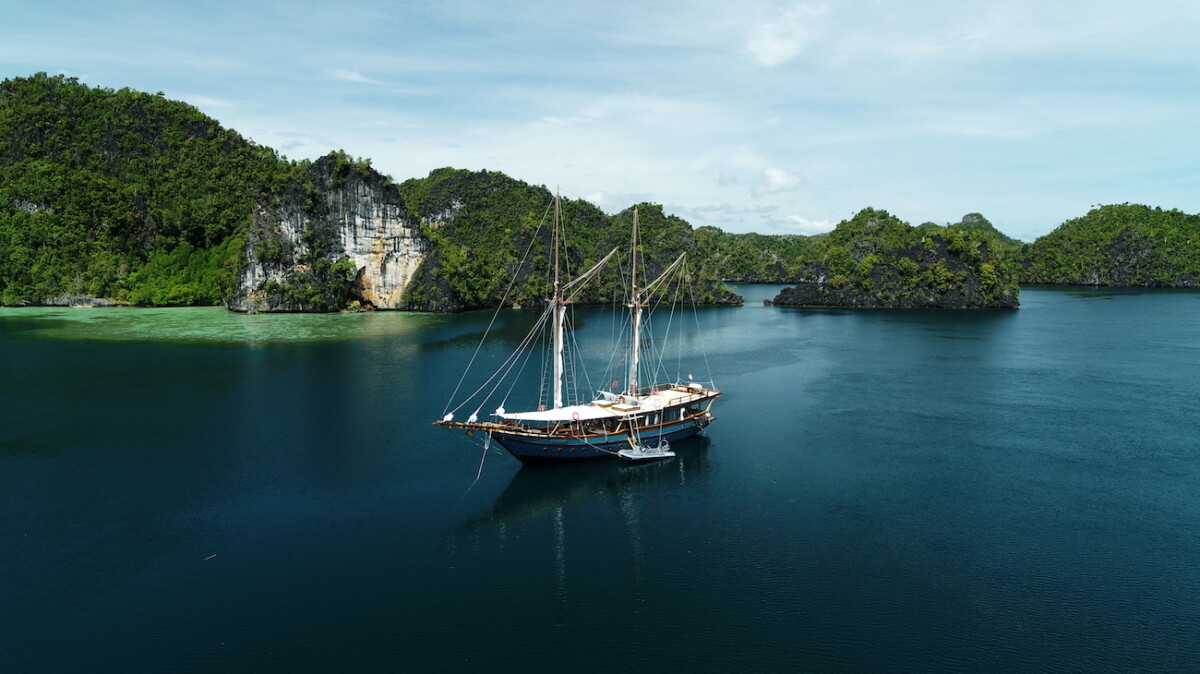
Planning a Komodo Liveaboard between December and March, and wondering if it’s a bad idea? You’re not alone. The rainy season in Komodo National Park raises many questions: rough seas, cancelled dives, cloudy skies. But is it actually a mistake?
The short answer: not necessarily. For budget-conscious travelers and last-minute planners, the rainy season can actually offer surprising advantages if you know what to expect.
Let’s break it down realistically.
What is the rainy season in Komodo?
The rainy season typically runs from December through March, with January and February being the wettest months.
Important to understand:
- It does not rain all day, every day.
- Showers are often short and tropical.
- The weather can shift quickly.
Many travelers imagine constant storms. In reality, you’ll often get sunny mornings followed by passing afternoon showers.
Read Also Can Komodo Tour Package Operators Help Protect Labuan Bajo’s Marine Views from Excessive Jetties?
Realistic Sea Conditions (What Nobody Sugarcoats)
The west monsoon winds influence sea conditions during the rainy season.
Here’s what that means:
- Northern routes may experience more wind exposure.
- Some crossings can be bumpier than the peak dry season.
- Visibility may drop slightly after heavy rain.
- Currents remain strong (this doesn’t change seasonally).
However:
- Professional crews adjust routes daily.
- Boats rarely cancel unless safety demands it.
- Modern vessels are designed for these conditions.
If you’re prone to seasickness, bring medication. But for most guests, the experience remains comfortable.
This is especially true on a well-operated Komodo Liveaboard, where captains adapt itineraries to prioritize safety and dive quality.
What Changes in the Itinerary?
Rainy season doesn’t mean “less Komodo.” It just means flexibility.
Possible changes include:
- Adjusting from North to Central sites
- Swapping exposed dive sites for sheltered reefs
- Modifying sunset hike timing
- Shortening long open-water crossings
Instead of sticking rigidly to one route, captains may explore:
- More protected bays
- Alternative manta cleaning stations
- Less crowded reef systems
This adaptability can create a more personalised experience than fixed peak-season schedules.
The Big Advantage: Fewer Crowds
Here’s where the rainy season shines.
Between December and March:
- Fewer boats operate
- Dive sites feel quieter
- Viewpoints like Padar Island are less crowded
- Beaches feel more exclusive
If you’re comparing a rainy-season liveaboard to a standard Komodo boat tour, the difference in crowd levels is dramatic.
Less competition at dive sites means:
- Longer, more relaxed dives
- Better wildlife encounters
- Cleaner photo opportunities
For photographers and serious divers, this is a huge plus.
Better Manta Ray Encounters?
Many divers don’t realise this: manta sightings often improve during the rainy season.
Why?
- Plankton increases with seasonal changes.
- Nutrient-rich waters attract feeding mantas.
- Cleaning stations remain active.
December to February can be excellent for manta encounters — sometimes even better than dry season months.
If your dream Komodo trip includes manta rays, the rainy season may actually work in your favor.
Pricing & Availability Benefits
The rainy season is attractive for:
- Budget-conscious travelers
- Last-minute planners
- Flexible remote workers
You’ll often find:
- Promotional pricing
- More cabin availability
- Easier booking windows
- Potential upgrades
Compared to peak-season komodo yacht charter pricing, rainy season rates can be significantly lower while delivering similar dive quality.
For travelers planning a broader Indonesia journey, combining a Flores tour before boarding this season offers better logistical flexibility as well.
Is It Safe to go during the rainy season?
Safety standards remain consistent year-round.
What matters more than season:
- Crew experience
- Boat maintenance
- Safety equipment
- Dive briefings
- Oxygen availability
- Weather monitoring systems
A professionally operated Komodo Liveaboard will always prioritize safety over schedule.
Storm forecasts are monitored daily, and itineraries are adjusted accordingly.
Who Should Go During the Rainy Season?
The rainy season is ideal if you:
- Want fewer crowds
- Prefer better pricing
- Have flexible travel dates
- Don’t mind occasional tropical showers
- Care more about diving than perfect Instagram skies
It may not be ideal if:
- You are extremely prone to seasickness
- You require perfectly calm seas
- You want guaranteed blue-sky photography daily
But for many travelers, it’s far from a mistake.
Rainy Season vs Dry Season: Quick Comparison
| Factor | Rainy Season (Dec–Mar) | Dry Season |
| Crowds | Low | High |
| Pricing | Lower | Premium |
| Sea Conditions | Variable | More stable |
| Manta Sightings | Excellent | Very good |
| Availability | Flexible | Limited |
Final Verdict: Is It a Mistake?
No — it’s a strategic choice.
The rainy season in Komodo is not about compromise. It’s about trade-offs.
You exchange:
- Perfectly calm seas
For:
- Fewer boats
- Better pricing
- Strong manta activity
- Greater flexibility
If you approach it with realistic expectations, the experience can be equally unforgettable.
Before booking any Komodo tour, always ask operators about seasonal route adjustments and weather contingency plans.
Because the truth is, Komodo’s underwater world doesn’t shut down when the rain starts.
It simply becomes quieter.