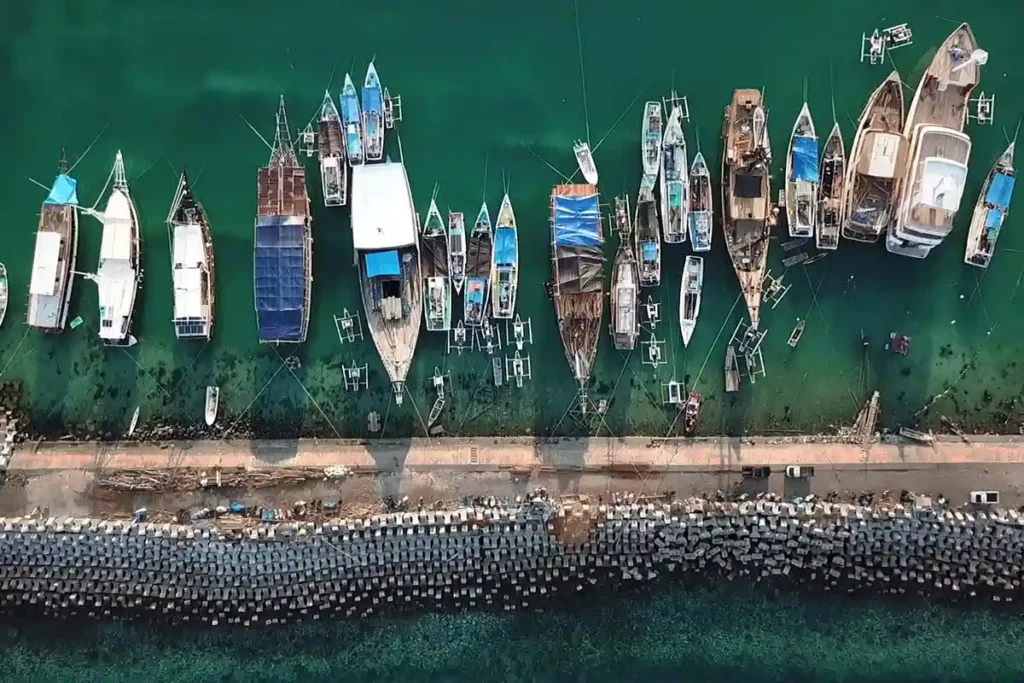
Labuan Bajo’s popularity as the gateway to Komodo Island has spiked in recent years, thanks to its status as a National Tourism Strategic Area and a hub for Komodo tour package offerings that combine wildlife encounters with marine adventures. However, as more hotels and private operators build jetties and coastal infrastructure to cater to visitors, local authorities and community advocates are questioning whether these developments are compromising the area’s scenic marine views, a key draw for visitors booking Komodo liveaboard cruises, Komodo boat tour experiences, and broader Flores tour itineraries.
In this context, Komodo tour package operators have a unique opportunity to promote sustainable coastal planning that preserves the very aesthetics that make these packages attractive in the first place.
The Rise of Coastal Infrastructure and Aesthetic Concerns
Labuan Bajo’s rapid transformation from a fishing port to a tourism powerhouse has driven accelerated infrastructure development, including hotels, docks, and marinas to support an influx of international travellers. While this expansion attracts investment and boosts local revenue, it also raises legitimate concerns about overtourism and environmental impact. Excessive private jetties, for example, may disrupt public coastal access and detract from the natural beauty guests expect when booking a Komodo tour package.
Visual pollution along the shoreline beachfront structures, piers jutting into the sea, and poorly coordinated boat facilities can diminish a visitor’s experience long before they reach the iconic sights of Komodo Island or embark on a Komodo liveaboard adventure. This visual fragmentation also stands in contrast to Labuan Bajo’s designation in national tourism strategies that emphasise sustainable development and the preservation of scenic values.
Tour Operators as Steward Advocates
Tourism operators serving guests on Komodo tour packages are uniquely positioned to champion coastal protection. Many companies rely on the region’s natural beauty, clear waters, dramatic seascapes, and unspoiled vistas to sell experiences such as daily snorkeling excursions, diving cruises, and Komodo boat tours. By advocating for planning practices that limit haphazard jetty construction and ensure visually sensitive infrastructure design, operators can protect their business’s long‑term prospects while strengthening their environmental credentials.
This advocacy can take tangible forms:
- Industry Partnerships for Scenic Guidelines: Local operators can collaborate to develop voluntary standards for dock and jetty aesthetics that align with regional planning policies and tourism branding. Doing so helps ensure that facilities enhance, rather than intrude upon, coastal views.
- Community Engagement Initiatives: Operators can facilitate forums where residents, business owners, and authorities discuss coastal development concerns and promote solutions that balance economic and aesthetic interests.
- Sustainable Tour Messaging: By integrating environmental stewardship into marketing materials, tour guides, and boarding protocols, companies can raise visitor awareness about responsible enjoyment of marine environments.
Boosting Conservation Through Responsible Tourism
Responsible tourism frameworks increasingly recognize that protecting scenery is not just cosmetic, it’s economical. Clean, attractive marine vistas directly contribute to longer stays, repeat bookings, and positive travel reviews, all of which are critical for Komodo liveaboard operators and Komodo tour package providers. This aligns with broader national goals that position areas like Labuan Bajo as super‑priority tourist regions under development plans.
Moreover, sustainable coastal planning strengthens the appeal of growth sectors such as Flores tour offerings and diving cruises that explore healthy reef systems and vibrant marine biodiversity. A visible commitment to environmental protection can also help differentiate locally rooted operators from unscrupulous agents or unlicensed activities, which have at times raised safety and ecological concerns in the region.
Actionable Steps for Operators and Partners
At the bottom of the funnel, where travelers decide which Komodo experience to book, environmental leadership can become a competitive advantage. Hello Flores, for example, is among the local services that highlight responsible travel options and community engagement as part of its booking and experience design, ensuring that tourism growth supports both ecological integrity and visitor satisfaction.
Tour operators and local stakeholders can push for municipal regulations that:
- Incentivize aesthetic design standards for coastal developments.
- Restrict construction that blocks public views or limits access.
- Promote shared dock facilities rather than fragmented private jetties.
- Integrate scenic protection measures into maritime development plans.
By doing so, the tourism sector not only preserves the beauty that draws travelers but also protects the long‑term viability of Komodo tour packages, Komodo liveaboard, and Komodo boat tour experiences that depend on unspoiled seascapes.