Category: Lifestyle

  • Teaching Kids Healthy Habits for Life: A Guide to Raising Health-Conscious Children

    Teaching Kids Healthy Habits for Life: A Guide to Raising Health-Conscious Children

    Building healthy habits in childhood is one of the most important gifts parents can give their children. The foundation of a wellness-focused upbringing helps set the stage for a lifetime of good health. From balanced nutrition to physical activity and mental well-being, teaching kids these habits early on can lead to long-term success in leading a healthy, active lifestyle. Here’s how to cultivate habits that will benefit your child for years.

    Lead by Example

    Children learn best through observation. As a parent, you’re your child’s most influential role model. If you prioritize healthy habits, your child will likely follow suit. Start by maintaining a balanced diet, staying active, and managing stress positively. Whether choosing nutritious meals, enjoying outdoor activities, or practicing mindfulness, showing your child that wellness is a lifestyle rather than a goal will leave a lasting impression.

    Encourage Nutritious Eating

    One of the most essential healthy habits is eating a balanced diet. Encourage your children to consume fruits, vegetables, whole grains, and lean proteins. Involve your kids in the cooking process to make mealtime enjoyable and engaging. When children take part in preparing their meals, they become more invested in their food choices. You can also make healthy snacks more appealing by offering colorful and creative options, such as fruit salads, veggie sticks with hummus, or homemade smoothies.

    Also, read How To Stay Active When You Are Not Motivated

    Establish Physical Activity Routines

    Physical activity is crucial for sustaining a healthy way of living. Children should aim for at least an hour of physical activity each day. Still, it doesn’t necessarily have to involve structured workouts. Incorporate movement into everyday activities. Take family walks, bike rides, or have a dance party in the living room. Make fitness fun and a natural part of daily life. When kids associate physical activity with enjoyment, they’re more likely to develop a lifelong love for movement.

    Physical Activity kids Routines for healthy habits

    Prioritize Sleep and Rest

    Adequate sleep is vital for children’s development, mood regulation, and overall health. Establishing a consistent bedtime routine helps kids understand the importance of rest. Make sure your child has a cozy sleep environment and steers clear of screens before bedtime. Promote relaxation techniques, such as reading a book or doing deep breathing exercises, to help them settle down. Healthy sleep habits foster better concentration, emotional stability, and energy for daily activities.

    Teach Emotional Well-Being

    Teaching kids how to handle emotions is as important as encouraging physical health. Help your children understand and express their feelings in healthy ways. Activities like journaling, talking about their day, or practicing mindfulness can be practical tools for emotional development. When children feel equipped to manage their emotions, they can better cope with life’s challenges, leading to improved mental health and resilience.

    Foster Healthy Relationships and Social Skills

    Forming and maintaining positive relationships is vital to a child’s overall wellness. Teach your kids the value of kindness, respect, and communication. Please encourage them to engage in social activities, whether playing with friends or participating in group activities like sports or clubs. A strong social support system contributes to a healthy mind and reduces feelings of isolation or stress.

  • Flying Safely With These Important Safety Tips

    Flying Safely With These Important Safety Tips

    There are many ways you can travel from one place to another. However, airplanes are by far considered the safest form of transportation. Traveling by plane is also considered more efficient because you won’t get stuck in traffic, just like when you take the bus. There are just several tips for flying safely on your vacation.

    Keep yourself flying safely during a flight.

    However, there is a rise in concern due to various incidents that have happened to airlines, which make travelers hesitant to fly. Thus, it’s essential to be prepared and know how to increase your chance of survival in an in-flight emergency. 

    Keep your seatbelt fastened.

    There will be times throughout the flight when you see the seatbelt sign-off. However, that doesn’t mean it should be. It’s best to keep your seatbelt fastened during your flight to protect yourself from unexpected turbulence. The buckle strap belt with a lock is to be secure with precautions when arriving on the plane. This way, you won’t be flown away when unexpected clear air turbulence happens. 


    Read More:

    Exploring The World Through Solo Travel Groups

    Travel Hacks: 15 Tips to Make Your Journey Stress-Free


    Pay attention to the pre-flight safety briefing.

    For frequent flyers, it’s easier to tune out the pre-flight safety briefing given by the flight attendants. However, it’s not wise to do it, no matter how seasoned you are with flying. The type of aeroplane you are flying determines how the safety briefing is presented. Hence, it’s best to listen carefully and learn the location of exits and other crucial information. You can also read and study the safety briefing card in your seatback. 

    Keep your child safe.

    Traveling with a child requires more attention to safety. Make sure to use an approved child seat for kids. It helps protect your child from unexpected turbulence or incidents. Putting them in your lap is not the safest option. It’s strongly recommended that you buy a ticket for your child so you can use a child restraint system (CRS) to ensure your child’s safety.

    Analyze your surroundings

    Once you sit in your seat, take a moment to look around and analyze your surroundings. Find where the exit is and count the rows to the closest emergency exit. Knowing how many seats stand between you and the exit will help you feel your way out of the plane, even if visibility is nonexistent. Also, keep your shoes so you are always ready to flee. 

  • Harmony in Bali: Join a Gamelan Workshop for a Musical Adventure

    Harmony in Bali: Join a Gamelan Workshop for a Musical Adventure

    Embark on a journey of cultural immersion and musical exploration as you delve into the enchanting world of the Balinese gamelan workshop. Immerse yourself in the rhythmic symphony of this ancient ensemble, where the intricate interplay of percussive instruments creates a harmonious tapestry of sound that has captivated audiences for centuries.

    Unveiling the Beauty of Balinese Gamelan

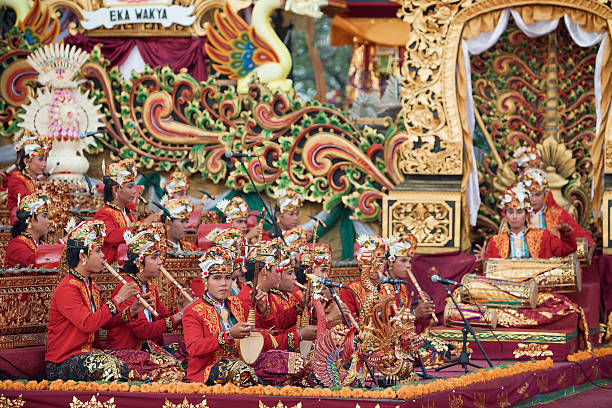
    Gamelan, a traditional ensemble of music originating from Java and Bali, is a captivating blend of percussion, gongs, and metallophones. Its mesmerizing melodies and rhythmic patterns have been an integral part of Balinese culture for centuries, accompanying ceremonies, celebrations, and daily life.

    1. A Symphony of Percussion

    At the heart of gamelan lies a rich collection of percussion instruments, each contributing to the unique timbre and rhythmic complexity of the ensemble. The bonang, a set of small gongs, provides a rhythmic foundation, while the kendang, a double-sided drum, orchestrates the tempo and adds dynamic accents.

    2. Melodic Charm of Metallophones

    The melodic backbone of gamelan is provided by metallophones, instruments with tuned metal bars that are struck with mallets. The most prominent metallophone in Balinese gamelan is the gender, a series of bronze bars arranged in a double row.

    Embarking on a Musical Journey

    Joining a gamelan workshop in Bali offers an unparalleled opportunity to immerse yourself in this fascinating musical tradition. Under the guidance of experienced gamelan musicians, you’ll learn the intricacies of playing various instruments, delve into the theory and scales of gamelan music, and experience the joy of creating music with fellow enthusiasts.

    1. Learning the Instruments

    Whether you’re a seasoned musician or a complete novice, gamelan workshops are designed to accommodate all levels of experience. You’ll receive personalized instruction on your chosen instrument, gaining hands-on experience in the techniques and rhythms of gamelan music.

    2. Exploring the Theory and Scales

    Delve into the fascinating world of gamelan music theory, understanding the unique scales and melodic structures that set it apart from other musical traditions. Learn about the concept of pattern, a rhythmic pattern that forms the foundation of gamelan compositions.

    3. The Joy of Ensemble Playing

    The true essence of gamelan lies in the harmonious interplay of its instruments. As you progress in your workshop, you’ll have the opportunity to join a gamelan ensemble, playing alongside experienced musicians and fellow learners.

    Read More Articles:

    Camping with a View: Bali’s Most Picturesque Spots

    Uncover Merapi’s Beauty: Volcano Tourism

    Cultural Immersion and Beyond

    Beyond the musical experience, gamelan workshops provide a rich cultural immersion, offering a glimpse into the traditions and values of Balinese society.

    1. Understanding the Role of Gamelan in Balinese Culture

    Gamelan is deeply embedded in Balinese culture, playing a significant role in ceremonies, celebrations, and daily life. Through the workshop, you’ll gain a deeper understanding of the cultural context and significance of gamelan music.

    2. Interacting with Local Musicians

    Participate in interactive sessions with local gamelan musicians, learning about their musical journey, their connection to the tradition, and their insights into the world of gamelan.

    3. Experiencing the Rhythm of Life in Bali

    Immerse yourself in the rhythm of life in Bali, exploring local markets, witnessing traditional dances, and savoring the flavors of Balinese cuisine.

    Preserving a Musical Legacy

    Gamelan is more than just music; it is a cultural treasure, and a living legacy passed down through generations. By participating in a gamelan workshop, you play a role in preserving this unique tradition for future generations.

    1. Sharing the Experience

    Share your gamelan experience with others, spreading awareness about this captivating musical tradition and encouraging others to explore its beauty.

    2. Contributing to Cultural Preservation

    Your participation in gamelan workshops supports local musicians and contributes to the preservation of this important cultural heritage.

    A Transformative Experience

    A gamelan workshop in Bali is a transformative experience, offering a harmonious blend of musical exploration, cultural immersion, and personal growth. As you learn the intricacies of this ancient ensemble music, you’ll gain a profound appreciation for the rich cultural heritage of Bali and the enduring power of music to connect people across cultures.

  • Traditional Fishing Lessons During Your Komodo Tour

    Traditional Fishing Lessons During Your Komodo Tour

    UNESCO-listed Komodo National Park is famed for its breathtaking scenery, varied wildlife, and vibrant cultural legacy, attracting global recognition. Beyond the thrilling adventures of spotting Komodo dragons, traversing vibrant underwater ecosystems, and basking in the breathtaking scenery, the Komodo tour offers a unique opportunity to immerse yourself in the traditional fishing practices of the local communities.

    Join us as we delve into the world of traditional fishing techniques passed down through generations of Komodo’s skilled fishermen. Embark on a journey of cultural immersion and fishing expertise, where you’ll gain hands-on experience in various methods, discover the significance of sustainable fishing practices, and uncover the deep connection between the local people and the sea.

    Delving into the World of Traditional Fishing Techniques

    1. Spearfishing: A Test of Precision and Skill

    Spearfishing, a technique deeply rooted in Komodo’s history, is a captivating aspect of the Komodo tour. It involves hunting underwater fish using a spear. Observe local fishermen expertly navigating calm waters, poised with precision as their spears aim for the catch in tranquil surroundings. Learn the art of spearfishing, mastering the art of breath-holding, underwater stealth, and accurate targeting.

    2. Fishing Nets: Casting a Wider Net for Abundance

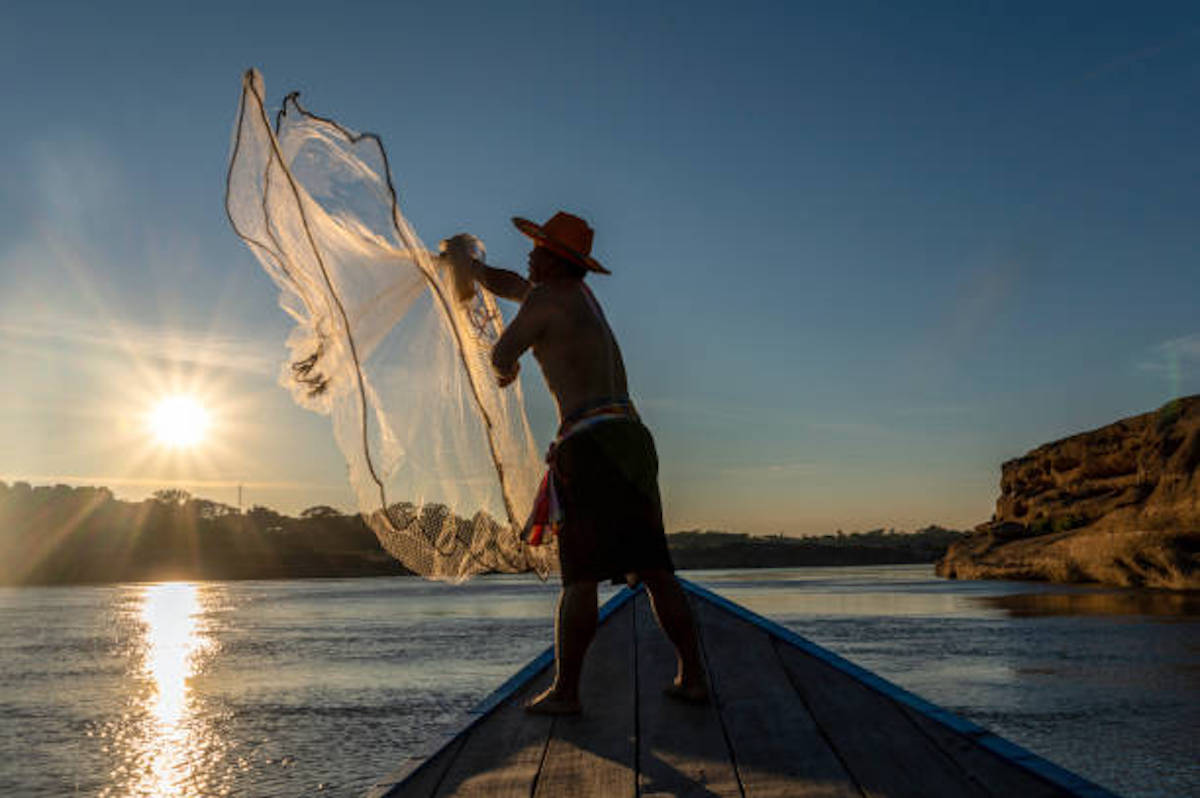
    The rhythmic swaying of fishing nets cast into the shimmering waters is a familiar sight along the shores of Komodo. Experience a traditional fishing adventure, mastering the art of net fishing, from skillful knotting to expertly casting into the sea. Experience the thrill of reeling in a bountiful catch, using techniques honed over centuries.

    3. Trap Fishing: A Passive Approach with Surprising Results

    Explore trap fishing’s captivating world—a passive yet effective method, capturing diverse marine life awaits your immersive discovery. Construct traditional fish traps using natural materials, learning the secrets of placement and timing. Witness the ingenuity of local fishermen as they skillfully collect their catch, revealing the surprising abundance of the traps.

    The Significance of Sustainable Fishing Practices

    1. Preserving the Delicate Balance of Marine Ecosystems

    As you engage in traditional fishing techniques, you’ll gain a deeper understanding of the importance of sustainable fishing practices. Discover how local communities have long respected the delicate balance of marine ecosystems, employing methods that minimize environmental impact. Learn about the techniques used to avoid overfishing and protect the natural resources that sustain their livelihoods.

    2. Embracing Responsible Fishing for Future Generations

    Embrace the concept of responsible fishing during your Komodo tour, ensuring that the abundance of marine life is preserved for future generations. Learn about the significance of size and species restrictions, which prevent the exploitation of juvenile fish and protect endangered species. Contribute to the conservation efforts of the Komodo National Park, ensuring that the pristine marine environment remains a source of sustenance and cultural heritage.


    Read More Articles:

    The Enchanting Season of Raja Ampat Liveaboard

    Maximizing Your Komodo Liveaboard Experience: Tips and Tricks to Know Before You Go


    Unveiling the Deep Connection Between the Local People and the Sea

    1. Fishing as a Way of Life

    Traditional fishing is more than just a means of subsistence for the local communities of Komodo; it is a way of life deeply embedded in their culture and traditions. Engage with the fishermen, hear their stories, and learn about the role of fishing in their daily lives. Understand the profound connection between the people and the sea, a bond that has been passed down through generations.

    2. Respecting the Traditions and Harmony with Nature

    As you embark on your fishing adventure, embrace the local traditions and customs that have shaped Komodo’s fishing practices. Discover the rituals and beliefs that accompany traditional fishing, reflecting the deep respect for nature that is embedded in the local culture. Experience the harmony that exists between the fishermen and the sea, a testament to their profound connection with the natural world.

    3. Preserving a Cultural Heritage for Generations to Come

    By participating in traditional fishing lessons, you are not only acquiring a valuable skill but also contributing to the preservation of a rich cultural heritage. Please share your experiences with others, spreading awareness about the importance of traditional fishing practices and their role in preserving Komodo’s unique cultural identity.

    A Transformative Experience

    Your Komodo tour is an opportunity to delve into the fascinating world of traditional fishing, gain hands-on experience in various techniques, discover the significance of sustainable fishing practices, and uncover the deep connection between the local people and the sea. It is a transformative experience that will leave you with a newfound appreciation for the delicate balance of marine ecosystems, the importance of cultural preservation, and the profound connection between humanity and nature.

    In addition to the skills and knowledge you’ll gain, traditional fishing lessons offer a unique opportunity to connect with the local communities of Komodo, experience their way of life, and develop a deeper understanding of their rich cultural heritage. As you immerse yourself in the world of traditional fishing, you’ll discover a profound respect.

  • Silent Streets and Dark Skies: Experiencing Nyepi in Bali

    Silent Streets and Dark Skies: Experiencing Nyepi in Bali

    Nyepi, also known as the Balinese Day of Silence, is one of the world’s most unique and interesting festivals. It is a day of complete silence and inactivity in Bali, which falls on the Hindu New Year according to the Balinese calendar. The Balinese people celebrate this day with great fervour and has been an important part of their culture for centuries. In this article, we will take a closer look at Nyepi in Bali and how to experience this day in the best way possible.

    Understanding Nyepi

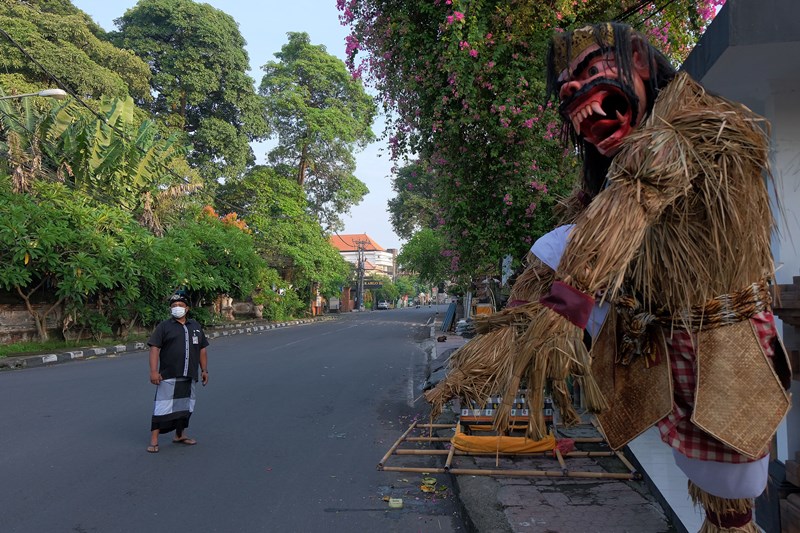
    Nyepi is a Hindu celebration that honours the start of the Saka year, the lunar new year in the Balinese calendar. Indonesians celebrate the day by performing various rituals, including creating large papier-mache statues known as Ogoh-ogoh, representing evil spirits. These statues are paraded around the streets the night before Nyepi, accompanied by loud music and dancing.

    The Day of Silence

    On the day of Nyepi, the entire island of Bali comes to a complete standstill. All lights are turned off, no vehicles are allowed on the roads, and no one can leave their homes. Even the airport is closed for the day. This is a time for reflection and introspection, as well as a time for the Balinese to show respect for the environment.

    PELAKSANAAN HARI RAYA NYEPI TAHUN BARU SAKA 1944 DI BALI

    Experiencing Nyepi

    Nyepi can be a fascinating experience for tourists, but it requires some preparation. If you plan to be in Bali during this time, you must ensure you have enough food and supplies to last you for the day. You may also want to consider booking a hotel that offers a Nyepi package, which includes meals and activities within the hotel.

    Activities During Nyepi

    Although there is no activity outside during Nyepi, there are still plenty of things to do within the confines of your hotel. Many hotels offer special Nyepi packages that include yoga classes, cooking classes, and other activities to keep guests entertained. Some hotels even have special rules during Nyepi, such as no talking or use of electronic devices.

    After Nyepi

    The day after Nyepi is called Ngembak Geni, which means “lighting the fire.” This day marks the end of the Day of Silence and the beginning of the new year. On this day, the Balinese people visit their friends and family to ask for forgiveness and start anew.

    In conclusion, experiencing Nyepi in Bali can be a unique and memorable experience. It is a day of silence and reflection, where the Balinese people respect their environment and the world around them. By understanding the significance of this day and preparing accordingly, tourists can enjoy this unique celebration and gain a deeper appreciation for the culture of Bali.

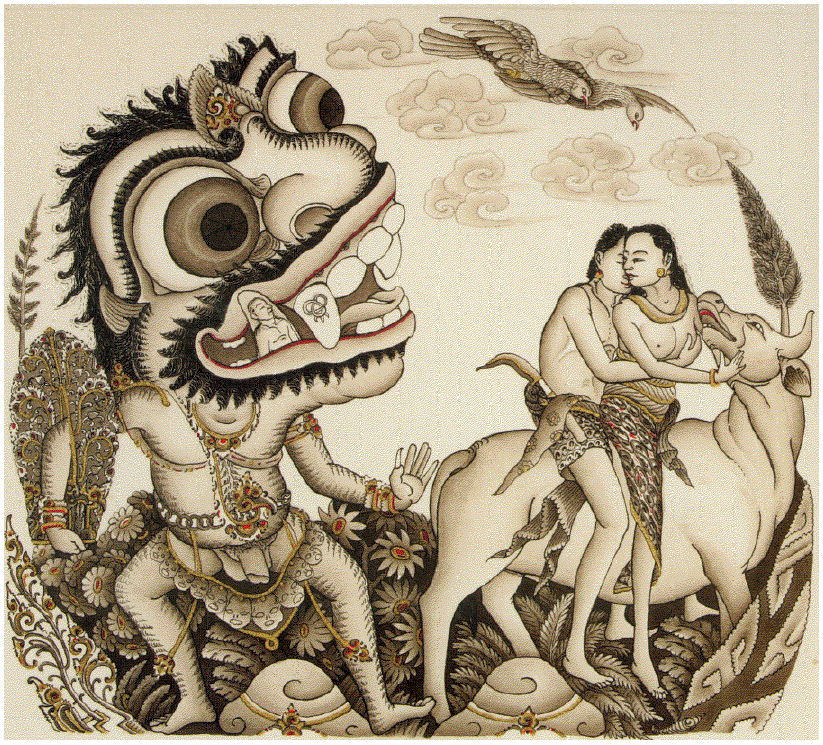
  • The Legacy of I Gusti Nyoman Lempad: A Master of Balinese Art and Culture

    I Gusti Nyoman Lempad was a renowned Balinese artist who lived through the turn of the 20th century until the 1970s. He contributed greatly to Balinese art and culture, earning the respect of his community as a highly respected and prolific artist and master craftsman. People can still find his works in Bali today. His legacy continues to inspire and influence the art and culture of the island.

    I Gusti Nyoman Lempad: A Master of Balinese Art and Culture

    Lempad’s Early Life and Artistic Beginnings

    I Gusti Nyoman Lempad was born in Bedulu, Bali, in 1862, when a series of kingdoms ruled Bali. As a child, I Gusti Nyoman Lempad’s family deeply rooted him in the traditional Balinese arts. From a young age, this culture immersed him. Encouragers motivated him to develop his artistic talents, and he quickly displayed an aptitude for drawing, painting, and sculpture. In his teenage years, Lempad began experimenting with different mediums and techniques. He became known for capturing the essence of Balinese life in his works.

    The traditional style of Balinese art heavily influenced Lempad’s early works. Characterized by intricate details, vibrant colours, and the use of gold leaf. Patrons who recognized his potential sought after him at a young age, as they recognized his artistic talent. As he continued to hone his craft, Lempad began experimenting with different styles and techniques and became increasingly interested in the human form.

    Lempad’s Influence on Balinese Art and Architecture

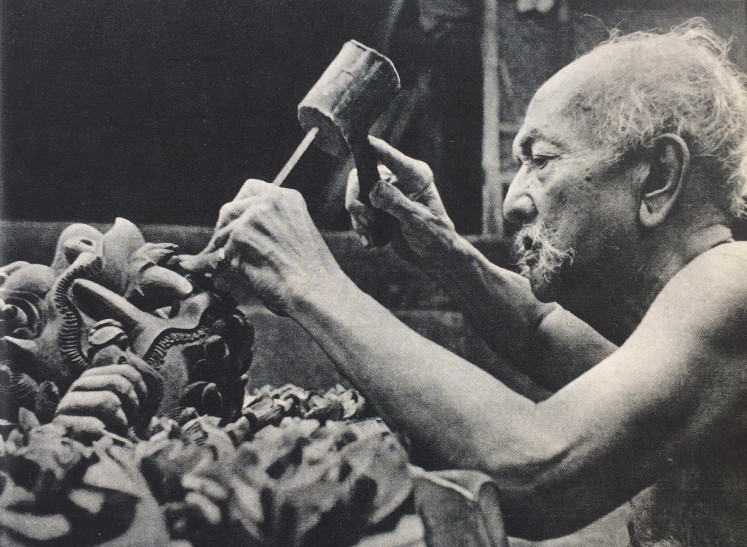
    Lempad was a master of Balinese art and architecture, and his work profoundly influenced both fields. His wood carvings, drawings, and paintings are characterized by simplicity and elegance that is unique to his style. In addition to his work as an artist, Lempad was also an accomplished architect and was responsible for designing several important Balinese temples and palaces.

    Lempad’s Collaboration with Western Artists

    Lempad’s work was not limited to traditional Balinese art forms, and he was open to collaboration with Western artists. He worked with Dutch artist Rudolf Bonnet on several projects, including restoring the Pura Besakih temple complex. I Gusti Nyoman Lempad’s work also influenced many Western artists, including Walter Spies, a prominent member of the Bali art scene in the 1930s.

    Lempad's Collaboration with Western Artists Rudolf Bonnet

    Lempad’s Lasting Legacy

    Many works of art and architecture bear witness to Lempad’s legacy. He created during his long and productive life. Many contemporary Balinese artists also show the influence of his work. Who continues to draw inspiration from his style and techniques. I Gusti Nyoman Lempad’s contributions to Balinese art and culture have ensured that he will be remembered as one of Bali’s greatest artists.

    Lempad’s Cultural Significance Today

    Lempad’s art and architecture are an important part of Balinese cultural heritage. Museums and galleries worldwide celebrate his work, and the annual Bali Arts Festival honors his legacy. Lempad’s influence on Balinese art and culture can be seen in the work of contemporary artists and architects, who continue to draw inspiration from his life and work.

  • About Sedentary Lifestyle And Its Negative Effects

    About Sedentary Lifestyle And Its Negative Effects

    Sedentary lifestyle has become widely adopted especially since the global pandemic hit. Sedentary lifestyle is a kind of lifestyle that involves more inactive activities such as sitting and laying down for long period of time. Meanwhile, adults need to be active for at least 150 minutes per week. By sitting and less active on your everyday life, various risks can be developed which may impact your physical and mental well-being. Lack of physical activity leads to a decrease in metabolism. Hence, it will affect the ability of body to control various functions. Here are several risks of adopting sedentary lifestyle:

    Obesity

    Obesity refers to a condition of excess weakness in the body caused by excessive calories in the body. Your body needs calories to turn them into energy. Meanwhile, calories are burned and turned into energy through physical activities. Lack of physical activities will result in excessive calories. Aside from being physically inactive, obesity also can be caused by various factors such as genes, overeating, and high consumption of fatty foods. 

    High cholesterol

    Cholesterol is fatty substance that can be found in every cell in the body. It is needed to produce hormones, digestive substances, as well as vitamin D. However, excess cholesterol can lead to plaques forming. Those plaques  stick to the walls of the arteries causing atherosclerosis and lead to coronary artery disease. It is when your blood flow is blocked by those plaques. When you are being inactive, your metabolism is decreased, causing cholesterol to get out of control. 

    High blood pressure

    Blood pressure refers to the force of your blood to push against artery walls. It can rise and fall to suit your body condition. Having high blood pressure over time can cause serious health problems such as stroke, heart attack, heart failure, and kidney failure. To keep your blood pressure in check, you need to avoid sedentary lifestyle and being more active instead. 

    Osteoporosis

    Osteoporosis can be caused by various factors including low bone mass. When this happens, your bones become brittle and break easily. Your bones become thin and weak and may lead to other serious health problems. Keeping yourself active is a must to improve your bone health. Don’t forget to get enough sunlight exposure to get vitamin D needed by your body.

    How to avoid sedentary lifestyle

    How to avoid sedentary lifestyle

    Sedentary lifestyle is highly against because it can cause various health problems instead. Hence, it is best to prevent from adopting sedentary lifestyle by doing activities such as:

    • Walk to work, school, or grocery store.
    • Stand up every 20 minutes, or opt for standing desk to do your work instead.
    • Do some household chores diligently to stay active and help burn more calories.
    • Exercise at home if you cannot go to the gym. You can use supplies you have at home such as yoga mat. 
    • Put your drinks far from your desk so you are forced to get up when feeling thirsty. And put the remote as far away as possible so you are forced to stand up and walk around more. 
  • Best Practices To Help Improve Mental Focus

    It is such a dream to be able to focus on our task all day long. However, it is only a dream because it is rather impossible to do so. Humans have limit and are easily distracted. Especially with how we are living in always-connected world where everything is just one click away. Hence, it is even more challenging to stay focused one one thing. 

    How to regain your focus

    It is important to have the ability to fully concentrate on something you are working on. It helps a lot for you to learn new things, perform more optimally, as well as achieve goals. It is possible for you to improve your mental focus by developing positive habits on daily basis. It is because building steady mental focus cannot be done overnight. So here are some tips to help you improve your mental focus:

    Assessing the strength of your mental focus

    It is important to figure out your strength of mental focus first before trying any efforts to improve it. If you find it easy to stay alert, set goals and break tasks up into smaller parts and know when to take short breaks, then your mental focus works just fine. But if you find yourself easily daydreaming, unable to tune out distractions, or losing track of your progress easily, then you need to work on more on your mental focus. 

    Find out distractions and remove them

    Every individual may have different kind of distraction that diverse them from their focus. With distractions, it is easy to lose concentration, making your productivity decreased significantly. Hence, find out major distractions that hold you back from being focused. Then, remove or minimize them as much as possible. If you tend to get distracted by noise, choose more quiet place to do your task. 

    Avoid multitasking and limit your focus

    Multitasking is not for everyone. Hence, it is important that you know whether or not multitasking is for you. If it is not, it is best to know what approach that work with your focus and concentration the best. Imagine your focus as your attention. Where you put your attention at will help you to see the thing clearly. Hence, it is best to give full attention to the top of your priority instead of juggling multiple tasks at once. 

    Practice mindfulness

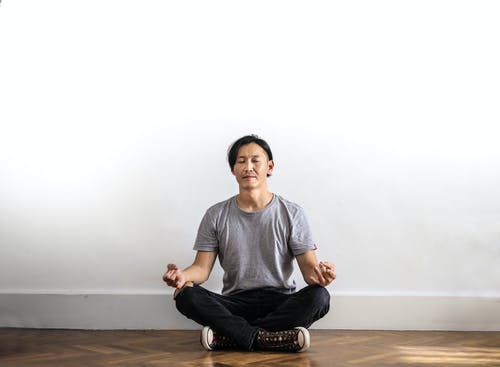
    It is such a hot topic right now but it is for good reason. You may consider practicing mindfulness meditation on your daily routine to help improve your mental focus. Through this meditation, you learn deep breathing exercise. It helps you in maintaining your mind to stay peaceful and calm. When you are at that state of mind, your focus will be at the best potential. In one study, it was found that people who practice mindfulness meditation were able to stay longer on their tasks. It made them stay focused on one task without switching between tasks too frequently. There was also progress to their performance and their productivity was significantly increased.