
Category: Home Improvement

  • Selecting the Ideal Wall Color for Your Home Improvement

    Selecting the Ideal Wall Color for Your Home Improvement

    When it comes to home improvement, selecting the perfect wall color can make a remarkable difference in transforming a space from mundane to magnificent. The color of your walls sets the tone, creates an atmosphere, and enhances the overall aesthetic appeal of your home. In this article, we’ll explore the art of choosing the ideal wall color, considering factors such as ambiance, personal style, and current design trends.

    Setting the Mood: The Power of Colors

    Colors have the remarkable ability to evoke specific emotions and set the desired mood in a room. Warm tones like reds, oranges, and yellows can create a cozy and inviting ambiance, perfect for living rooms and bedrooms. Cool shades like blues and greens promote calmness and relaxation, making them ideal for bathrooms and study areas. Understanding the psychological impact of colors can help you choose the right hues to achieve the desired atmosphere in each room.
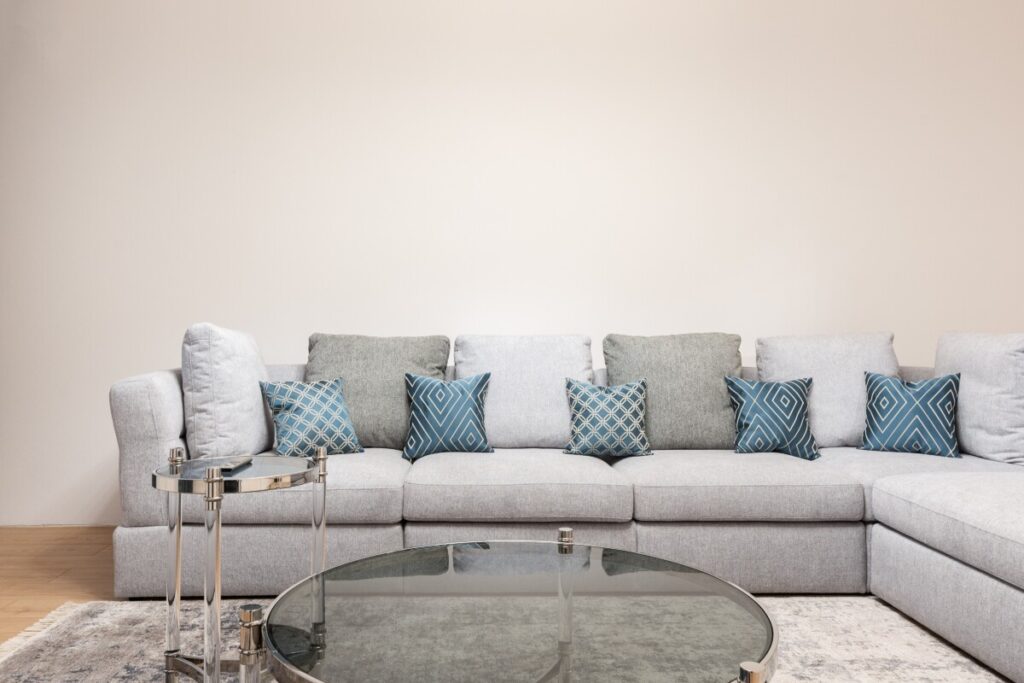
    living room color

    Harmonizing with Existing Décor

    When selecting a wall color, it’s essential to consider your existing décor and furnishings. The wall color should complement the style and aesthetic of your furniture, artwork, and accessories. For instance, if you have a minimalist and contemporary design scheme, neutral and muted tones like whites, grays, and beiges can provide a clean backdrop. If your décor is more eclectic, bolder colors can add vibrancy and personality to the space.

    Reflecting Personal Style

    Your home is a reflection of your personality and style, and the wall color should align with your preferences. Are you drawn to vibrant and energetic shades, or do you prefer softer and more understated tones? Consider your personal style and how you want your space to reflect your individuality. Experiment with different color palettes that resonate with you and create an environment that truly feels like home.

    living room color

    Embracing Design Trends

    Staying updated with current design trends can inspire and help you make informed color choices. Explore design magazines, websites, and social media platforms to discover the latest trends in wall colors. From timeless classics to bold and unconventional palettes, design trends can offer fresh ideas and innovative combinations that enhance the visual appeal of your home.


    Read more article :

    Advantages of Sustainable Construction and Energy Efficient Concrete Villa

    5 Tips To Make Your Stay At A Campsite Eco-Friendly


    Natural Light and Room Size

    Consider each room’s natural light and size when choosing a wall color. Natural light can greatly influence how colors appear in a space. Rooms with abundant natural light can handle bolder and darker shades, while rooms with limited light may benefit from lighter and softer colors to create a sense of openness. Similarly, lighter colors can make small rooms appear larger, while darker colors create a more intimate and cozy feel.

    Testing and Sampling

    Before committing to a specific wall color, testing and sample different shades is crucial. Paint small patches on your walls and observe how they look at different times of the day under various lighting conditions. Notice how the color interacts with your furniture, flooring, and décor. Testing will help you make an informed decision and ensure that the chosen color complements your space perfectly.

    In conclusion, selecting the ideal wall color is a vital aspect of home improvement, as it can truly transform the ambiance and style of your space. By considering factors such as mood, existing décor, personal style, design trends, natural light, and room size, you can choose a wall color that elevates your home and creates an atmosphere that resonates with your lifestyle and preferences.
  • Eco-Friendly Construction, The Benefit & What Should Pay Attention

    It is estimated that we will reach our peak capacity for oil consumption as a planet within the next 20 years. As global oil production declines, demand continues to rise, and this is no different in the construction industry. Currently, many tourist areas such as Bali have implemented an eco-friendly construction system to be implemented in the construction of resorts, hotels, or villas. There are numerous reasons for developers and construction companies in Bali to adopt sustainable values, the first of which ensures sustainability and longevity. 

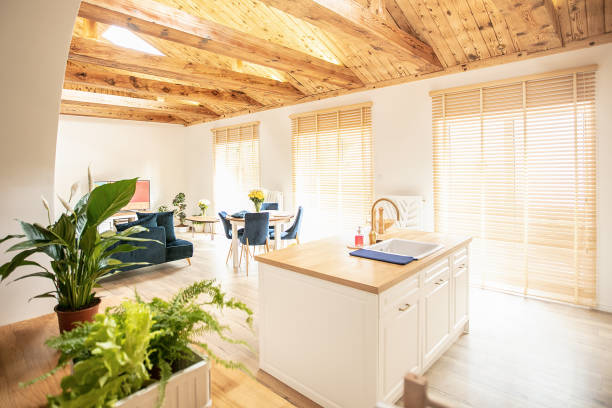
    Beautiful cozy living room with light island kitchen, bamboo blinds and high wooden ceiling. - eco-friendly construction

    What is eco-friendly construction?

    The term eco-friendly construction refers to the construction of a structure that is both beneficial to the environment and resource-efficient. This type of construction, also known as green building, is efficient in its use of local and renewable materials, as well as in the energy required to build it and the energy generated while inside it.

    Eco-friendly construction arose in response to the realization that buildings frequently have a negative impact on our environment and natural resources.

    What are the benefits of ecological construction?

    Bali is focusing on the construction industry in its efforts to reduce pollution. They also regulate materials and heavy machinery, requiring builders to use eco-friendly construction equipment. Professionals who use sustainable building practices reap significant benefits. What are the ecological construction advantages?

    Reduced Greenhouse Gas Emissions

    One of the most noticeable benefits of using eco-friendly construction practices is that it reduces the carbon footprint. Building construction and operation account for 39% of global greenhouse gas emissions. Structures that are less sustainable have lower real estate values and higher maintenance costs.

    Reduced emissions from residential and commercial buildings also reduce the negative health effects associated with air pollution. Breathing in this air raises the risk of cancer, stroke, heart attack, and other health problems for construction workers and residents. It also increases the risk of asthma attacks, chest pain, and shortness of breath.

    Eco-friendly construction: Saving Money on Utility Bills

    Using efficiency-enhancing systems to reduce greenhouse gas emissions has financial benefits as well. By hiring a builder to install smart appliances, homeowners can reduce their monthly utility costs. Smart thermostats, for example, significantly reduce a building’s reliance on fossil-fuel-derived electricity. To access real-time weather forecasts, the technology requires a Wi-Fi connection.

    Home improvement professionals can also reduce utility costs by combining energy-efficient appliances with renewable energy sources. Individuals who reduce their reliance on the traditional energy grid significantly reduce their utility costs.

    Improving Conservation of Natural Resources

    Natural resource conservation is another advantage of eco-friendly construction. Deconstruction can help home improvement professionals reduce material waste and limit exploitation. To reduce landfill waste, the sustainable building practice carefully removes various building components for reuse.

    Meeting the Needs of Eco-Consumers

    Sustainable building enhancements may also benefit home improvement workers by attracting more customers. Almost 35% of consumers only buy sustainable goods and services. Eco-consumers account for a sizable portion of the construction clientele. Eco-friendly construction practices are being adopted by builders in order to increase their industry competitiveness.

    Project Profitability Enhancement

    The advantage of eco-friendly construction is that it increases the profitability of projects. Efficient systems allow builders to do more in less time and meet the needs of more clients. Sustainable materials also reduce material costs, increasing the profit of a construction professional over time.

    Minimizing waste production also reduces operational costs, improving project cost-efficiency. Increasing a construction company’s industry competitiveness also promotes consistent business. Having an advantage over competitors promotes financial stability.